A Special Experience Exploring the Craft and History of Hachioji Kuruma Ningyo
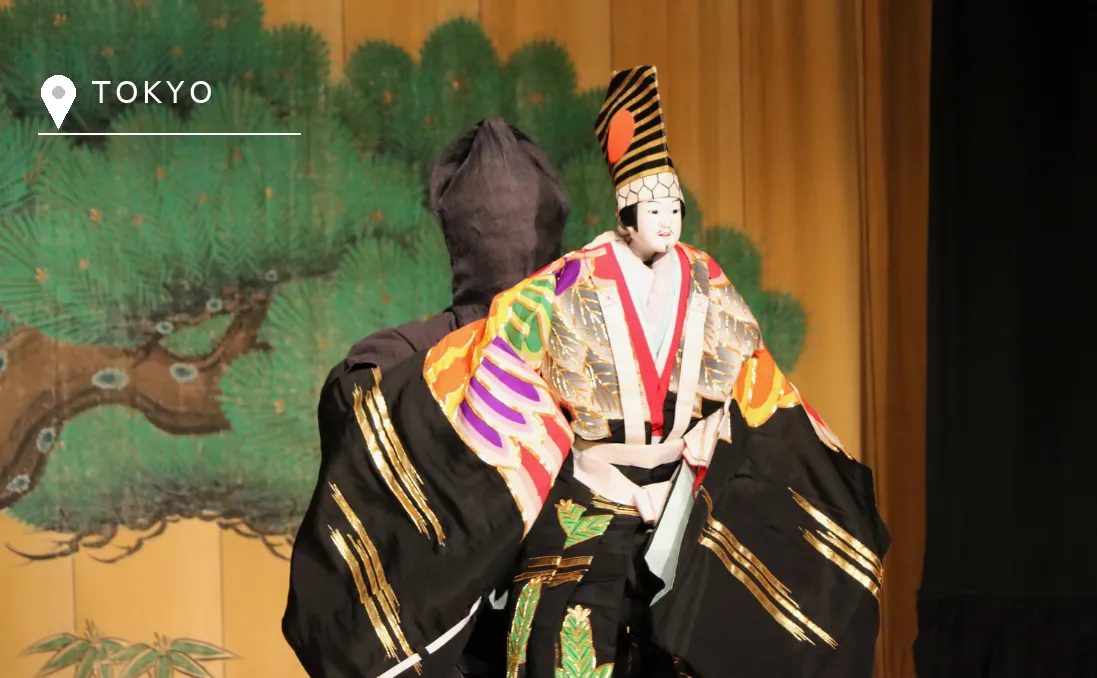
This immersive experience invites you into the world of Hachioji Kuruma Ningyo, a traditional puppet theater designated as an Important Intangible Folk Cultural Property.
With an English interpreter by your side, you can hear directly from the puppeteers and gain a deeper understanding of the history, techniques, and stories behind this unique performing art.
Begin by learning about the history of ningyō jōruri, a form of Japanese puppet theater that combines narration, music, and puppetry. You will then enjoy exclusive access to a storage area that is normally closed to the public, where you can see rare tools and puppet heads (called kashira) up close.
Next, take your seat in the front row for a live performance, where you can fully appreciate the artistry and expressive power of Kuruma Ningyo.
To conclude, step onto the stage yourself and try operating the puppets under expert guidance. This special program by Autabi is designed for both dedicated fans and first-time visitors alike.
Experience Highlights
- Go behind the scenes with exclusive access to a rarely seen puppet storage warehouse
- Watch a live performance from premium front-row seating
- Try your hand at operating a traditional puppet on stage
- Learn directly from master puppeteers preserving a centuries-old art
- Discover the history and craftsmanship behind Japanese puppet theater
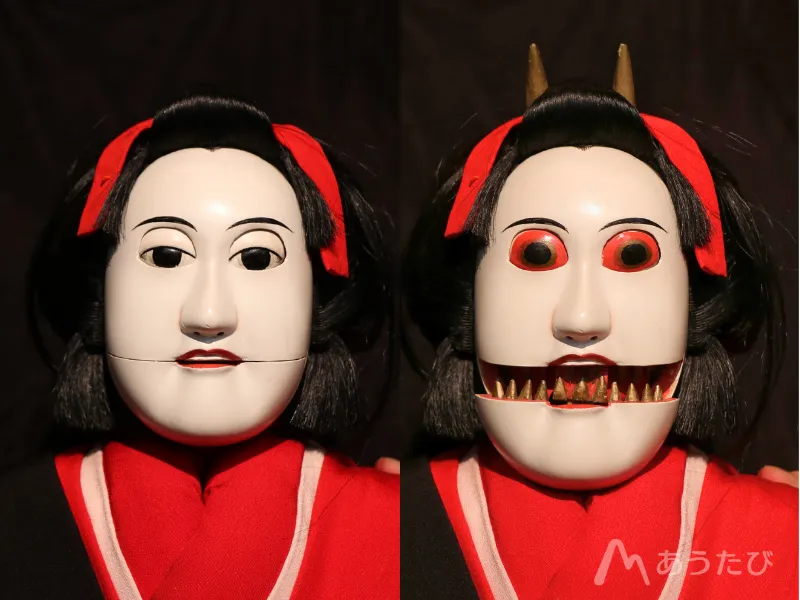
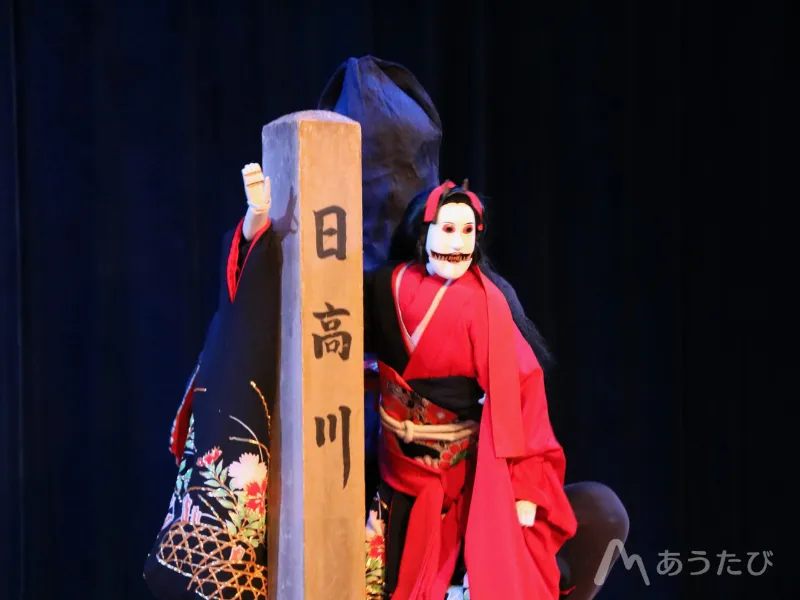
“Gabu” Character from Hidakagawa Iriai Zakura
The gabu is a type of puppet head used for supernatural roles such as spirits or shape-shifting creatures. At first, it appears as a beautiful woman, but with hidden mechanisms, the eyes suddenly spin and turn gold, the mouth stretches open to reveal sharp fangs, and golden horns emerge. This dramatic transformation is one of the highlights of traditional puppet theater.
Meet your Host
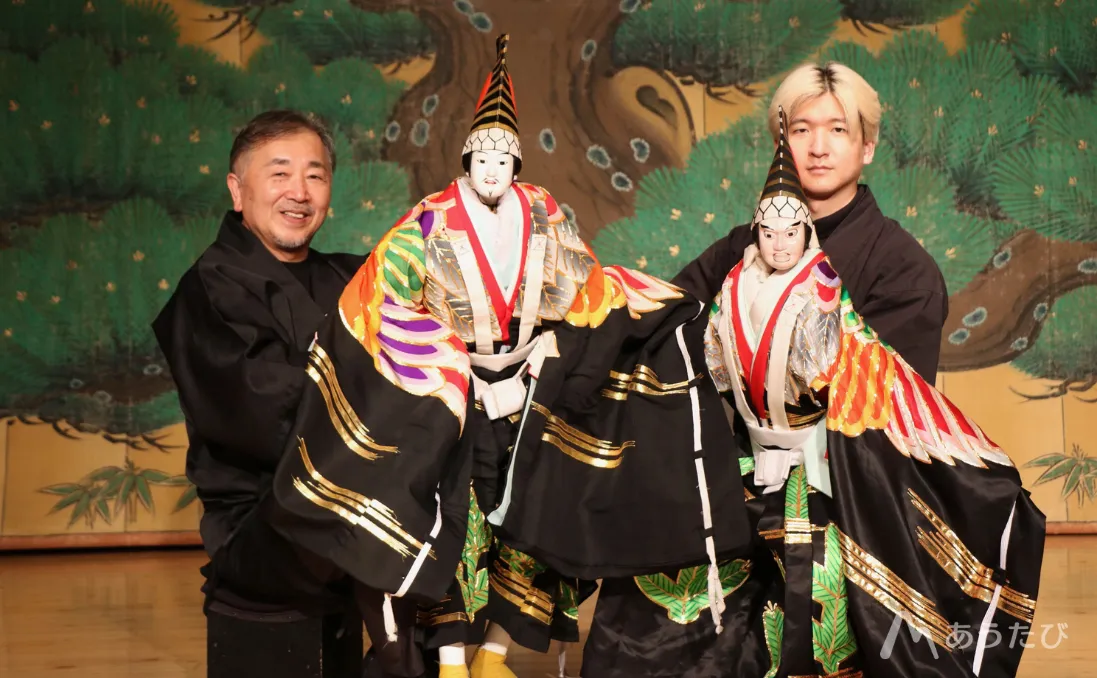
Koryu Nishikawa, 5th Generation Head Master, Hachioji Kuruma Ningyo
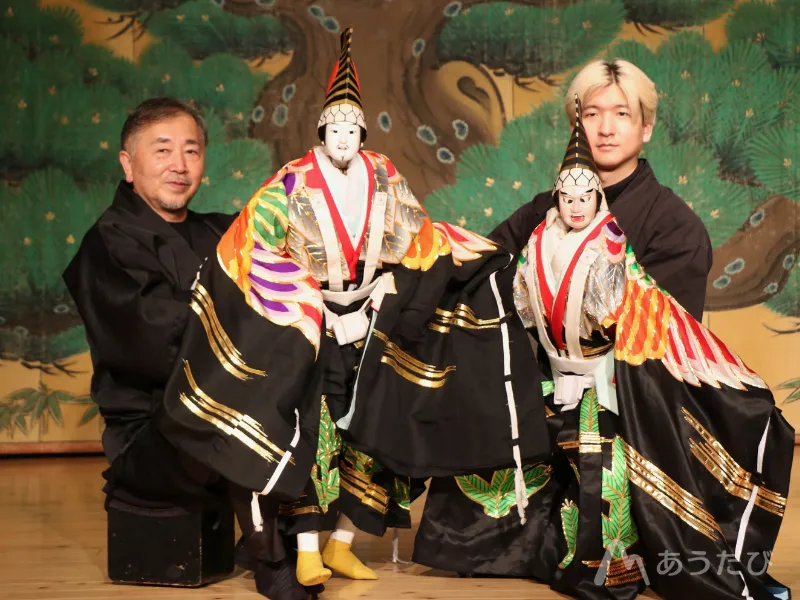
Born in 1953 into a family of puppet artisans, Koryu Nishikawa has been immersed in Kuruma Ningyo since childhood. He made his stage debut in junior high school and later trained in Bunraku, Japan’s most famous form of puppet theater.
After taking over as head master in 1996, he has continued to preserve the tradition while exploring new creative directions. His work has gained international attention, and he performed in five North American cities in 2023. In August 2024, he presented a Japan–U.S. collaborative contemporary puppet production.
Ryuji Nishikawa
Born in 1996, Ryuji is a rising performer in the Kuruma Ningyo tradition and Koryu’s son.
He entered the world of puppetry at age 20 and took the name Ryuji Nishikawa in 2018. While continuing his training under his father, he has also embraced modern platforms, launching a YouTube channel and using social media to introduce this traditional art in an accessible way. Since 2023, he has been leading regular performances focused on younger performers, helping to expand the art form’s audience.
The History of Hachioji Kuruma Ningyo
During the Edo period, ningyō jōruri (puppet theater) was typically performed using sannin-zukai, a technique in which three puppeteers operate a single puppet.
However, as new forms of entertainment arrived from overseas in the late Edo period, the popularity of style began to decline.
In 1825, Ryukichi Yamagishi (later known as the first Koryu Nishikawa), born in present-day Hanno City in Saitama, developed a new approach. He created a style in which a single puppeteer sits on a small wheeled cart (rokuro-guruma) and operates the puppet alone.
This innovation spread throughout the Tama region and across eastern Japan.
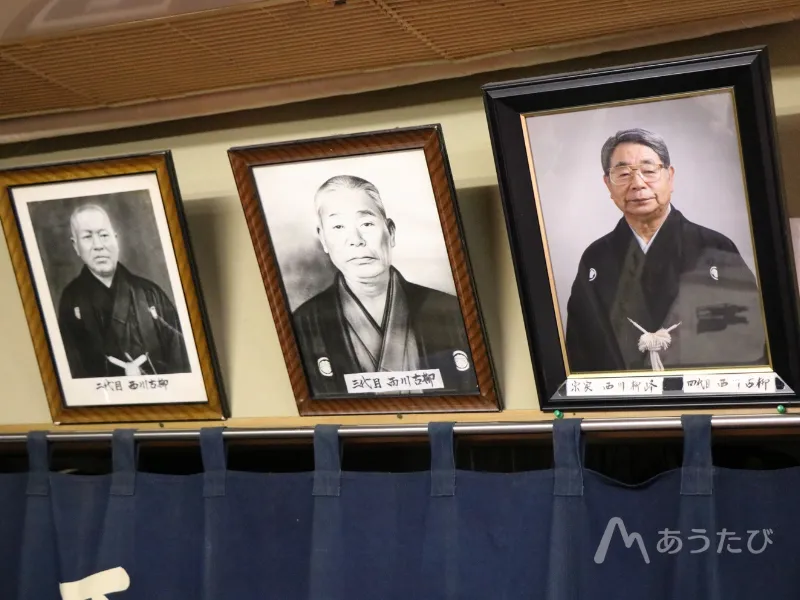
Since being introduced to Hachioji in the Meiji era, the tradition has been preserved by the Koryu Nishikawa troupe and embraced by locals, especially those connected to the city’s historic silk and textile industries.
Hachioji Kuruma Ningyo performances feature traditional narrative styles such as sekkyō jōruri and gidayū-bushi, while also collaborating with contemporary artists. Since a performance in Moscow in 1976, the troupe has actively presented both classical and modern works overseas.
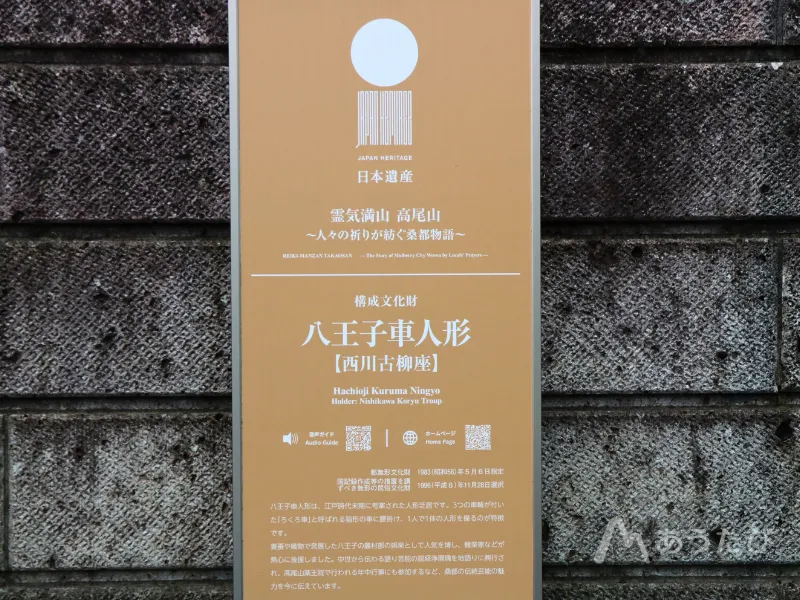
Puppet Heads (Kashira) and Costumes
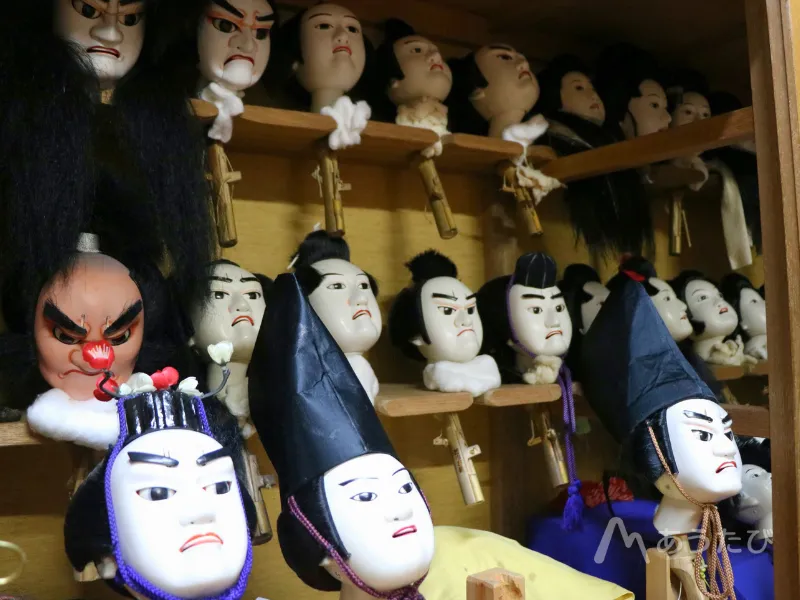
The Nishikawa troupe carefully preserves more than 120 puppet heads, known as kashira. Each one is intricately handcrafted. Artisans carve the face from Japanese cypress (hinoki), split it into two halves, and install delicate internal mechanisms. The surface is finished with multiple layers of gofun (a white pigment made from shell powder) and nikawa (a natural glue). Real human hair is used to create lifelike expressions.
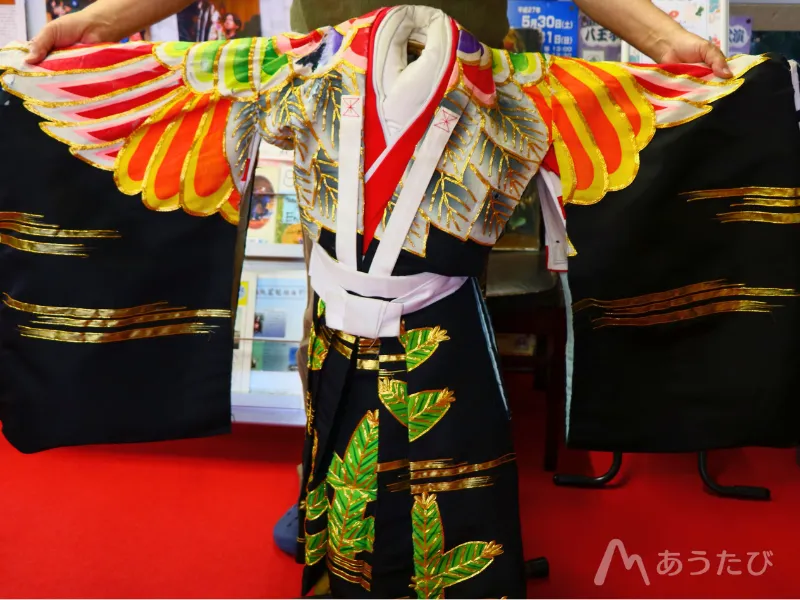
Learn the History and Explore the Archive
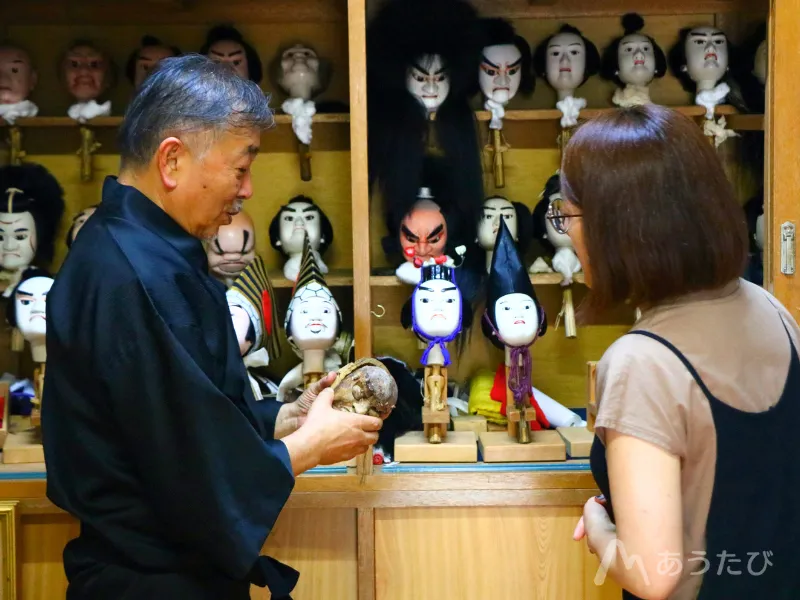
Japan is often described as a treasure trove of puppet theater. This art form has long been deeply connected to daily life and culture, and today there are said to be around 130 puppet troupes across the country.
While Bunraku is the most famous example, each region has developed its own unique techniques. In the Tohoku region, puppets are typically operated by a single performer (te-zukai), while in Fukushima and Nagano, the three-person style remains common. Awaji Island and Tokushima are especially renowned centers of puppet theater.
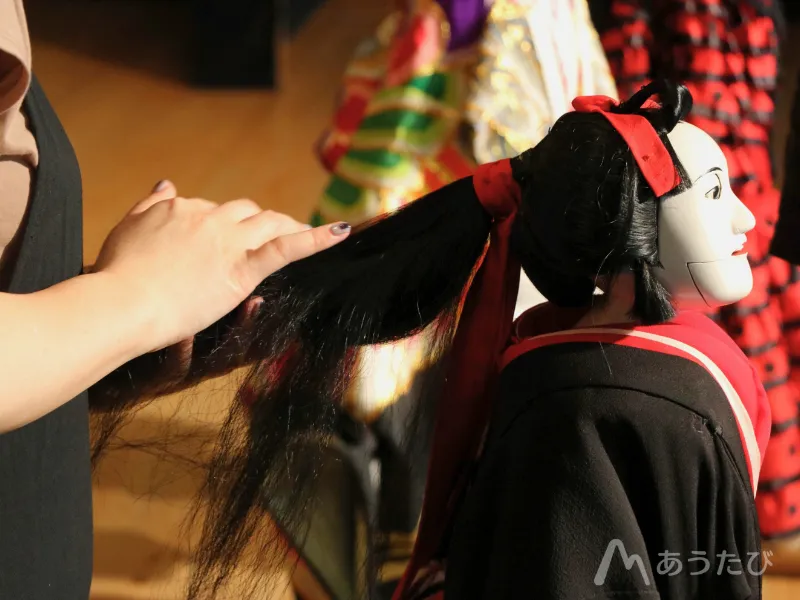
Some of the puppets even use human hair dating back to the Edo period. After an in-depth introduction, you will be guided into a special storage warehouse where historic puppet heads, as well as hands and feet components, have been carefully preserved for generations.
Watch from the Front Row
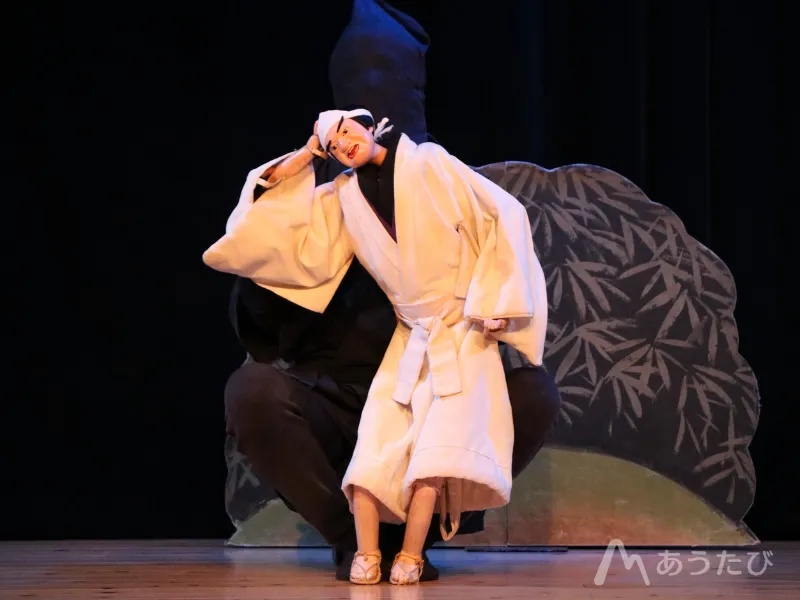
The Nishikawa Koryu troupe holds regular monthly performances, often featuring younger performers who are shaping the future of this tradition. In recent years, a new generation of puppeteers has emerged, bringing fresh energy to the stage. Their growth is helping to revitalize Hachioji’s cultural scene and ensure the continued evolution of Kuruma Ningyo.
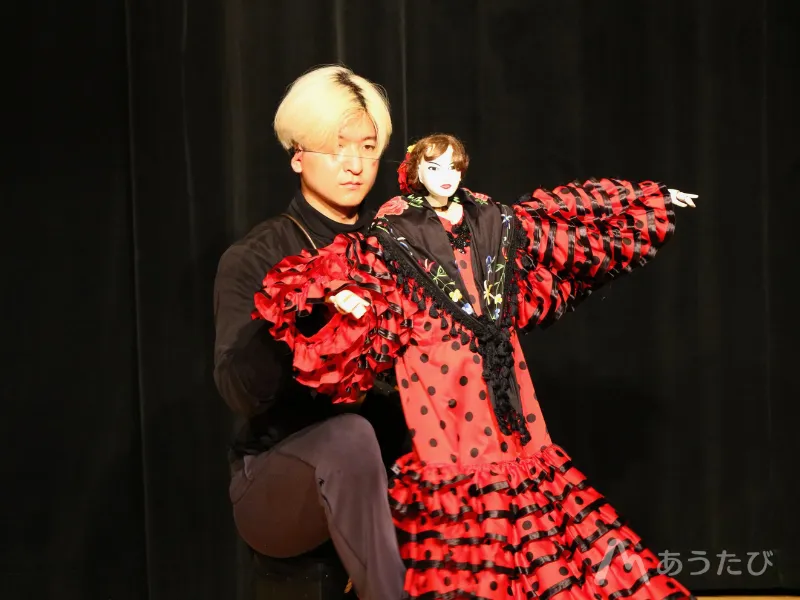
A recently developed style called Shin Kuruma Ningyo allows the puppeteer to control both arms independently, in addition to the expressive leg movements traditionally enabled by the wheeled cart. This innovation enables faster, more rhythmic movements involving the head, hands, and feet. It has attracted international attention, including from the stage director of the globally renowned musical The Lion King, who visited Hachioji for research. The technique has since been incorporated into the production.
Try Your Hand at Puppeteering
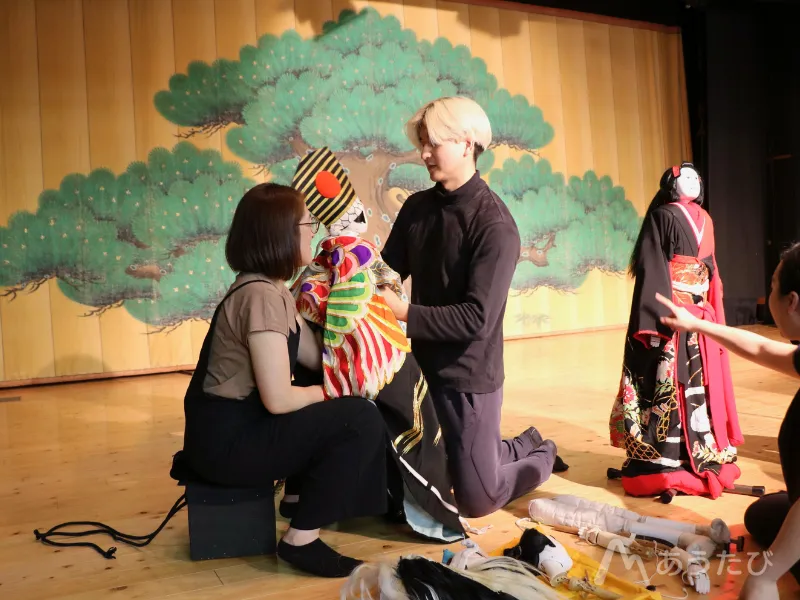
After the performance, Autabi participants are invited to take part in a special hands-on experience. Step onto the stage and learn how to operate a Kuruma Ningyo puppet. You will practice creating facial expressions, moving the arms, and controlling the unique wheeled base (rokuro-guruma).
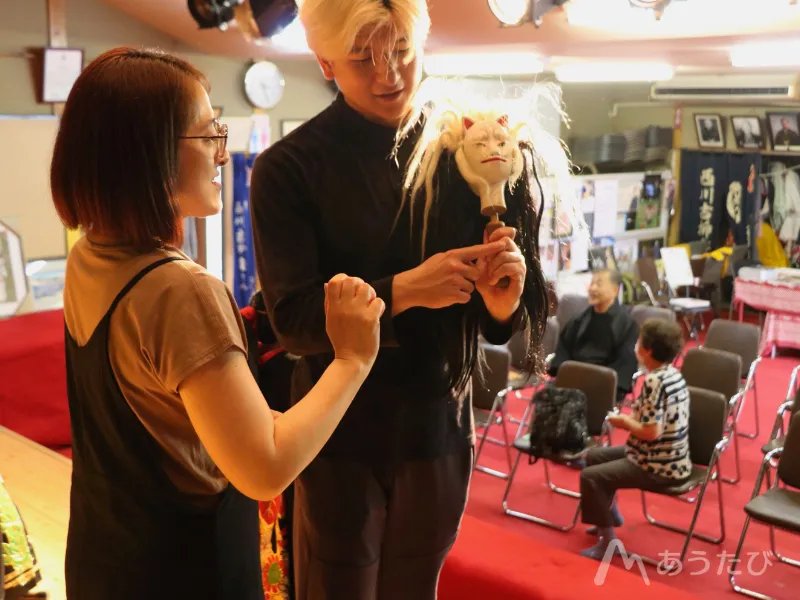
Kuruma Ningyo is defined by its single-operator technique, where one performer controls the entire puppet. Through this experience, you will gain a deeper appreciation for both the skill and complexity involved. This rare opportunity offers a deeper understanding of one of Japan’s most distinctive traditional performing arts.
“Japan is home to many forms of puppet theater, including Kuruma Ningyo, hand-operated puppets, rod puppets, string puppets, shadow puppetry, and mechanical karakuri dolls. Each is highly artistic in its own way, and I hope you will experience even a small part of that richness.”
— Koryu Nishikawa “We hope more people will discover this traditional art of Hachioji and enjoy both its charm and the challenge of puppeteering through a hands-on experience.”
— Ryuji Nishikawa
Meet the Team
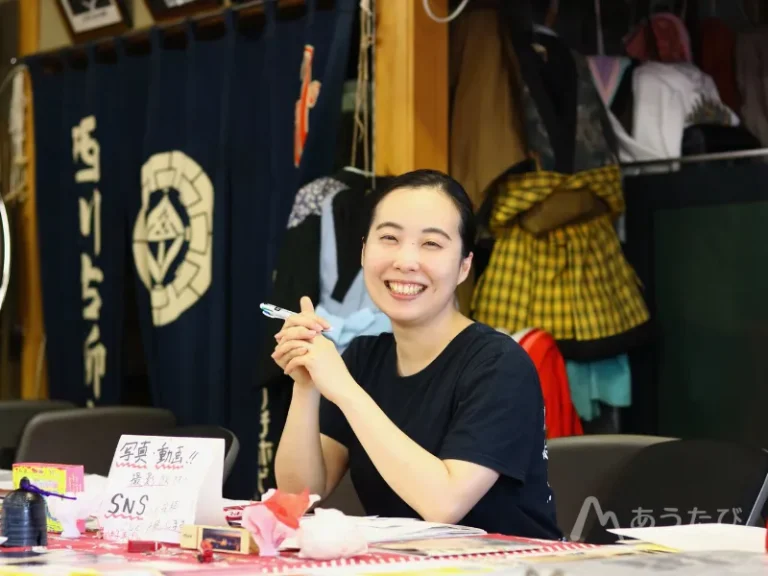
When you visit the Koryu Nishikawa troupe, you will first be welcomed by Ms. Watanabe, who manages reception. She will guide you through the venue and explain details such as the ohineri experience, a traditional way of offering tips or appreciation to performers.
Language Support
This experience is hosted in Japanese by the local puppeteers.
A professional English-speaking interpreter accompanies the experience, allowing you to communicate directly with the puppeteers and gain a deeper understanding of their stories, techniques, and traditions.
Schedule
| Time | Details |
|---|---|
| 10:30/13:30 | Meet at Nishikawa Koryu Theatre • Orientation • Introduction to the history of ningyō jōruri (traditional puppet theater) • Exclusive tour of the storage area, including puppet heads (kashira) Duration: Approx. 30 minutes Please note: The regular tour includes approximately 30 minutes for general admission guests to arrive and enter the theatre before the performance begins. |
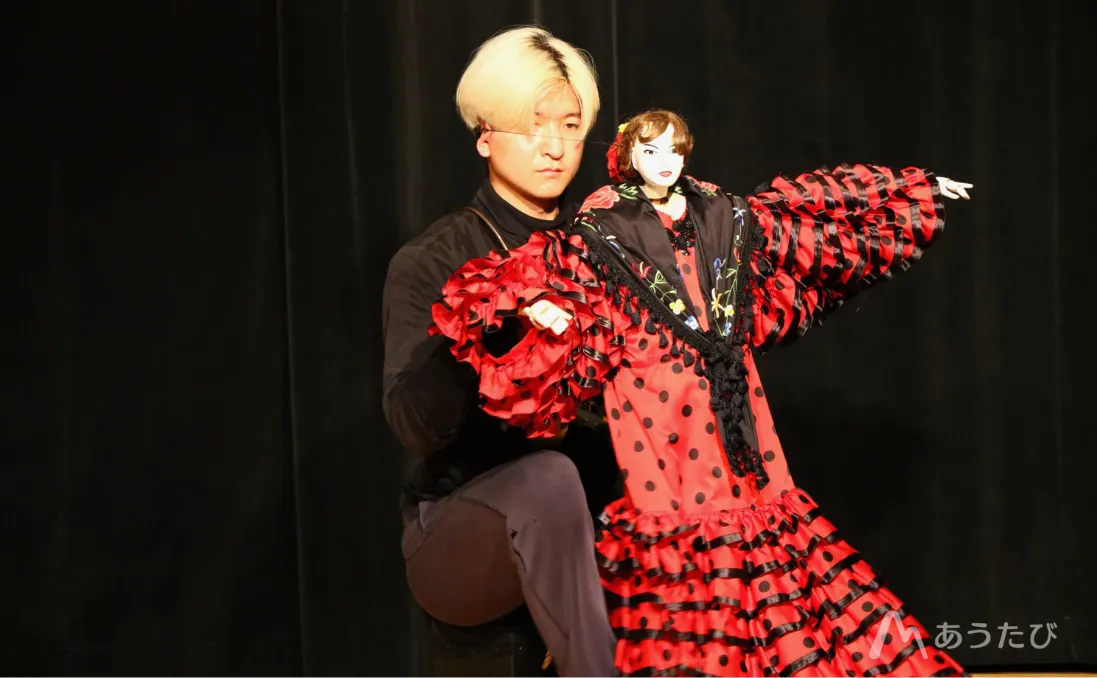
| 11:30/14:30 | Watch a Hachioji Kuruma Ningyo Performance Enjoy the show from specially reserved front-row seats. Featured pieces may include: • Sanbaso • Hidakagawa Iriai Zakura • Tōkaidōchū Hizakurige • Western-style dance performances Additional performances may be included and will be announced on the day. |
| 12:15/15:15 | Get Up Close with the Puppets • Photo opportunities and hands-on interaction |
| 12:30/15:30 | Hands-On Puppeteering Experience • Try riding the rokuro-guruma (a small wheeled cart used by puppeteers) • Practice controlling facial expressions and moving the puppet’s arms and legs |
| 13:00/16:00 | Experience ends |
Please note: The schedule and order of activities may change depending on the day.
Travel Details (Terms & Conditions)
| Availability | Held on regular performance days Morning session: 10:30 AM Afternoon session: 1:30 PM |
|---|---|
| Price | ¥15,000 per person |
| Included | • Experience fee • Facility usage fee • Performance ticket • English-speaking interpretation support |
| Location | Hachioji Kuruma Ningyo Nishikawa Koryuza 1566 Shimo-Ongatamachi, Hachioji City, Tokyo 192-0154 |
| Access | • About 5 minutes by car from Hachioji Nishi IC (Ken-O Expressway) Free parking available (10 spaces) • About 10 minutes by bus from JR/Keio Takao Station, then a 10-minute walk from Kawarajuku Ohashi stop |
| Minimum Participants | Minimum: 2 guest Maximum: 8 guests |
| Clothing | Please wear socks during the experience Trousters are recommended for female participants for ease of movement |
| What to Bring | No special items required |
| Cancellation Policy | 14 days before the experience: 20% of the total fee 7 days before the experience: 50% of the total fee Same-day cancellation or no-show: 100% of the total fee |
| Booking Deadline | Reservations close 3 days before the participation date |
| Payment Methods | Credit card (VISA, MasterCard) Detailed payment instructions will be sent by email after your reservation is confirmed. |
| Additional Notes | On the day of your experience, your guide will be either Koryu Nishikawa or Ryuji Nishikawa |
| Language Support | Most of the experience is hosted in Japanese. A professional English-speaking interpreter accompanies the experience to support communication while allowing conversations with the puppeteers to remain natural and authentic. |
Meet the Puppeteers
Want to learn more about the artists behind this tradition?
Discover the stories of the Nishikawa family and their generations of Kuruma Ningyo puppetry.