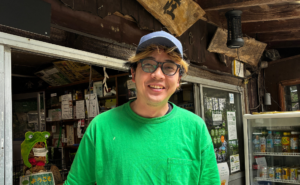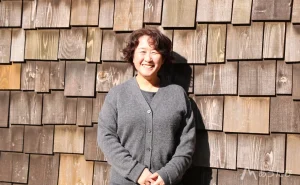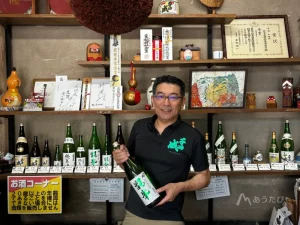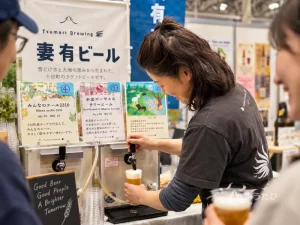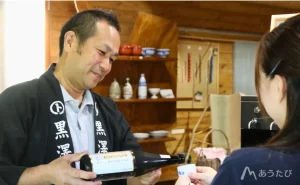
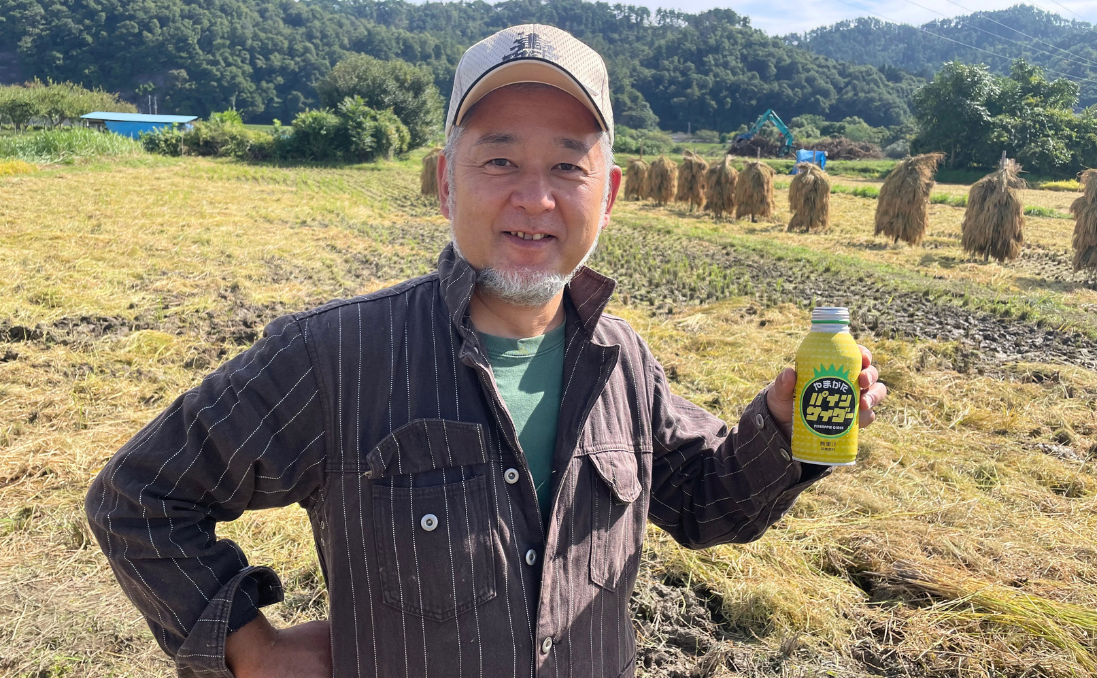
Daisuke Suzuki, President of Suzuki Shuzoten
He lost everything in the 2011 tsunami.
His brewery, his home, and his hometown.
Yet today, Daisuke Suzuki continues to brew sake between two places he calls home.
At first glance, Daisuke Suzuki may seem a bit intimidating.
But once you start talking with him, you quickly discover a warm, approachable, and deeply kind person.
He is the kind of man who follows through on his words.
He values loyalty, relationships, and doing what he says he will do.
And when sake is involved, his serious demeanor transforms.
He becomes cheerful, lively, and full of laughter.
Outside of brewing, he enjoys spending time in nature, whether it’s mountain biking through forest trails or fishing in mountain streams.
These moments close to nature help him reset and find balance.
Born into a Brewery by the Sea
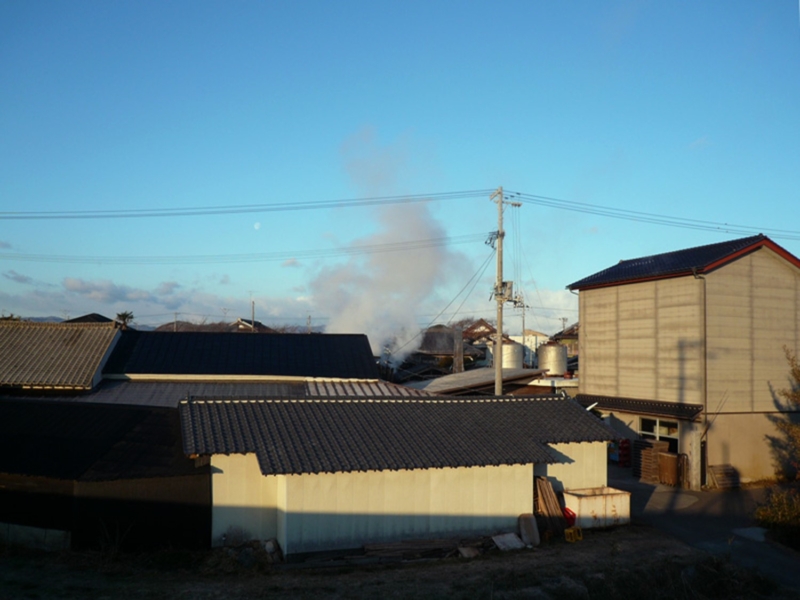
In Ukedo, a coastal district of Namie Town in Fukushima, there once stood a sake brewery known as
“the brewery closest to the sea in Japan.”
Suzuki Shuzoten had been producing sake since the Edo period, serving the local fishing community for generations.
Their signature sake, Iwaki Kotobuki, was deeply rooted in daily life.
On days of a good catch, fishermen would always celebrate with this sake.
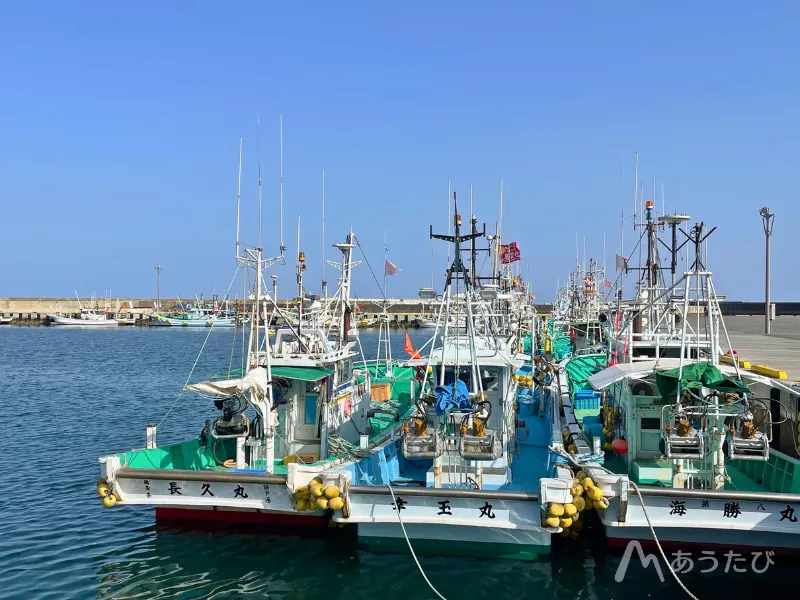
Growing up as the heir to this brewery, Daisuke was surrounded by sake from an early age.
He recalls helping with brewing as a child—though not always willingly.
But one moment stayed with him.
When he compared his father’s carefully crafted sake with others, he realized:
“Ours is just as good—if not better.”
That realization became the turning point that led him to eventually take over the family business.
The Earthquake and Loss
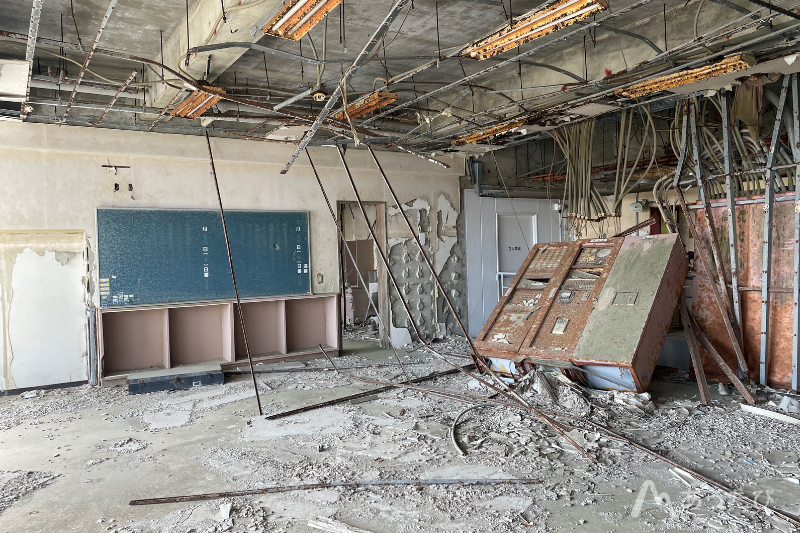
On March 11, 2011, the Great East Japan Earthquake struck.
A massive tsunami swept through Ukedo, washing away both the brewery and Daisuke’s home.
Then came the nuclear accident.
The government designated Namie as a restricted zone, and his family had to evacuate.
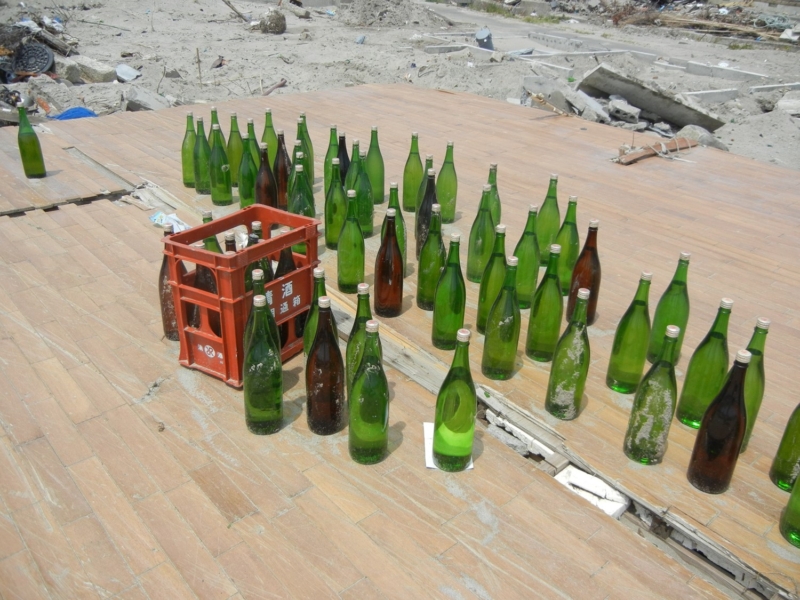
As a member of the local fire brigade, Daisuke worked tirelessly to guide residents to safety.
In the aftermath, he lost many people he knew—friends, neighbors, and contracted farmers.
The loss was overwhelming.
As a result, restarting sake brewing felt impossible.
But one day, in an evacuation shelter, people from his hometown said to him:
“We want to drink your sake again.”
Without hesitation, he replied:
“I will make it.”
That promise became his turning point—and his personal vow.
Rebuilding in Yamagata
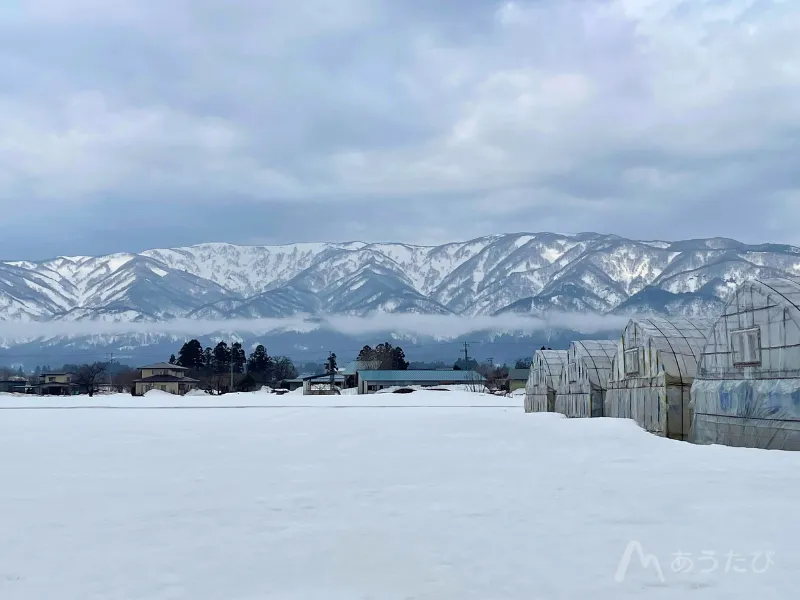
Daisuke and his family evacuated to Nagai City in Yamagata Prefecture.
Life in an unfamiliar place was not easy.
At the same time, the emotional weight remained heavy.
Then, something remarkable happened.
The brewery’s original yeast thought to have been lost in the tsunami had actually been preserved.
This discovery made it possible to restart sake brewing in Nagai.
A New Chapter in a New Land
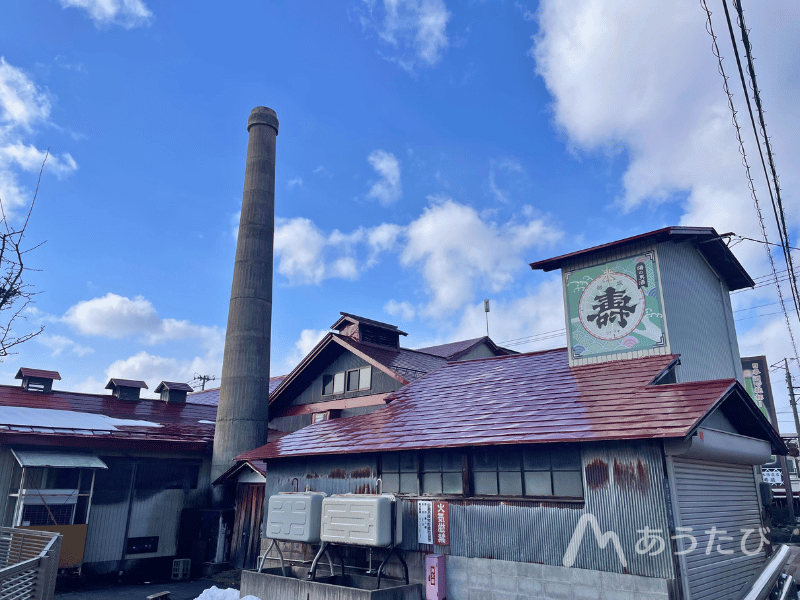
Just six months after the disaster, Daisuke resumed brewing by acquiring a brewery in Yamagata.
Gradually, his sake was embraced by the local community,and it came to be loved as “Nagai’s sake” as well.
In March 2018, he released a limited sake called “Landmark,” made using rice grown in Namie.
It was a special bottle expressing both his connection to his lost hometown and his gratitude to his new one.
Through this experience, Daisuke expanded his craft.
The rice, water, and climate in Yamagata were different from Namie.
By learning how to adapt, his brewing evolved.
As he reflects:
“What I lost was immense. But what I gained here is also real.”
“Yomigaeru” — A Sake Connecting People
In Nagai, there is a unique initiative called the Rainbow Plan,
which turns household food waste into compost to support sustainable agriculture.
Through this system, evacuees from Fukushima and local residents began to connect,
forming new relationships and community ties.
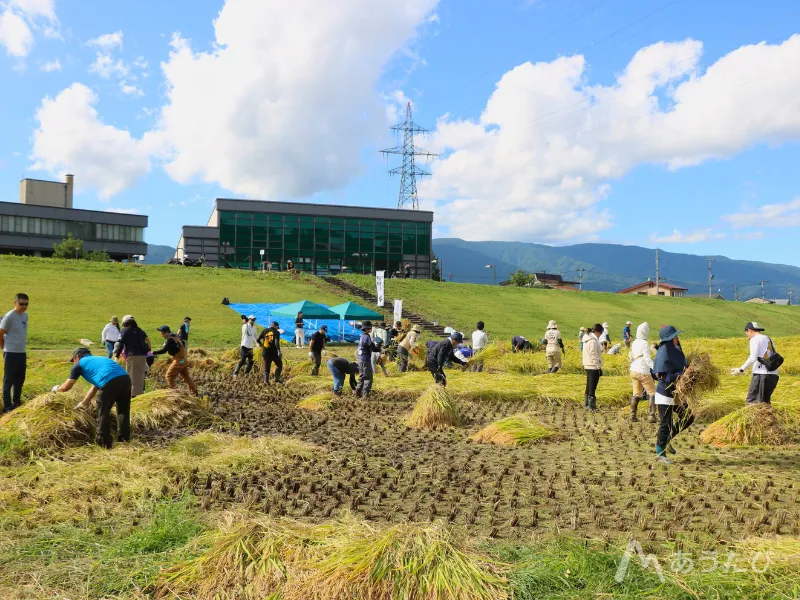
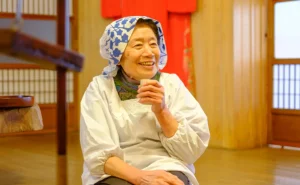
After the disaster, up to 600 evacuees lived in Nagai.
Life in an unfamiliar place often led to isolation.
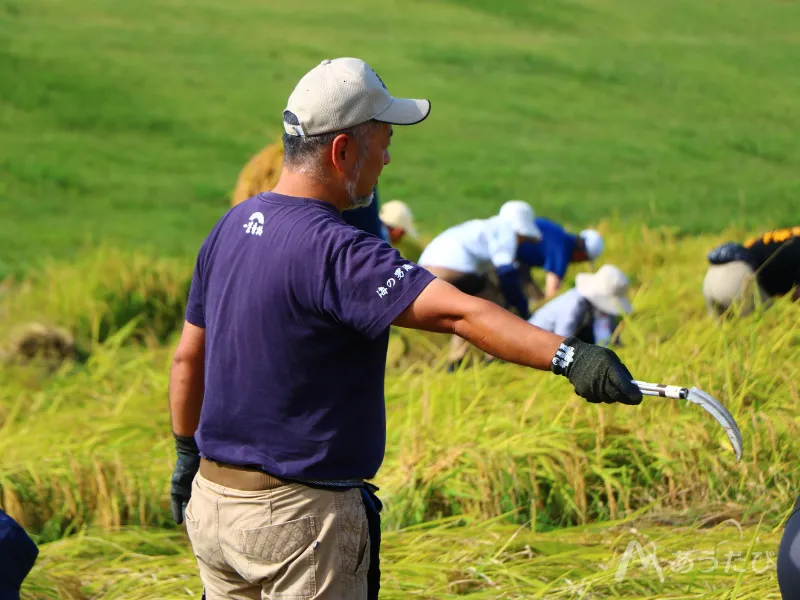
In 2012, a project called “Fukkō Farm” (Reconstruction Farm) was established along the Mogami River.
Evacuees and local residents began growing rice together.
Eventually, a request reached Daisuke:
“Please make sake using the rice we grew.”
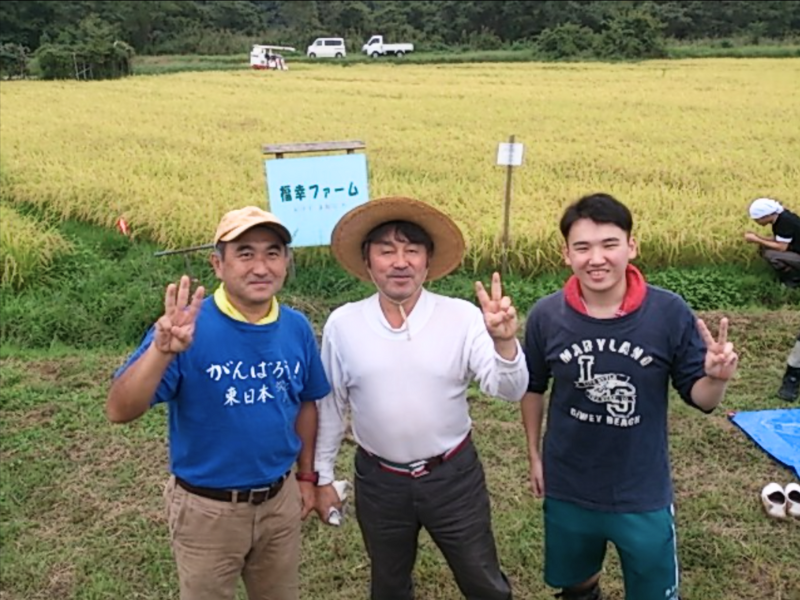
The rice chosen was Sawanohana, a traditional Yamagata variety once used in sake brewing but nearly forgotten due to its low yield and difficulty to cultivate.
In the winter of 2012, sake made from this “phantom rice” was born: “Yomigaeru”
The name represents both the revival of the rice and the recovery from disaster.
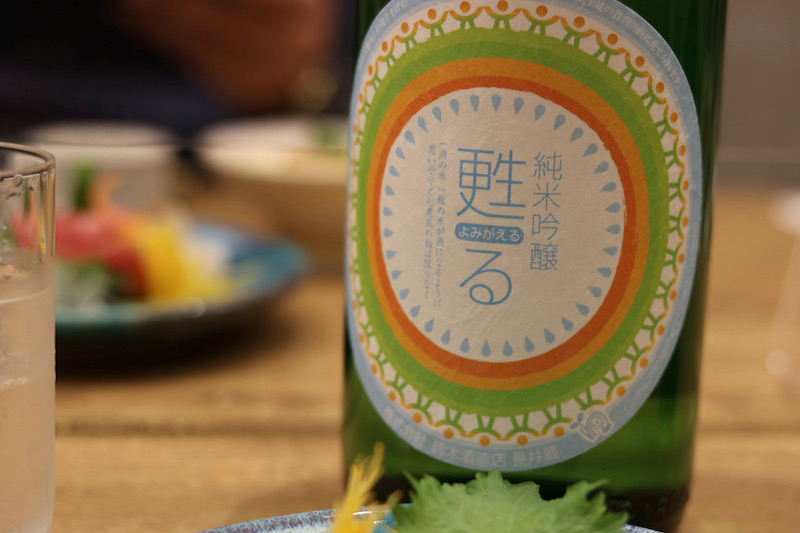
The character “甦 (yomigaeru)” means “to live again.”
Daisuke put this message into the sake: To live fully—for those who lost their lives.
Every year on March 11, this sake is released as a symbol of remembrance, hope, and connection.
Returning Home — “Tadaima”
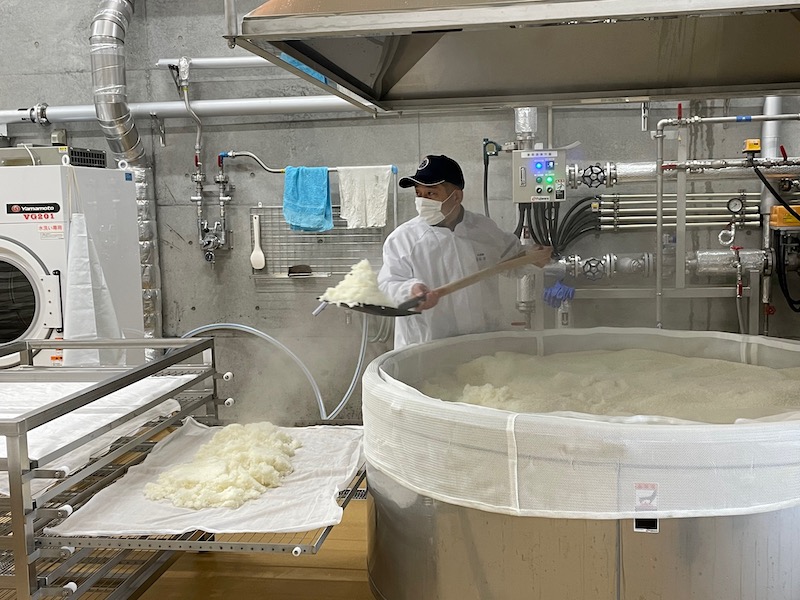
In 2021, ten years after the disaster, Daisuke finally resumed brewing in his hometown of Namie.
The journey to rebuild was long and difficult.
But step by step, with the support of many people, his efforts finally took shape.
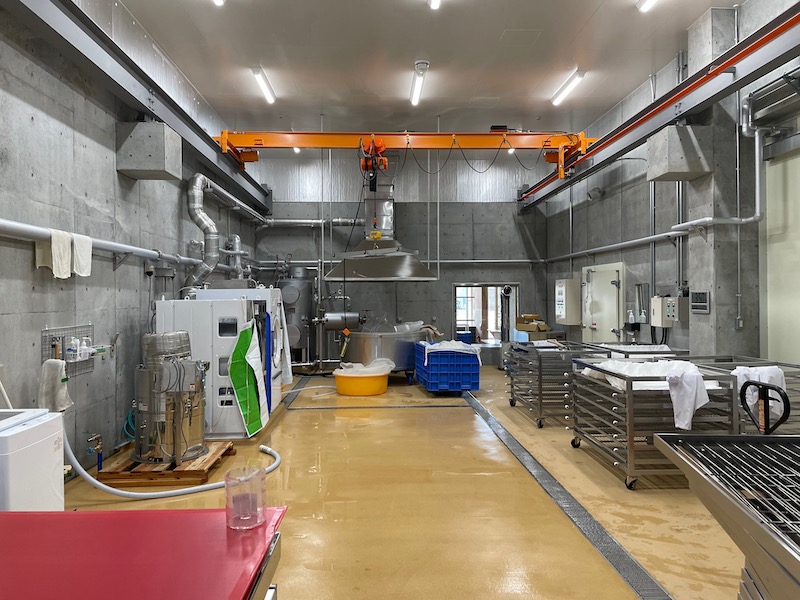
The first sake brewed in Namie was named: “Tadaima” — “I’m home.”
This single word carries deep meaning:
- Joy of returning
- Gratitude to those who supported him
- Determination to begin again
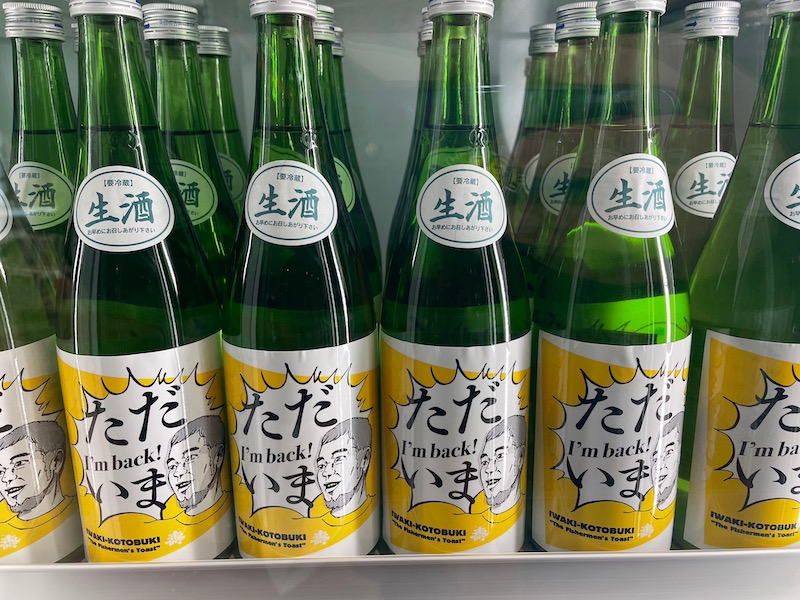
When he brought the finished sake back to the people of the town,
they welcomed him with words like:
“Welcome back.”
“Iwaki Kotobuki has returned.”
Some people were moved to tears.
With a single sip, memories of the past came flooding back the daily life of a fishing town, once thought lost.
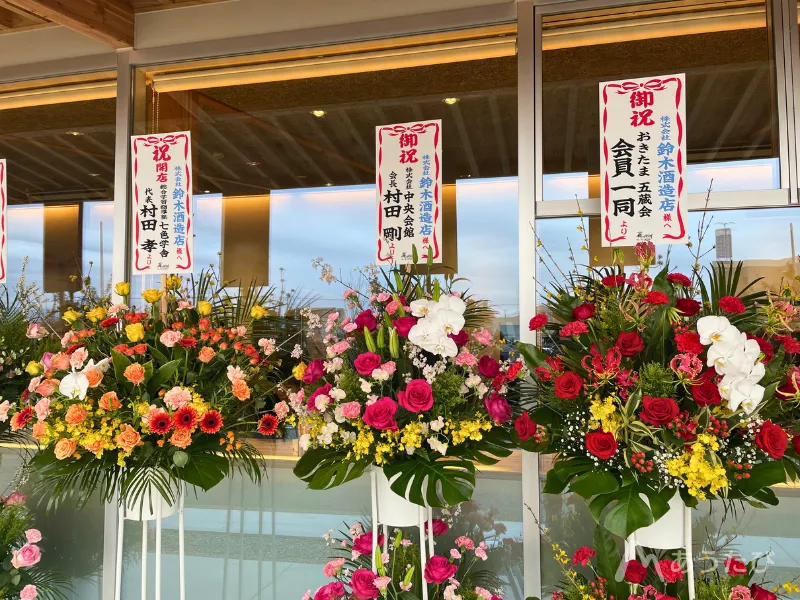
That sake became more than just a product.
It became a symbol of Namie’s recovery and pride.
Looking Ahead-Sake that Connects People Place
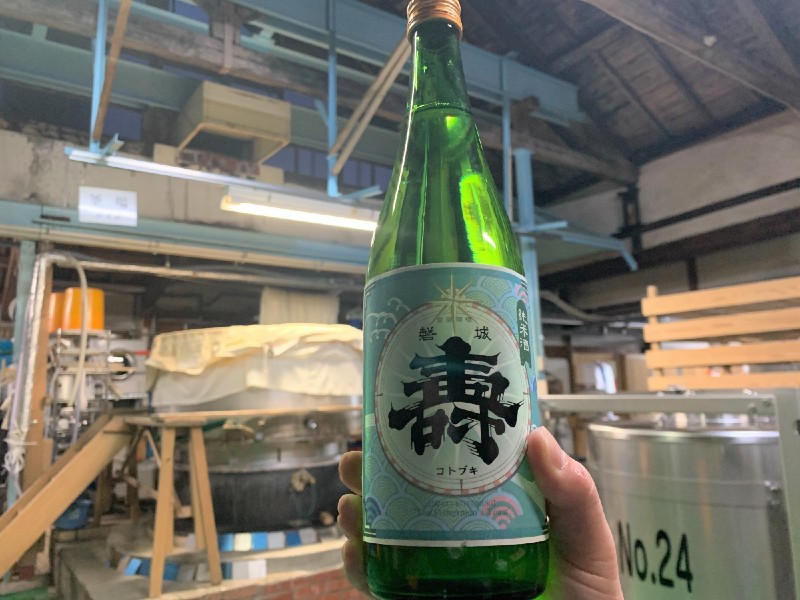
Daisuke continues to brew Iwaki Kotobuki, carrying both the history of a coastal town and the memory of the disaster into the future.
He says:
“Sake is something people enjoy, but it can also support people.
I want to make sake that stands beside people’s smiles and memories.”
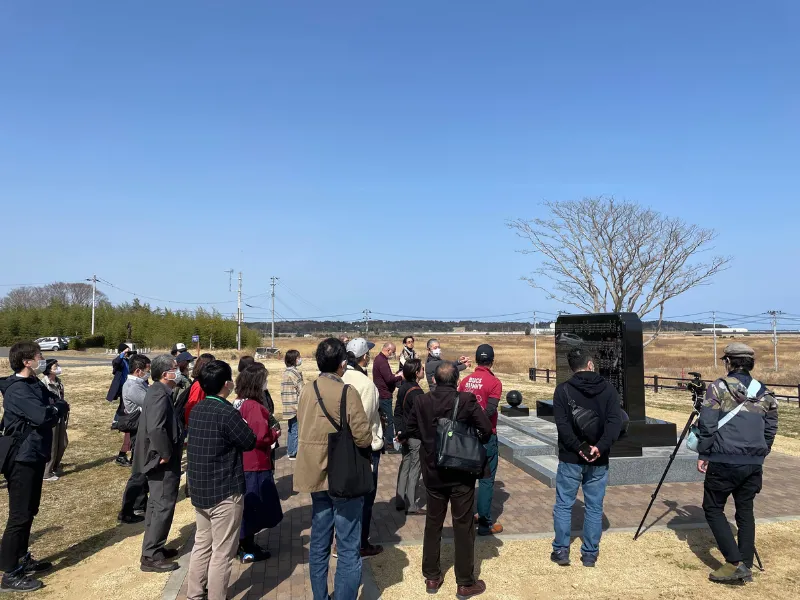
Beyond brewing, he is also deeply involved in community initiatives.
- Hosting tours in Namie every March 11
- Organizing the Namie Harvest Festival
- Launching a subscription service delivering local seafood and sake
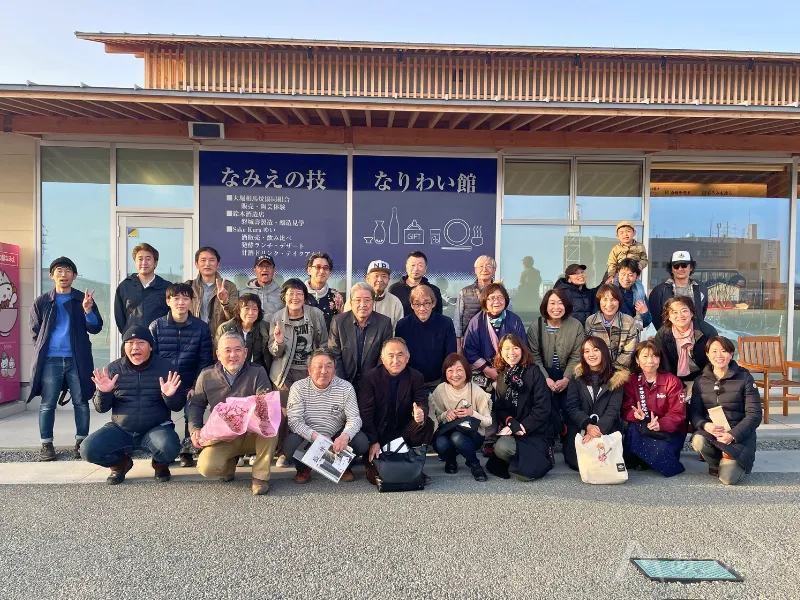
Through these efforts, he shares the story of Namie with the world.
Daisuke Suzuki is no longer just a brewery owner.
He has become a bridge connecting people, land, memory, and the future through sake.