Yasumasa Niida
Owner, Shiosai no Yado Akatsukien
Kitaibaraki, Ibaraki Prefecture
A booming laugh, a pair of sunglasses, and a kitchen filled with the rich aroma of anglerfish hot pot.
In the coastal town of Kitaibaraki, chef Yasumasa Niida rebuilt more than just an inn after the 2011 disaster. He rebuilt the flavors of his hometown—and the spirit of the community around it.
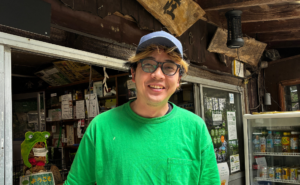
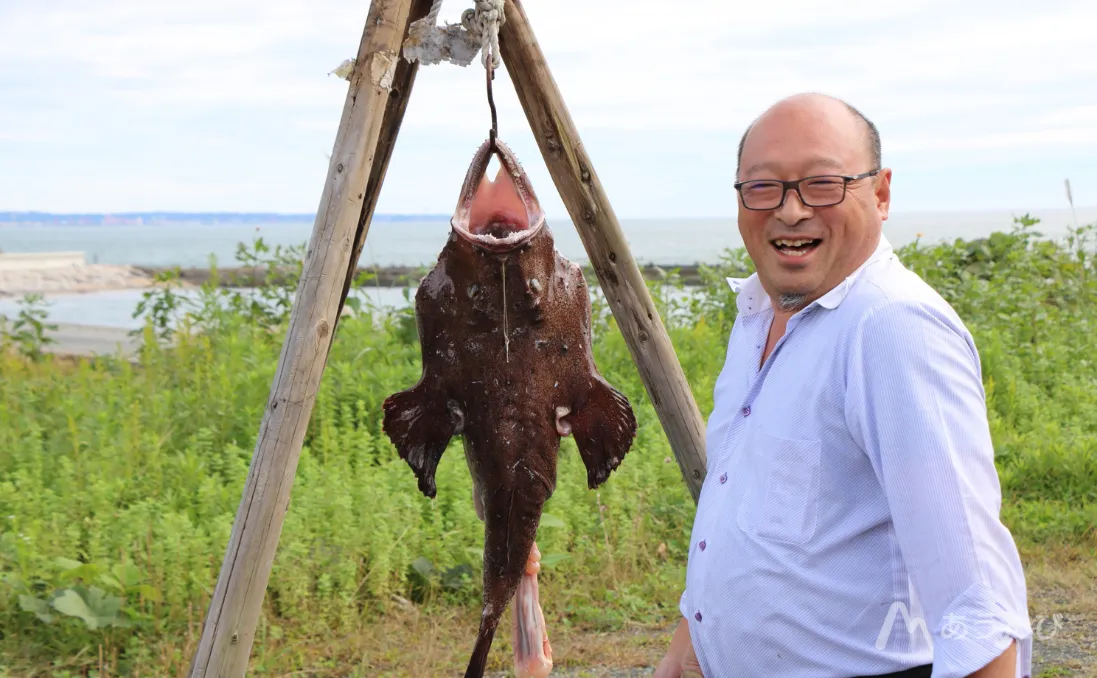
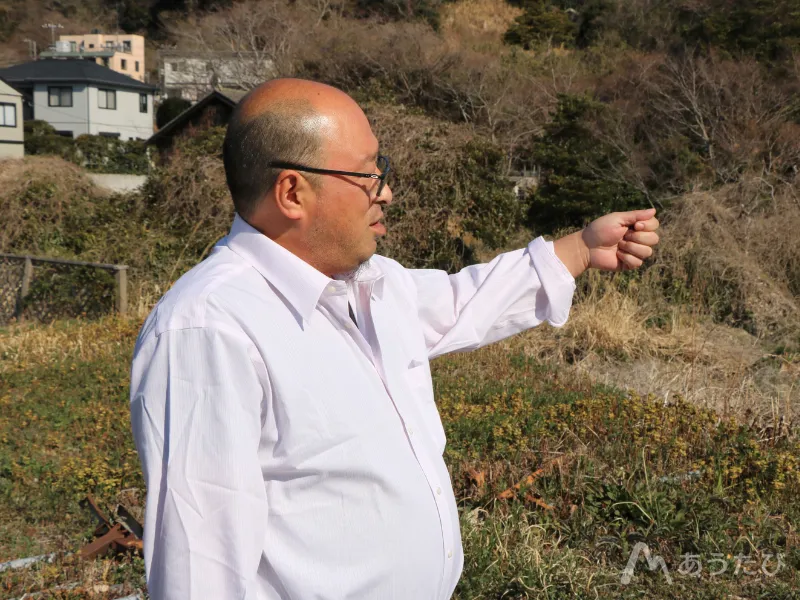
Mr. Niida is known for his booming laugh — “Gahaha!” — and his warm, unmistakable smile. When he steps out of his beloved Nissan Cima wearing sunglasses, his intimidating appearance might make you instinctively look away at first. But behind that tough exterior is a man who works tirelessly every day for one simple reason: to see the smiles of his guests.Many locals jokingly say that he resembles Kitaibaraki City’s beloved mascot, “Ko-chan the Anglerfish.”
Growing Up in a Seaside Inn
Born in 1974 in Kitaibaraki City, Mr. Niida grew up in a family that ran a small seaside inn started by his grandfather and father. In summer, it was lively with beachgoers, and in winter, guests came from all over to enjoy the region’s famous anglerfish dishes.
However, as travel styles gradually changed from the Showa to the Heisei era, fewer people chose to stay at traditional family-run inns. The number of guests continued to decline year after year, and more and more inns in the area began to close their doors.
Having no intention of inheriting the family business, Mr. Niida chose to pursue a career as a chef and moved to Tokyo at the age of 26. While working in restaurants and dreaming of opening his own place one day, eight years passed. Then his father’s health began to fail, and he returned to Kitaibaraki to help with the family inn.
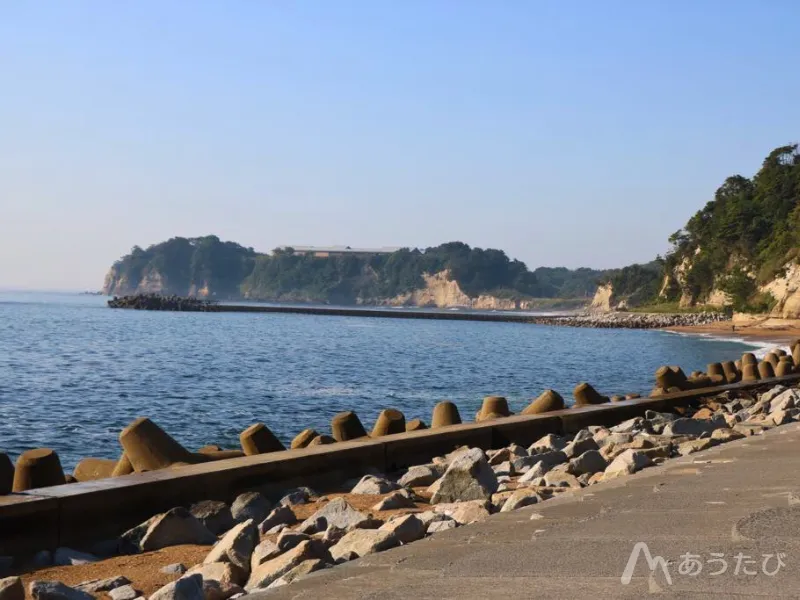
On the morning of March 11, 2011—three years after he had returned—Mr. Niida went to the market to buy fish as he did every day. But something felt strange. The catch was almost nonexistent, and there was hardly any fish available.
That day the inn was fully booked, so he had no choice but to purchase fish at prices several times higher than usual before returning to the inn. Looking back, he now believes that the sudden disappearance of fish was an eerie sign of the massive earthquake that would strike later that day.
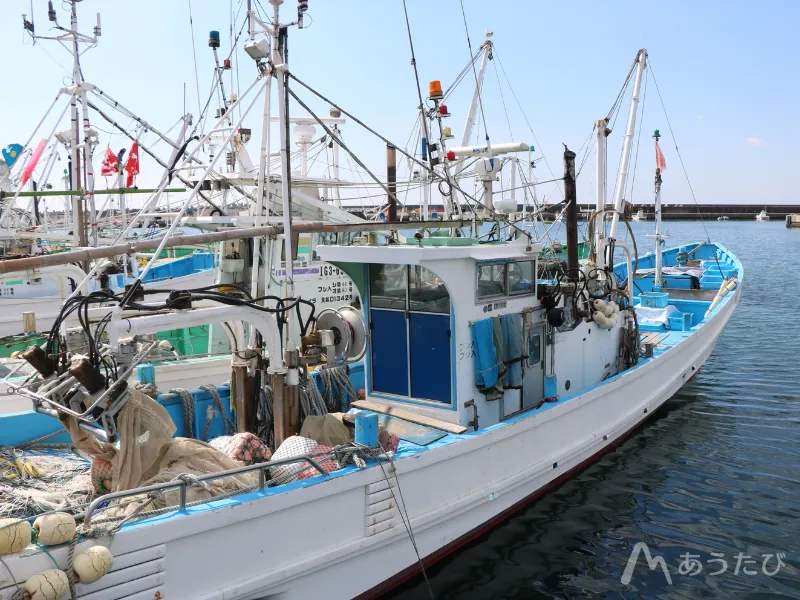
The Day Everything Changed
Shortly after 2:00 p.m., Mr. Niida was alone in the kitchen preparing dinner while his father went to the station to pick up arriving guests.
At 2:46 p.m., a violent tremor—unlike anything he had ever experienced—struck Akatsukien. He immediately turned off all the gas stoves and rushed through the building to extinguish the heaters in each guest room.
Fortunately, the inn escaped the tsunami. However, the building itself was severely damaged, making it impossible to continue operating the inn.
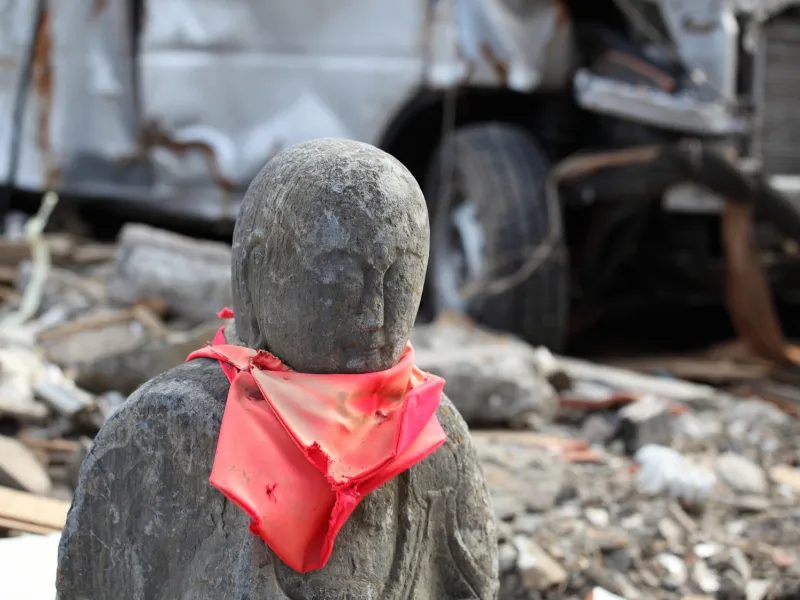
For several months afterward, he moved through each day in a daze, simply dealing with whatever was in front of him. Eventually, he realized that he no longer had a job.
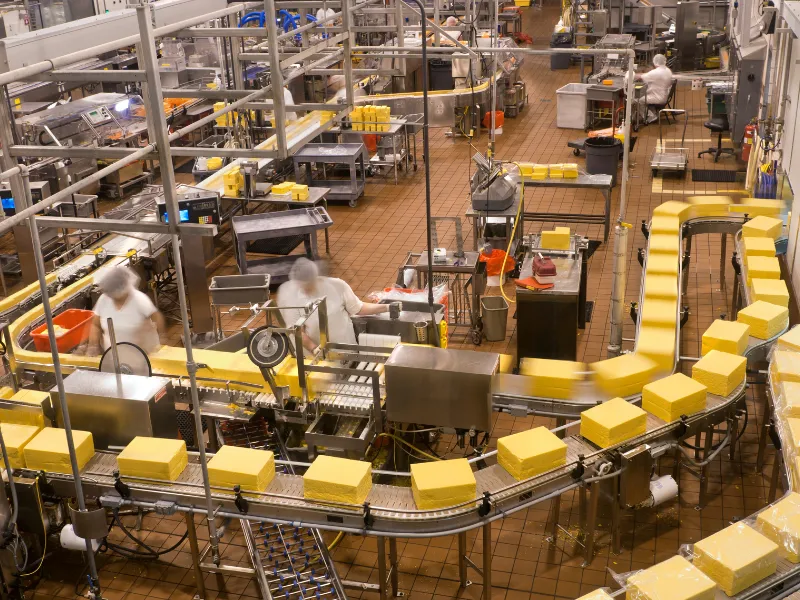
Some senior and junior acquaintances in the area offered him work, but wanting time to think on his own, he took a part-time job at a food company in Chiba Prefecture, carrying and transporting goods.
Rebuilding After the Disaster
Even then, his thoughts constantly returned to his hometown. On his days off, he would travel back to Kitaibaraki. One day, a friend told him about government reconstruction subsidies available after the disaster.
That conversation pushed him to make a decision—to rebuild the inn.
In May 2012, he constructed a new inn on the site across from where the former one had stood. It was completed just one year and two months after the disaster.
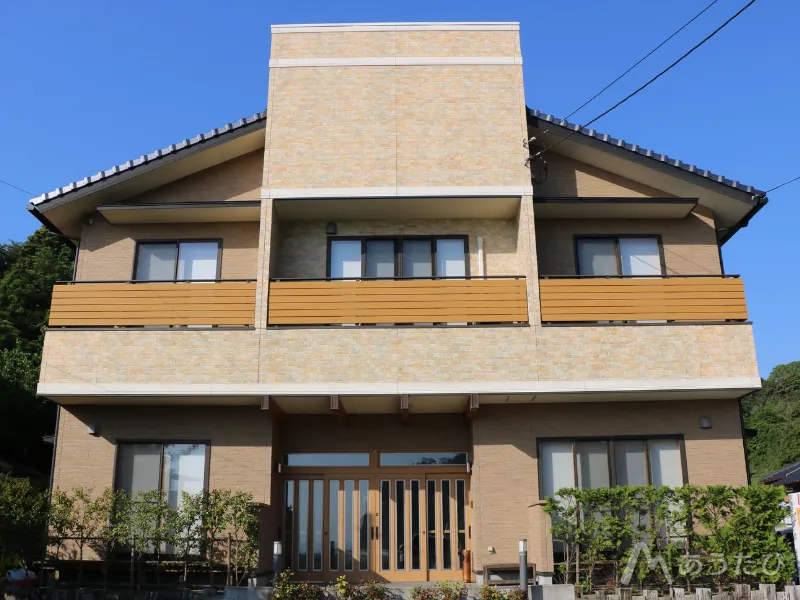
Even after reopening, however, the first two years were incredibly difficult. Due to reputational damage caused by the nuclear accident, very few guests came.
There were days when the inn was completely empty, and he could not even afford to hire staff. Running everything alone, he felt utterly lost.
“Honestly, at that time I seriously thought about ending my life,” he recalls quietly.
A Beloved Inn Returns
Gradually, around the winter of 2014, more guests began to return. Longtime customers who had visited since his father’s time also started coming back.
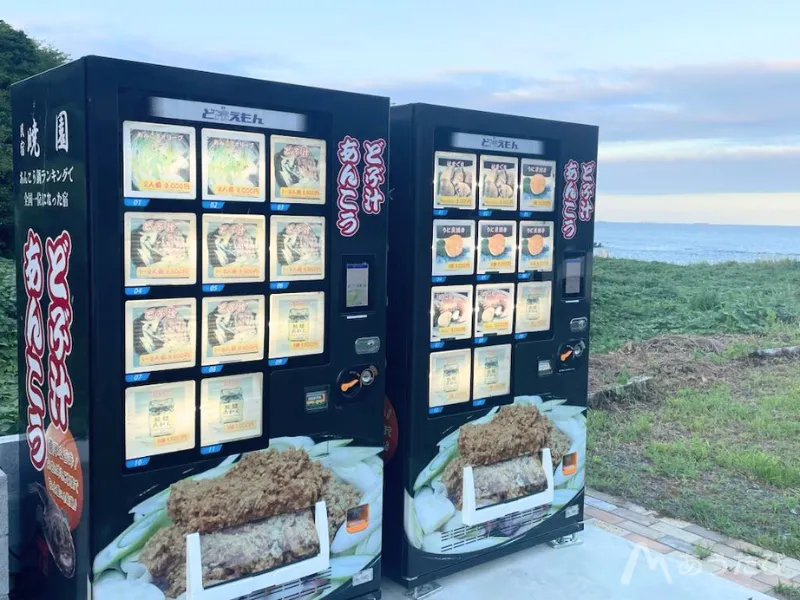
In 2018, he expanded the inn by adding a party room next door to accommodate local banquets and gatherings. During the COVID-19 pandemic, he even launched a frozen-food vending machine selling the region’s specialty Anko Dobu-jiru (anglerfish hot pot).
Through one new idea after another, Akatsukien has continued to evolve—and today it has become a popular inn where reservations are often difficult to secure.
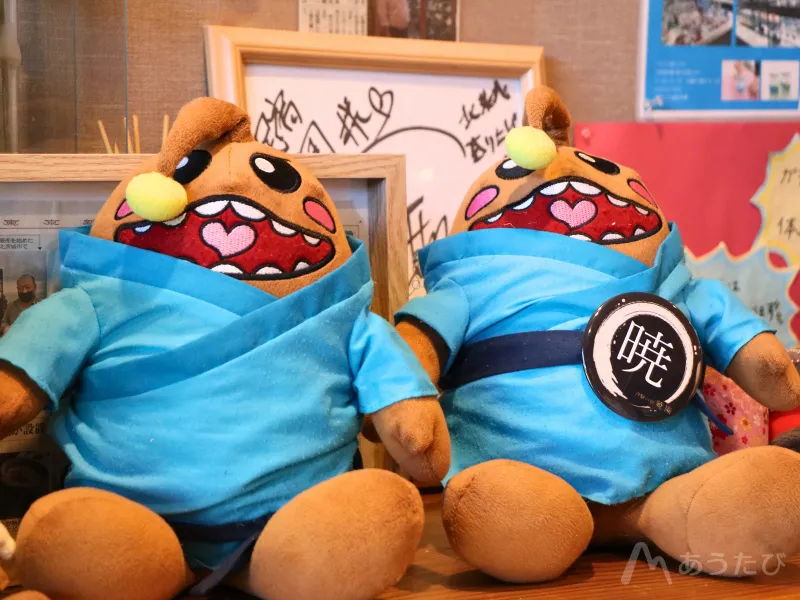
Many people say that Mr. Niida bears a striking resemblance to “Ko-chan,” the anglerfish mascot of Kitaibaraki City.
At the request of the city government, he now also provides specialty products such as “Legendary Local Dish: Anko Dobu-jiru and Rich Monkfish Liver” as return gifts for the city’s hometown tax donation program.
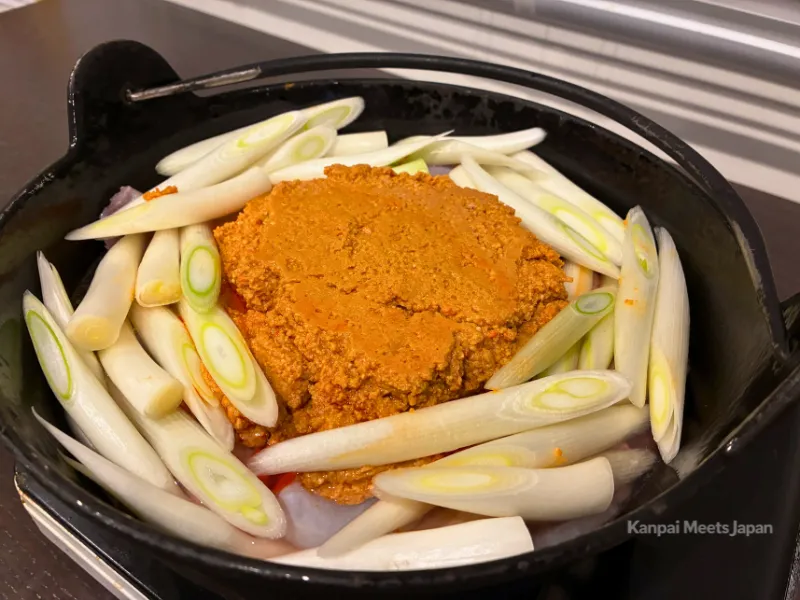
What is Anko Dobu-jiru?
Dobu-jiru is a rich winter hot pot made from anglerfish, a specialty of the Pacific coast of Ibaraki.
The dish is known for its deep umami flavor created by simmering monkfish liver with miso and vegetables.
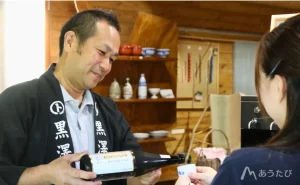
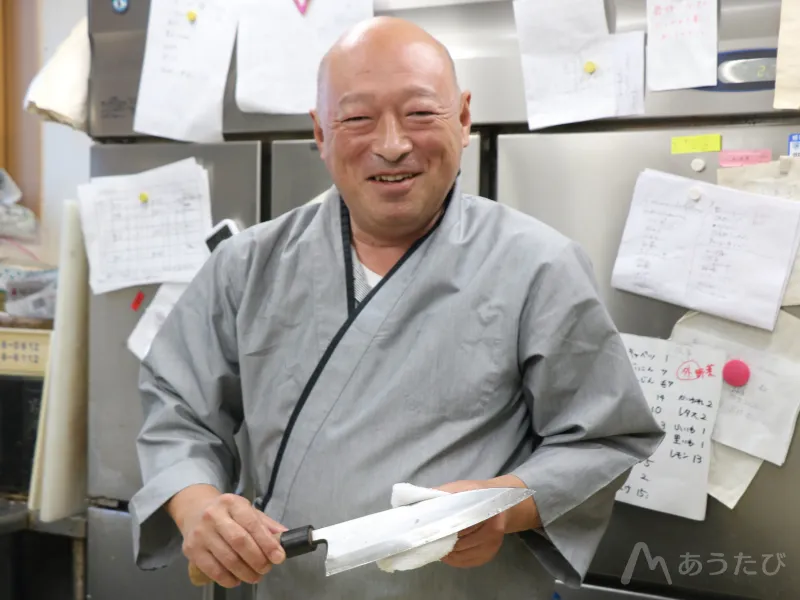
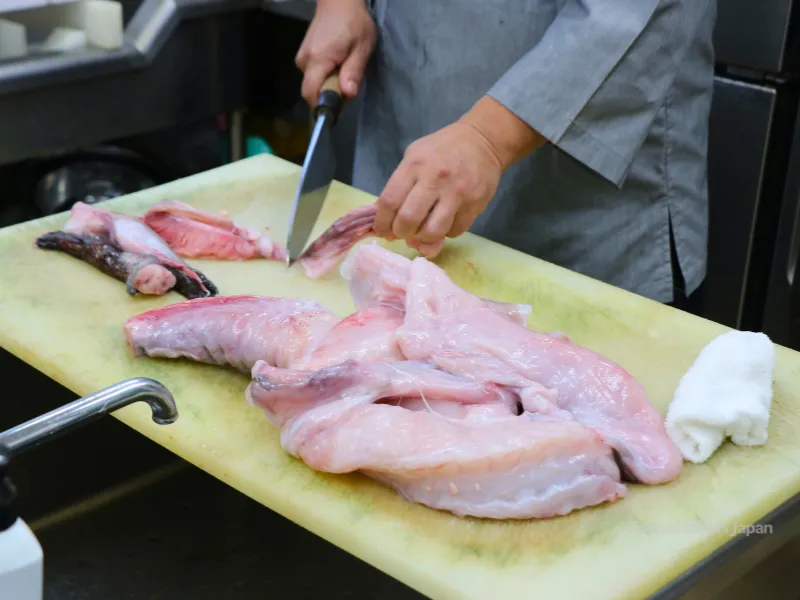
Chef Yasumasa Niida preparing fresh anglerfish, a winter specialty of Kitaibaraki.
Experience Kitaibaraki
Visitors to Kitaibaraki can experience the region’s fishing culture and seasonal cuisine.
Stay at Shiosai no Yado Akatsukien and enjoy traditional anglerfish dishes prepared by Chef Niida himself.
Learn more about Kitaibaraki → https://en.wikipedia.org/wiki/Kitaibaraki
Quick Facts
Location: Kitaibaraki, Ibaraki Prefecture
Specialty: Anglerfish hot pot (Anko Dobu-jiru)
Founded: 1970s family inn
Best season to visit: Winter