A Quiet, Reflective Experience Inspired by the Past
Introduction
Modern life is filled with constant stimulation, from work and relationships to social media and endless information. It’s easy to become preoccupied with the past or the future, and difficult to stay present in the moment.
This experience gives you a chance to step away from daily distractions. You’ll learn how to calm your thoughts and focus on the present through guided mindfulness practices.
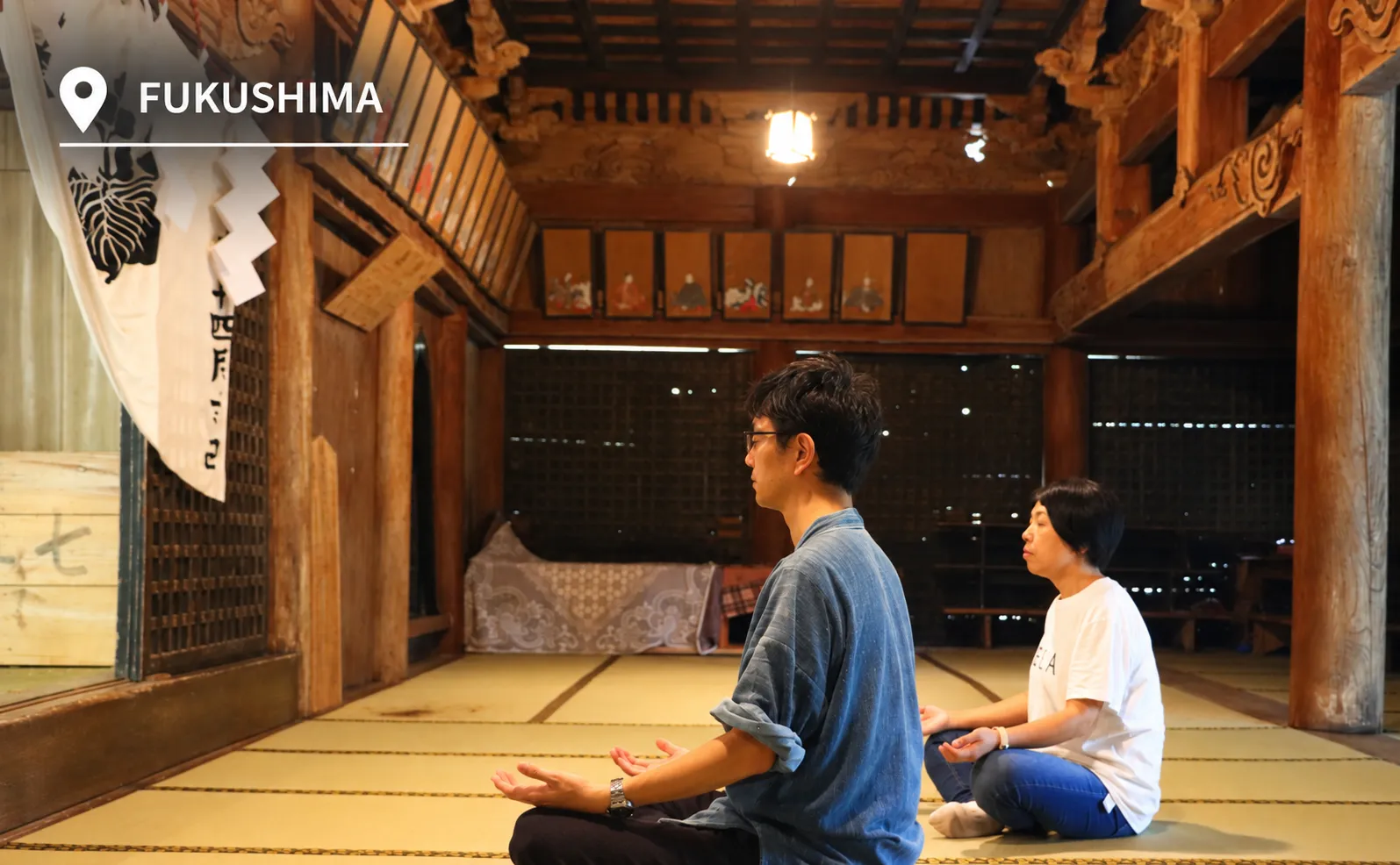
Set in the tranquil satoyama countryside (traditional rural landscapes) of the Towa area in Nihonmatsu City, Fukushima, this experience takes place at Okitsushima Shrine, a historic shrine with over 1,250 years of history. Guided by the shrine’s 63rd-generation priest, you’ll explore the expansive grounds and enjoy exclusive access to the main worship hall, where you will practice mindfulness.
Experience Highlights
- Walk through a sacred shrine with over 1,250 years of history
- Practice mindfulness meditation inside a worship hall
- Learn directly from a Shinto priest about spiritual traditions and daily practices
- Enjoy a peaceful forest walk surrounded by nature and fresh mountain air
- Relax with tea and cake at a locally run café
Meet your Host
Akimasa Abe – 63rd-Generation Shinto Priest, Okitsushima Shrinea Abe
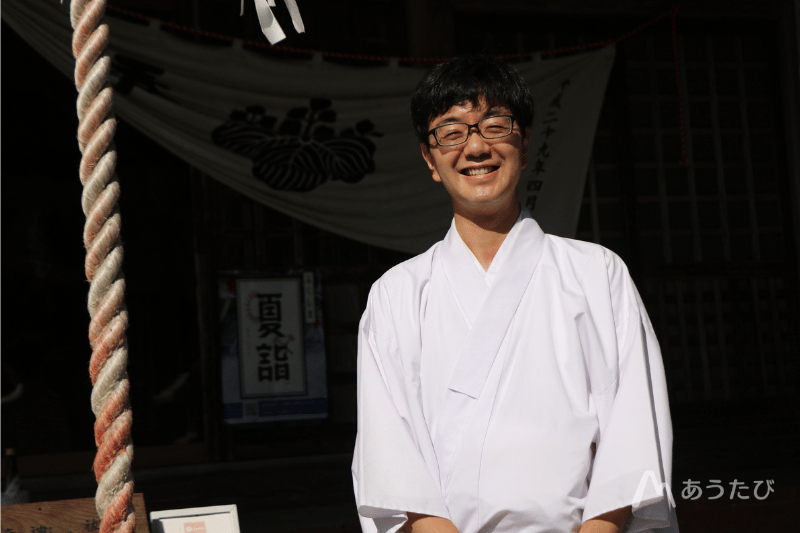
Born in 1981 in Nihonmatsu City, Fukushima, Akimasa Abe graduated from Kokugakuin University and spent 18 years working with the Fukushima Association of Shinto Shrines. Since 2020, he has been fully dedicated to his family shrine.
He is actively addressing the shortage of successors in the Shinto community by supporting shrines without priests. His goal is to create a space where everyone who visits feels a sense of calm. While preserving tradition, he also explores new ways for shrines to serve modern society, including organizing local markets and crowdfunding initiatives in collaboration with the community.
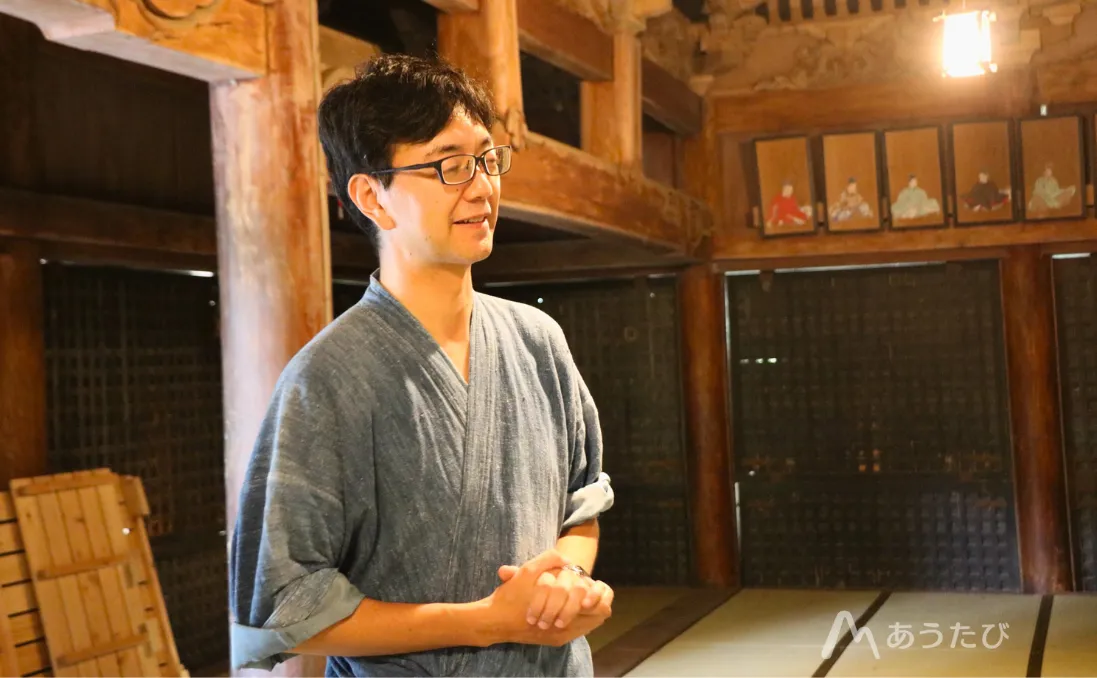
Mindfulness is the practice of creating a mental state where you can let go of distractions like anxiety and concerns about others’ opinions, and focus on the present moment.
Meditation is one of the key methods used to achieve this state. It is known to activate the brain, reduce stress, and improve focus and productivity. As a result, mindfulness has gained attention in both medical and business fields.
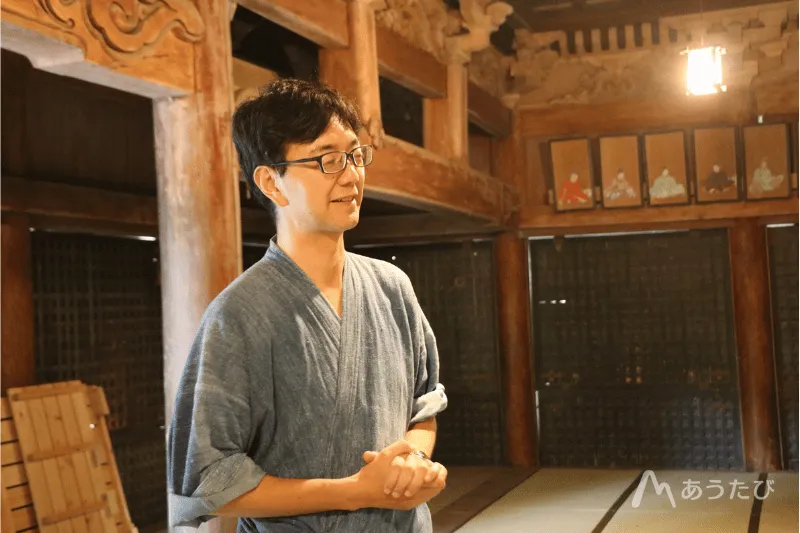
In today’s complex and information-saturated world, many people feel overwhelmed. As worries multiply and unexpected challenges arise, it becomes harder to maintain a sense of calm in daily life.
Left unaddressed, this mental fatigue can grow, eventually affecting both mind and body, and making even ordinary life feel difficult.
At Okitsushima Shrine, mindfulness is described as a process of recognizing your inner state, accepting it, letting it go, and returning your focus to the present moment. This awareness brings a sense of lightness and well-being.
If you’ve been feeling constantly busy, easily irritated, unable to enjoy things, or emotionally drained, your mind may be asking for rest. Even small moments of mindfulness in your daily life can help restore a sense of peace.
— Akimasa Abe, Shinto Priest of Okitsushima Shrine
Okitsushima Shrine
Located in the Kohata area of Nihonmatsu City, Okitsushima Shrine has a history spanning over 1,250 years. Locals affectionately call it “Kohata no Benzaiten,” referring to Benzaiten, a deity associated with wisdom, fortune, and relationships.
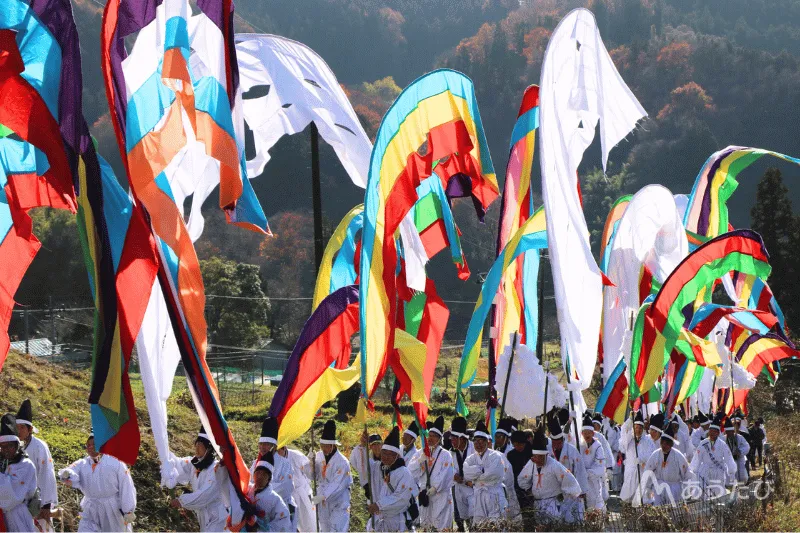
Every December, the shrine hosts the Kohata Banner Festival, a long-standing winter tradition in the region.de as a seasonal tradition of the year-end period.
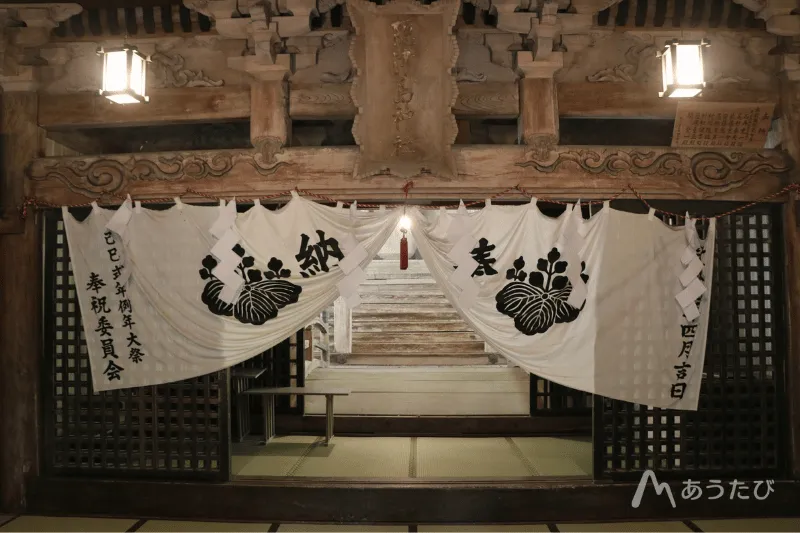
Originally established in 769, the shrine enshrines the three Munakata goddesses. In the early 9th century, a Buddhist hall was added by imperial order, creating a rare fusion of Shinto and Buddhism. This blend shaped its long-standing connection with the local community.
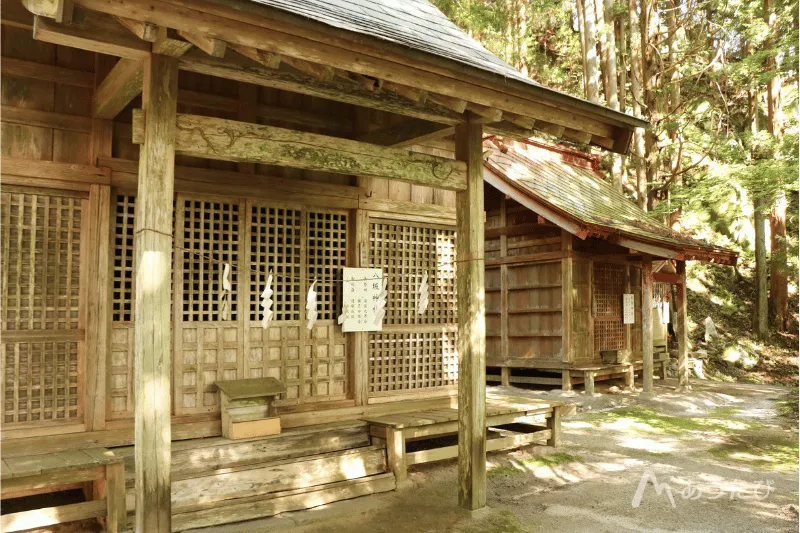
In 1585, the shrine was destroyed by fire during a campaign led by Date Masamune, a powerful feudal lord. It was later rebuilt through the strong faith and support of both local rulers and the public. During the Meiji period, when Shinto and Buddhism were officially separated, the shrine was renamed Itsukushima Shrine before returning to its original name, Okitsushima Shrine, in 1902. It was later designated as a prefectural shrine.
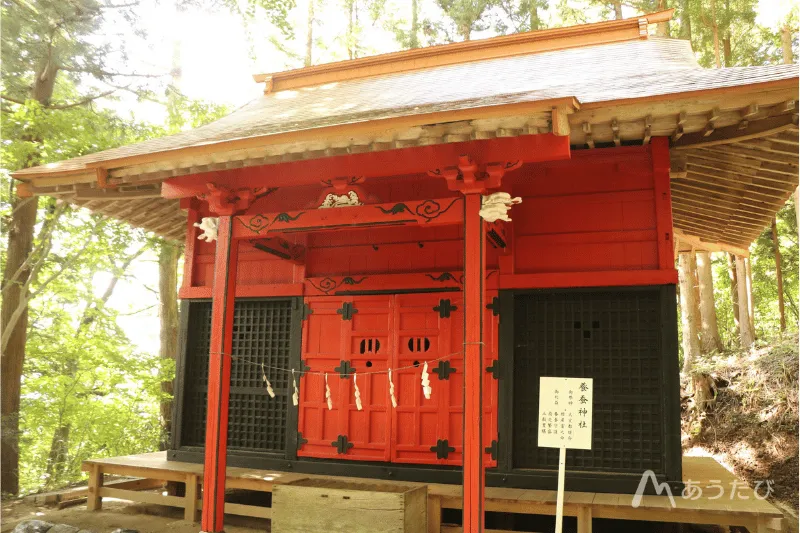
After World War II, it became a registered religious institution. Today, it is associated with Munakata Taisha (a UNESCO World Heritage site in Fukuoka) and is widely revered as a shrine for peace, happiness, wisdom, and meaningful connections.
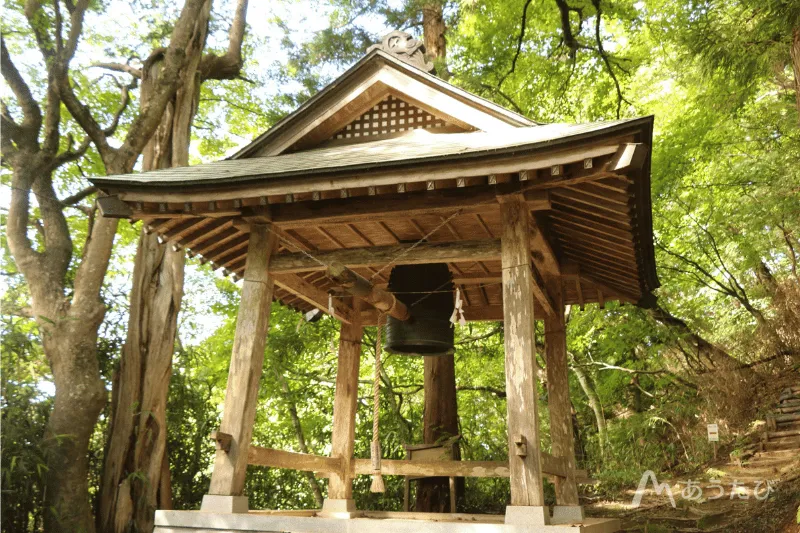
A bell tower from the era of Shinto-Buddhist syncretism still stands on the grounds. It is said that during wartime, the bell was hidden in the mountains to protect it from being melted down for metal.
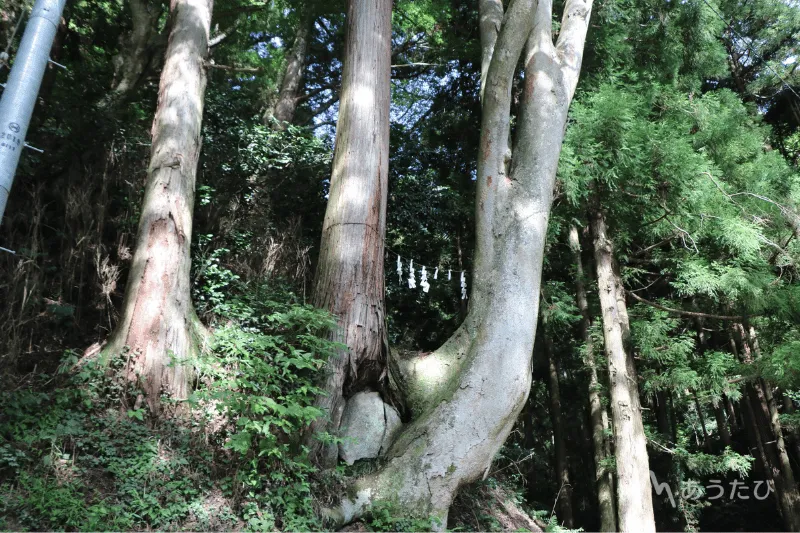
The shrine is also known for its role in fostering connections, not only romantic relationships but also ties related to work, finances, knowledge, and good fortune. A sacred tree on the grounds, where two large trees appear to protect a stone together, symbolizes these bonds.
Mindfulness Experience
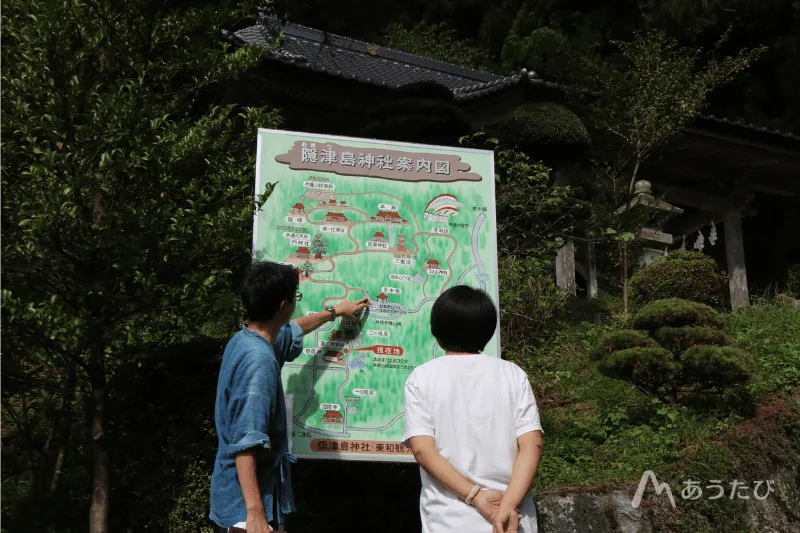
Upon arrival, you’ll be welcomed by Mr. Abe, who will guide you through the day’s route and highlight key points of interest.
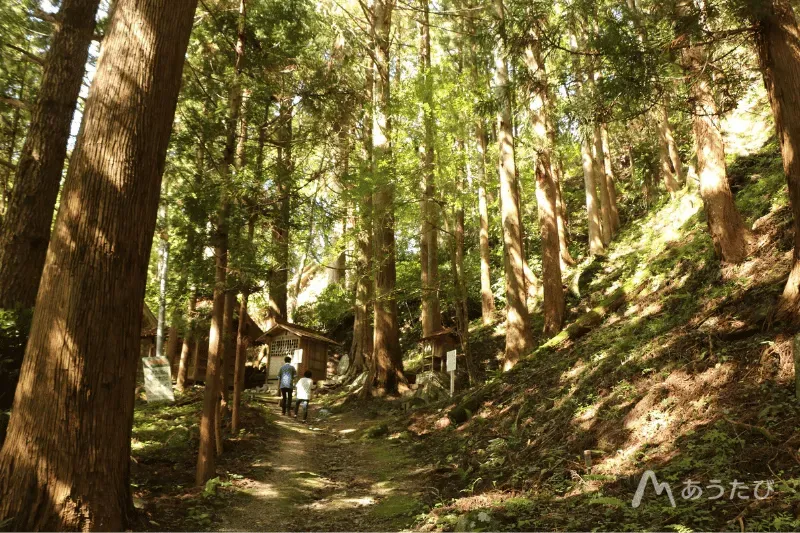
As you walk along forested mountain paths, you’ll feel the crisp air and serene atmosphere surrounding you.
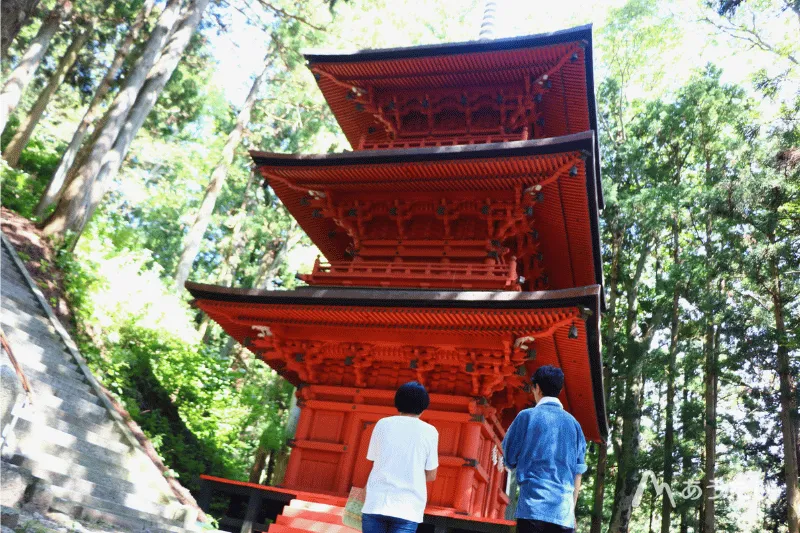
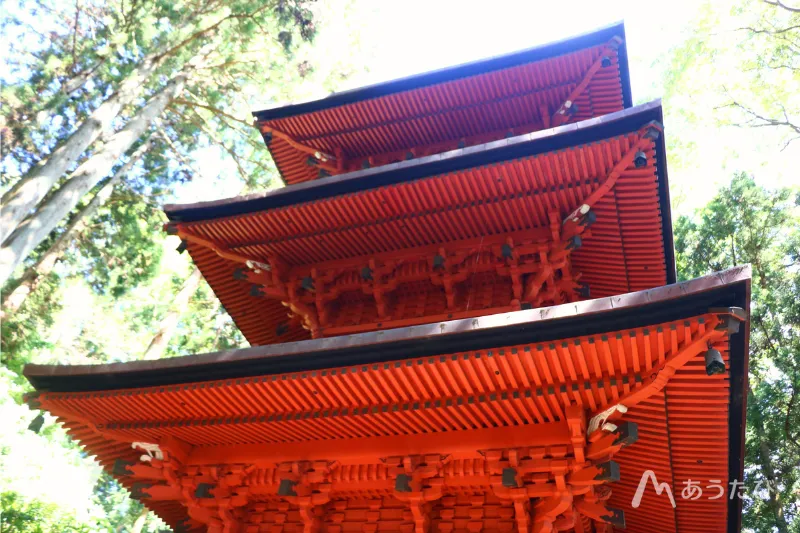
Along the way, you’ll visit scenic viewpoints, a towering cedar tree, and a three-story pagoda, while learning about their history and significance.
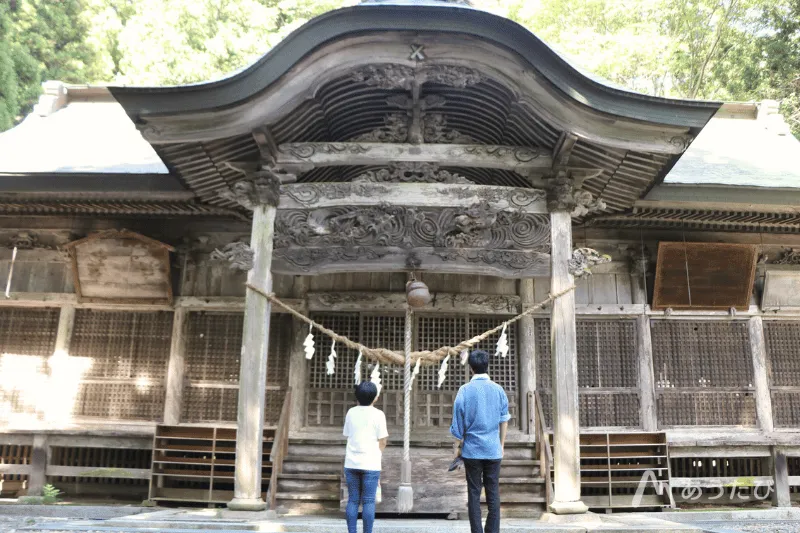
After about 20 minutes of walking and conversation, you’ll arrive at the worship hall, a dignified structure that reflects over 1,200 years of history.
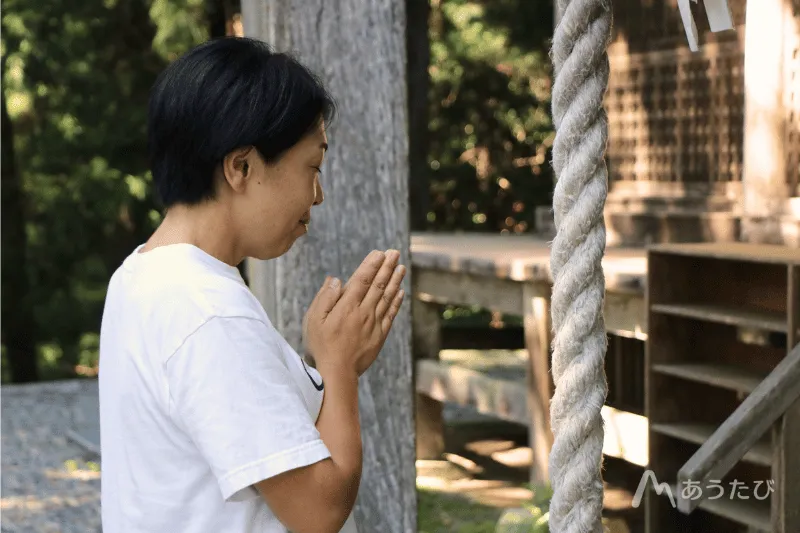
Before entering, you will first offer a prayer. Rather than making wishes, you’ll express gratitude for your health, your ancestors, your family, and the people around you.
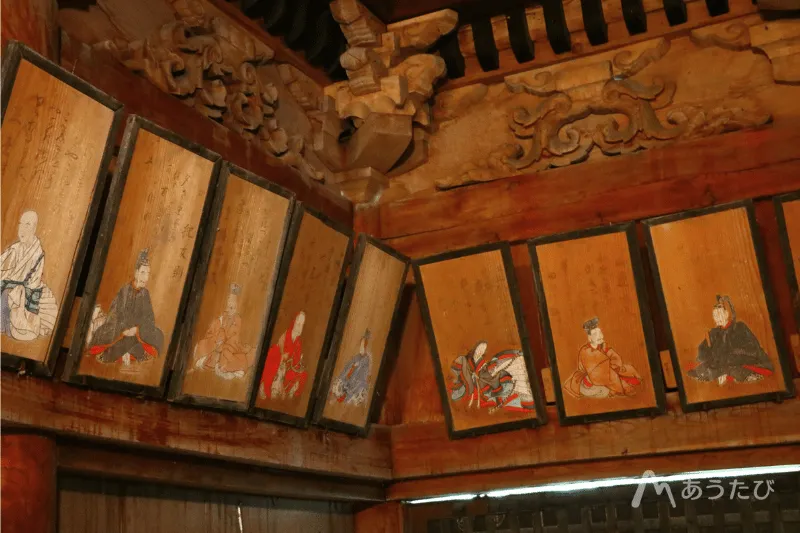
Inside the hall, the solemn atmosphere evokes a deep sense of time and tradition.
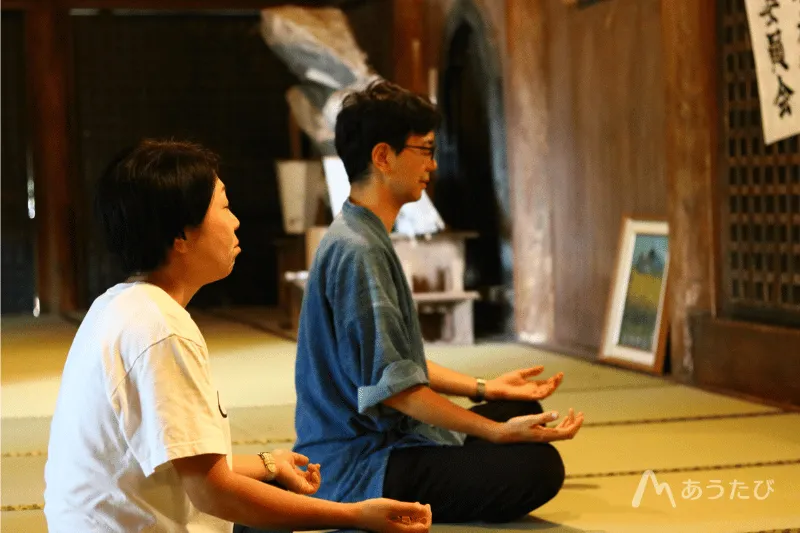
You will then take part in a special mindfulness session inside this sacred space. Through breathing techniques, awareness of your senses, and alignment with your breath, you’ll learn to release attachment to thoughts, emotions, and the past.
Kohata Cafe
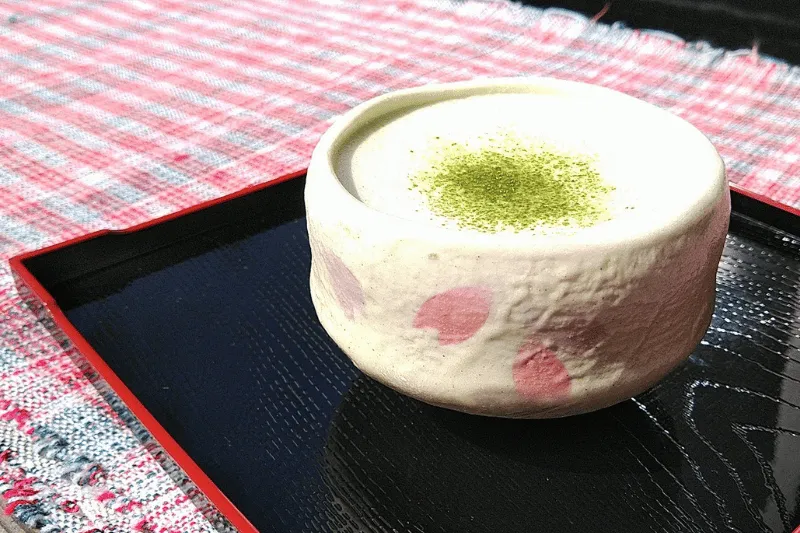
After the experience, relax at Kohata Café, operated by Mr. Abe. Enjoy tea and cake, such as their popular latte made from mulberry leaves, a local specialty.
Commemorative Gifts
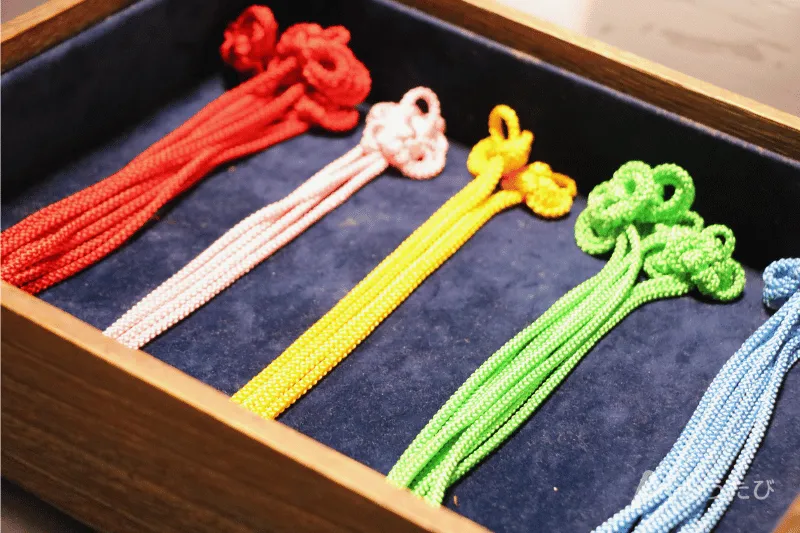
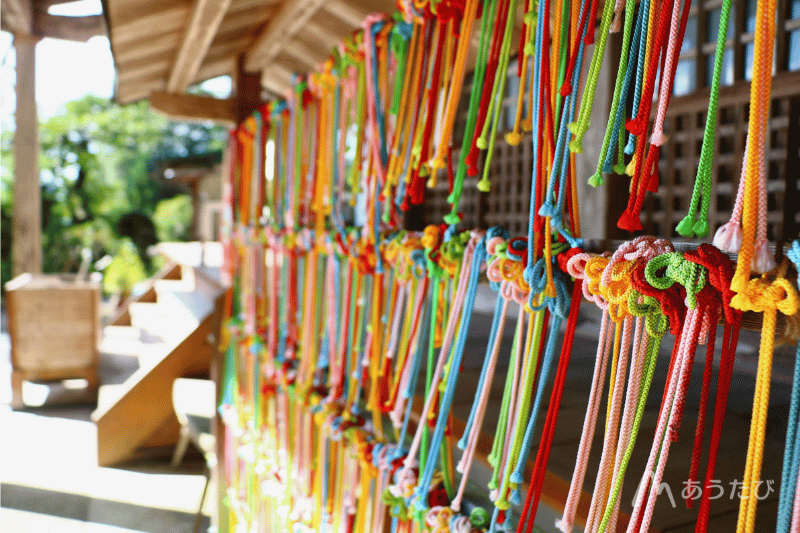
As a memento of your visit, you will receive a Kanō-himo (lucky cord) and a miniature heisoku (a Shinto offering wand). The Kanō-himo features knots that symbolize the kanji character for “wish fulfilled”. Traditionally considered a good-luck charm, it can be taken home or tied at a designated spot within the shrine grounds with a personal wish.
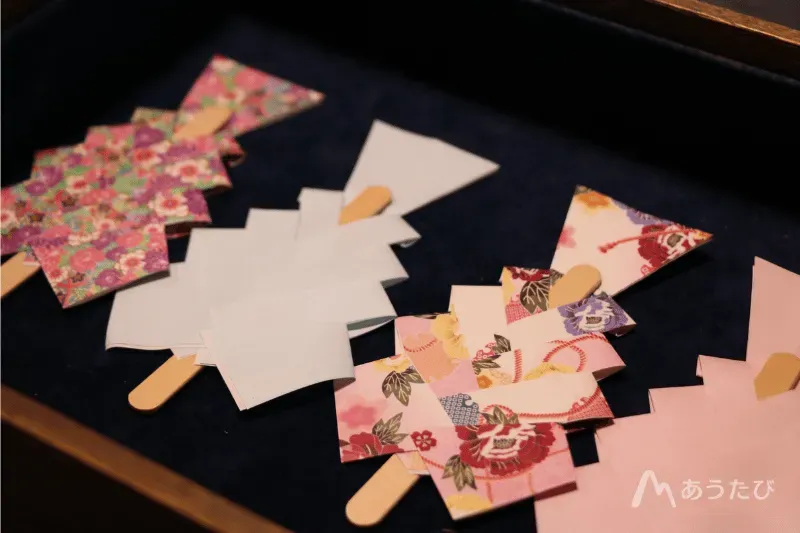
The heisoku is traditionally displayed in the home to invite protection from deities associated with fire, water, and the New Year’s god.
Language Support
Experiences are centered around connecting with local people and are primarily conducted in Japanese.
Depending on the region and program, English- and Italian-speaking guides may also be available. Please feel free to contact us for more information.
Schedule
| Time | Details |
|---|---|
| 13:00 | Meet at Okitsushima Shrine (in front of the Second Shrine Office) Gather at the designated meeting point. |
| 13:10 | Orientation & Introduction Begin at the nearby Yōhaiden (a worship hall used for prayer from a distance). ・Participant introductions (including your reason for joining) ・Overview of the shrine’s history ・Explanation of the experience, guidelines, and mindset for the session |
| 13:30 | Walk to the Main Shrine on the Mountain Summit Take a peaceful walk along forested mountain paths toward the main hall. Along the way, you’ll stop to visit several sacred sites, including: ・Mongami Shrine ・The Great Cedar of Kohata ・Three-story pagoda ・Iyaku Shrine (associated with healing and medicine) Note: The route includes stairs and slopes. Please wear comfortable walking shoes such as sneakers. |
| 14:00 | Mindfulness Experience Take part in a meditation session inside the worship hall located in front of the main sanctuary, an area normally closed to the public. Through guided breathing and awareness exercises, you will learn to: ・Calm everyday anxieties and mental distractions ・Let go of concerns about others’ opinions ・Focus fully on the present |
| 14:30 | Shrine Grounds Walk Explore the shrine grounds with your host, visiting: ・12 auxiliary shrines (massha, smaller subordinate shrines) ・The bell tower, a designated cultural property of the city |
| 15:00 | Commemorative Gifts Return to the Yōhaiden to receive your gifts: ・Kanō-himo (lucky cord symbolizing wishes fulfilled) ・Miniature heisoku (Shinto offering wand) |
| 15:15 | Café Time at Kohata Café Relax at Kohata Café, opened in 2021 within the shrine lodging area. Enjoy homemade sweets prepared by Mr. Abe, along with drinks such as a mulberry leaf latte made from a local specialty. End of Experience Thank you for your participation. |
The schedule is approximate and may change depending on the weather or on-site conditions.
Travel Details (Terms & Conditions)
| Availability | Mid-March to mid-December |
|---|---|
| Price | ¥13,800 per person |
| Included | ・Mindfulness experience fee ・Facility usage fee ・Commemorative gifts ・Café drink and sweets |
| Location | Okitsushima Shrine (in front of the Second Shrine Office) 49 Jike, Kohata, Nihonmatsu City, Fukushima 964-0203 |
| Access | 30 minutes from Funabiki-Miharu IC (Joban Expressway) 25 minutes from Nihonmatsu IC (Tohoku Expressway) |
| Minimum Participants | Minimum: 1 person Maximum: 6 people |
| Clothing | Comfortable clothing and walking shoes |
| What to Bring | No special items required. |
| Cancellation Policy | 14 days before the experience: 20% of the total fee 10 days before the experience: 50% of the total fee Same-day cancellation or no-show: 100% of the total fee |
| Booking Deadline | Reservations must be made at least 7 days in advance. |
| Payment Methods | Credit card (Visa, Mastercard) Detailed payment instructions will be sent by email after booking. |
| Additional Notes | In case of bad weather, the experience may be moved to the Yōhaiden (worship hall). Transportation is not provided. |
| Language Support | Experiences are primarily conducted in Japanese by local hosts. English- and Italian-speaking guides may be available depending on the region and program. Please contact us for details and additional fees. |
Meet Your Host
Want to learn more about your host?
Discover the story of the Shinto priest and his role in preserving local traditions.