Introduction
Okitushima Shrine
Akimasa Abe
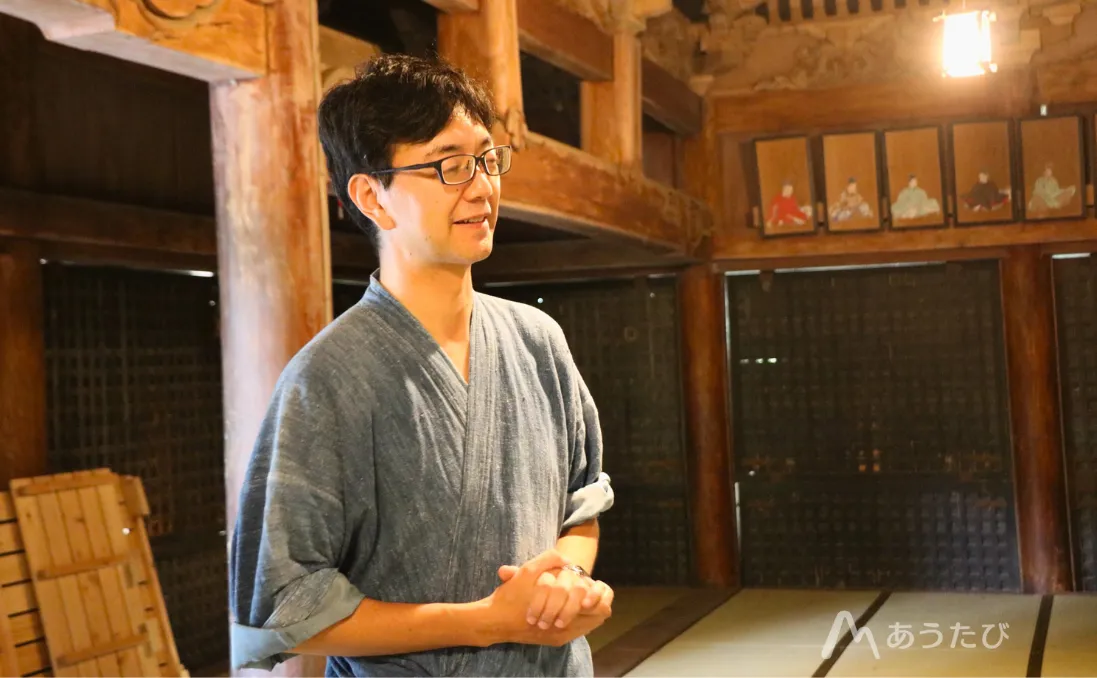
Okitushima Shrine Fukushima is home to a young Shinto priest carrying forward more than 1,200 years of tradition. Akimasa Abe, the 63rd-generation negi, is working to preserve the shrine’s heritage while creating a calm and welcoming place for the local community.
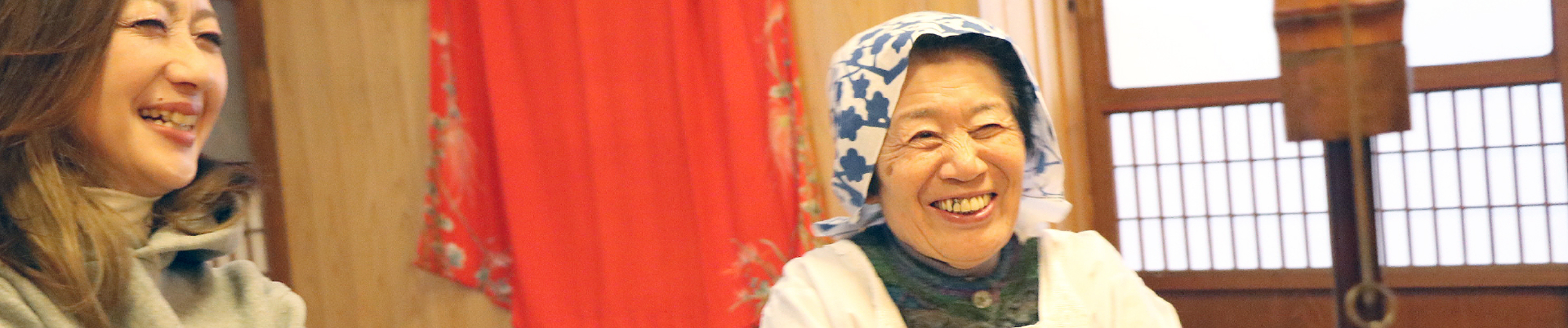
In 2021, during the COVID-19 pandemic, he organized local markets and opened a café within the shrine grounds to bring energy back to the community. He continues to explore new ways to keep the shrine connected to everyday life.
Born in 1981 in Nihonmatsu City, Fukushima Prefecture. After graduating from Kokugakuin University, he spent 18 years working at the Fukushima Prefecture Shrine Office, primarily in public relations.
Since 2020, he has been fully engaged in serving at his family shrine. He has also taken an active role in improving its outreach, including renewing the shrine’s website.
Growing up, he closely observed his father’s work and understood the responsibilities and challenges of being a Shinto priest. Over time, he naturally came to see this path as his own.
He now also hopes that his own son may one day carry on this tradition.
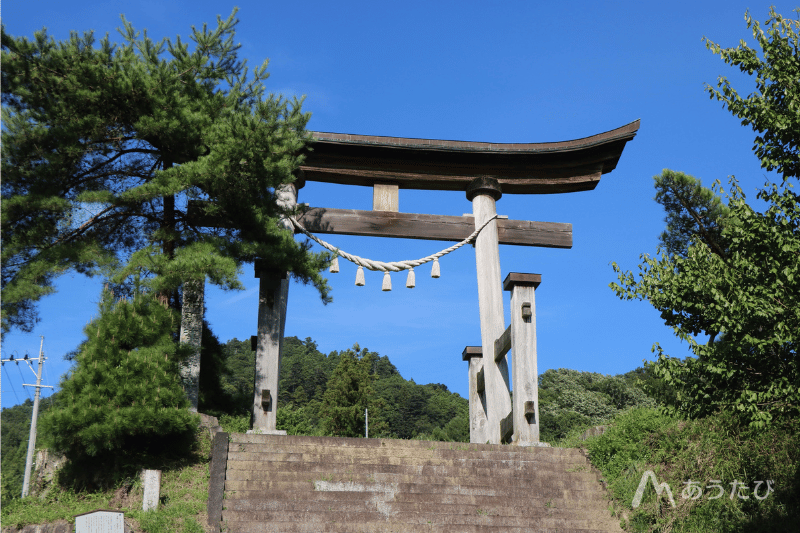
In recent years, lifestyles in Japan have diversified. More people are choosing not to inherit family roles tied to shrines, seeking freedom from historical expectations.
As a result, an increasing number of shrines are left without resident priests. This is a growing concern for the future of these sacred spaces.
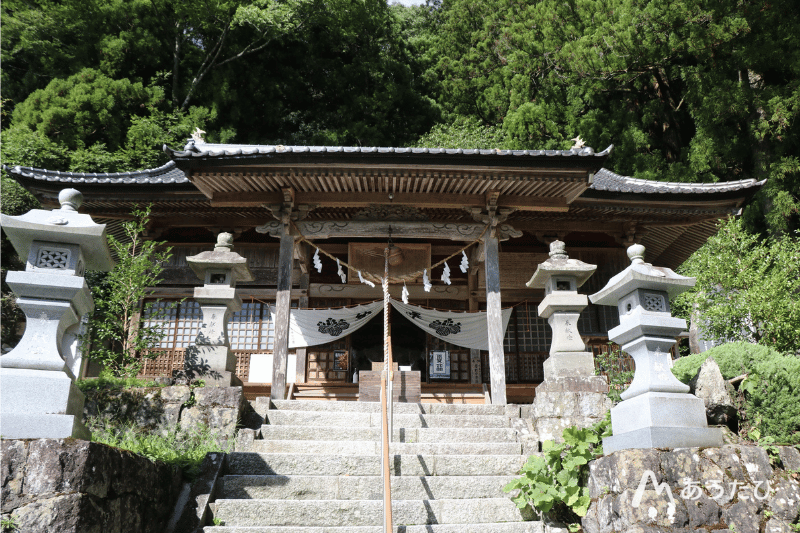
At Okitushima Shrine, they support and manage rituals for shrines without priests. During the busy seasons of spring and autumn, Abe spends his days attending festivals and community events.
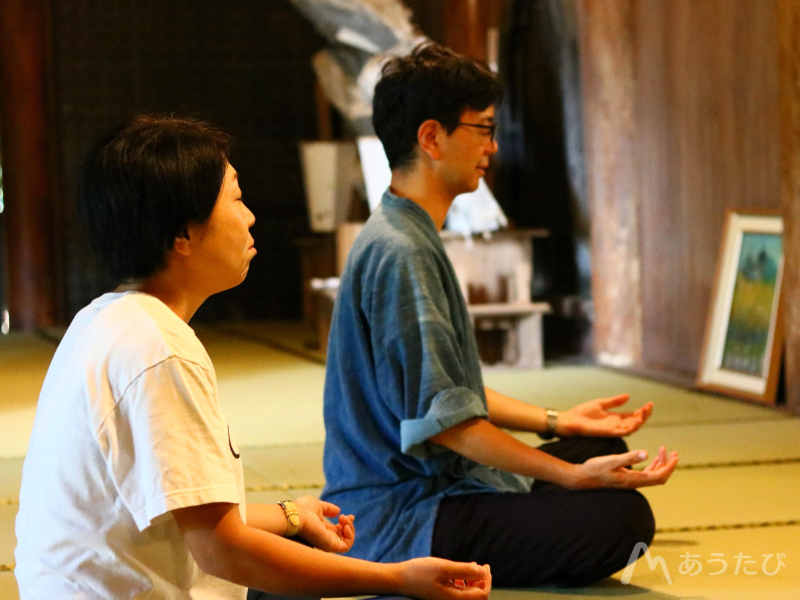
Since 2019, he has also practiced mindfulness, hoping that everyone who visits or connects with the shrine can find a sense of calm.
Okitushima Shrine
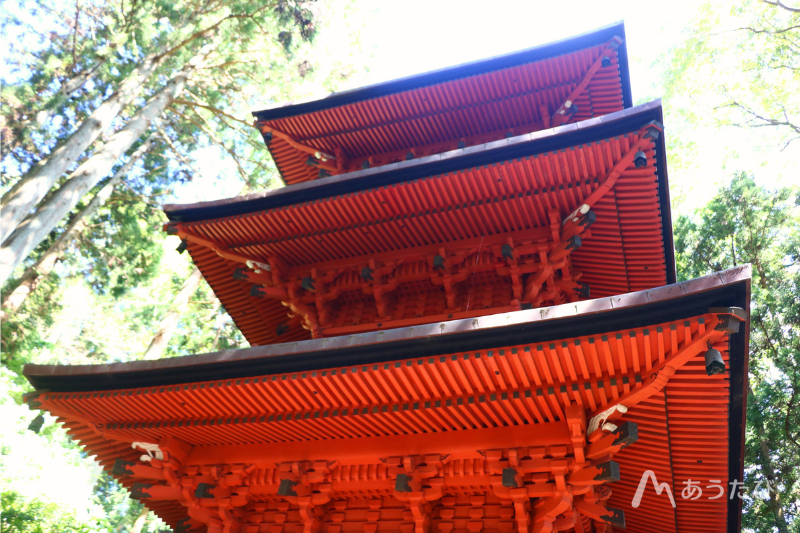
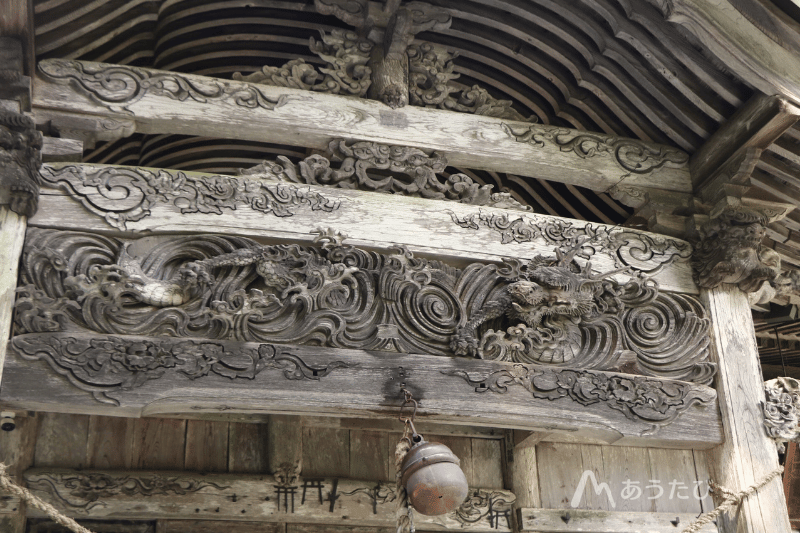
Located in the Kohata district of Nihonmatsu City, Okitushima Shrine traces its origins back to 1254. Locals affectionately call it “Kohata no Benzaiten.”
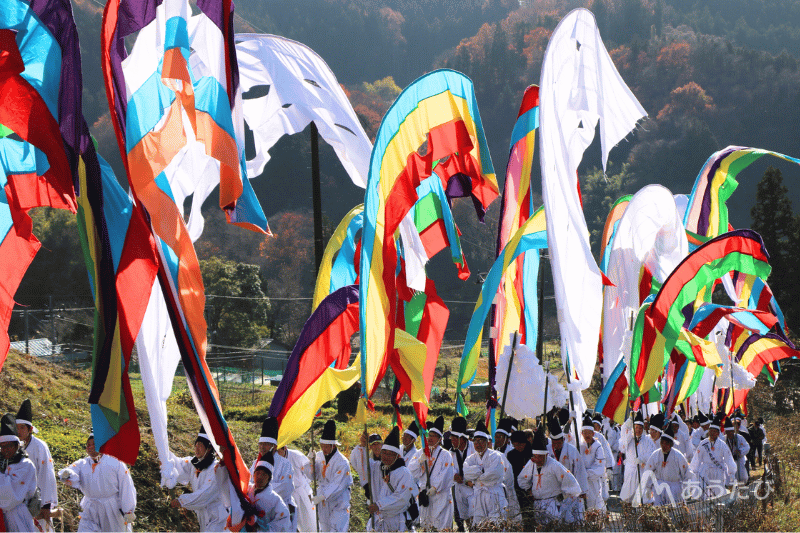
The Kohata Banner Festival, held every December, is widely known across Japan as a seasonal tradition marking the end of the year.
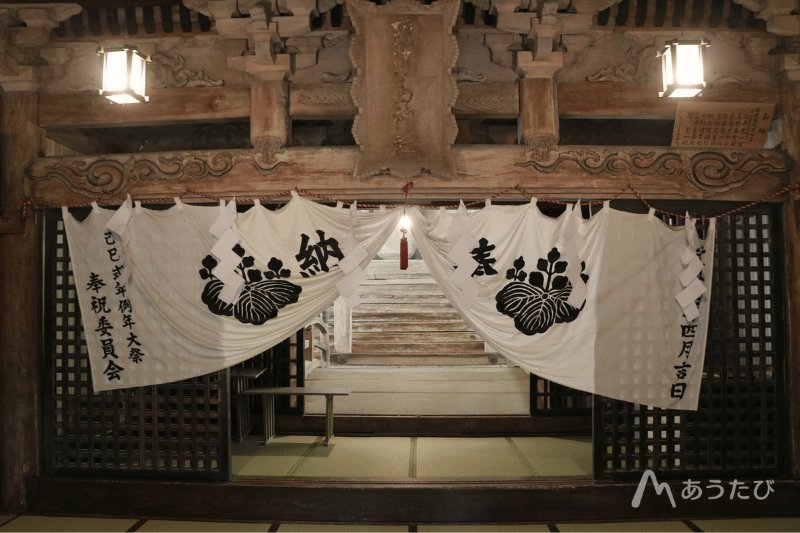
The shrine was originally established in 769 (Jingo Keiun 3), enshrining the three Munakata goddesses. In 806, under the imperial wish of Emperor Heizei, a hall dedicated to Benzaiten was built, creating a site where Shinto and Buddhism coexisted.
Over time, it became known among common people as “Kohata no Benzaiten.”
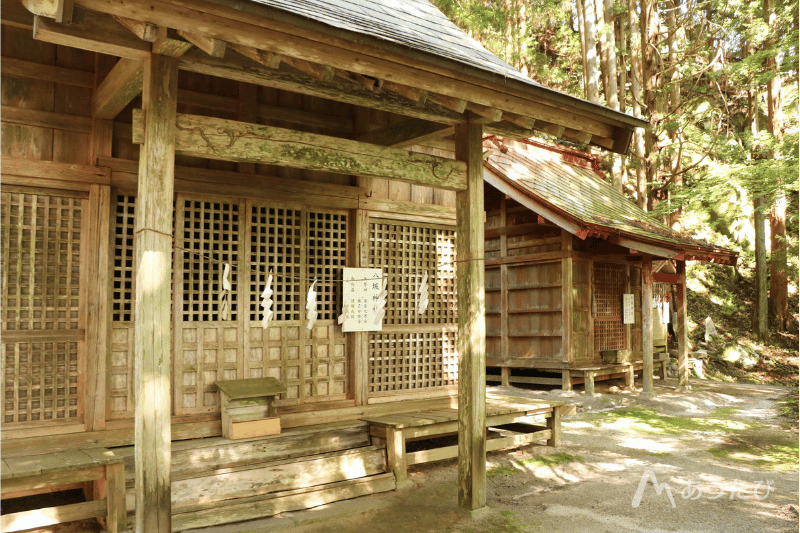
In 1585, during the rule of Date Masamune, the entire mountain area of the shrine was destroyed by fire, and all buildings were lost.
However, due to the strong faith of local lords and the community, the shrine was rebuilt. In the Meiji era, following the government’s policy separating Shinto and Buddhism, the associated temple was abolished, and the shrine was renamed Itsukushima Shrine.
In 1902, the original name Okitushima Shrine was restored, and in 1907, it was officially designated as a prefectural shrine.
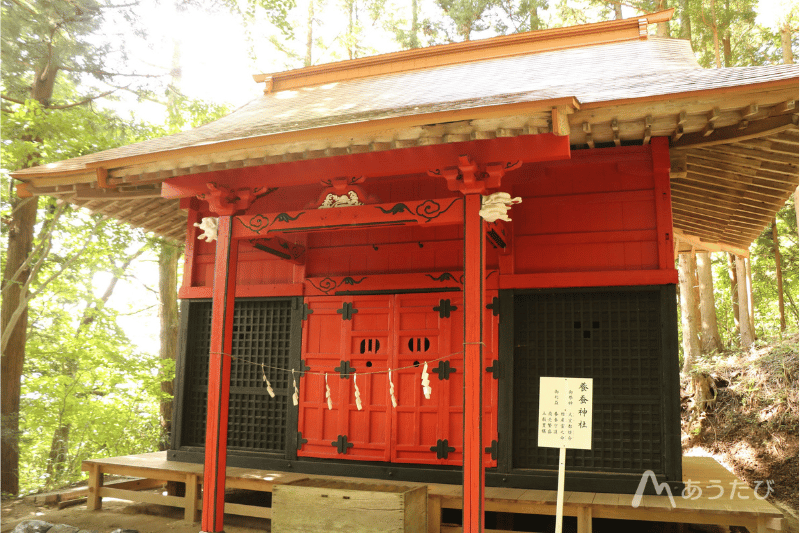
After World War II, under the Shinto Directive, the shrine was registered as a religious corporation, and its former official ranking was abolished.
It is also a branch shrine of Munakata Taisha, which was designated a UNESCO World Heritage site in 2017. The shrine is widely worshipped as a place for peace, happiness, wisdom, and meaningful connections.
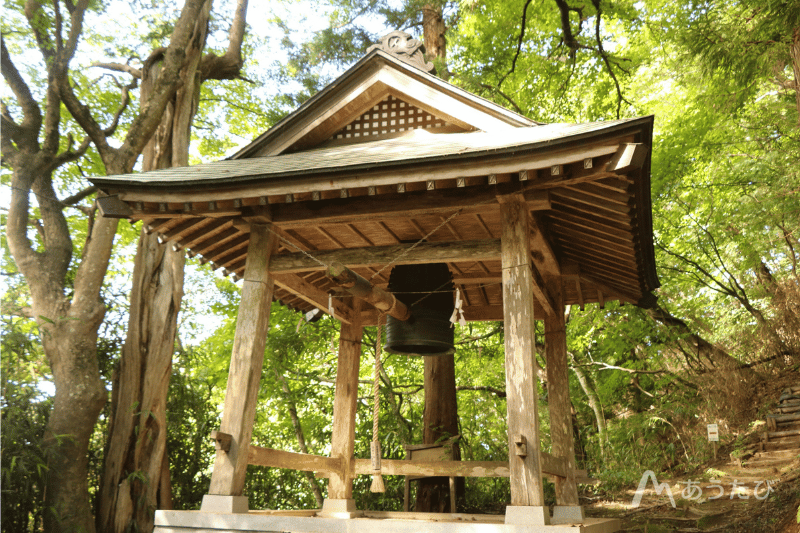
The bell tower, installed during the period when Shinto and Buddhism were practiced together, still remains today. It is said that during wartime, the bell was hidden by rolling it down the mountain to protect it from metal requisition.
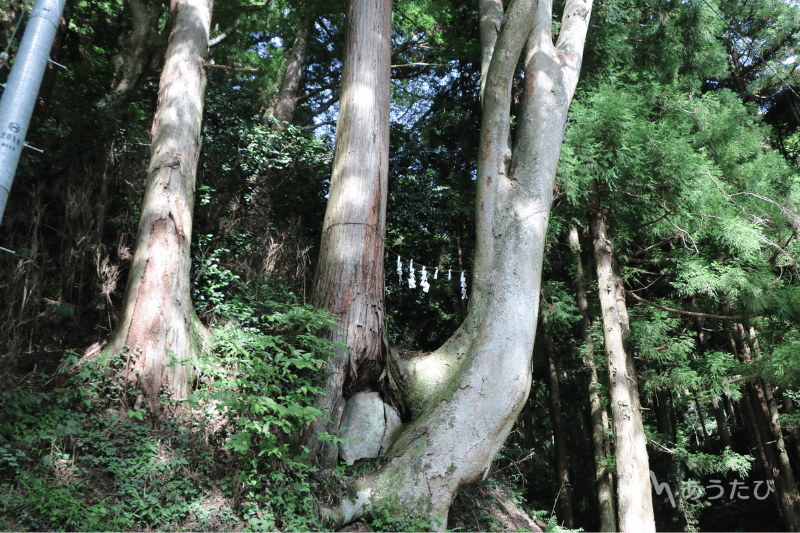
The shrine is also known as a place for matchmaking and meaningful connections, not only in romance but in relationships, work, finances, knowledge, and good fortune.
Within the grounds stands a sacred tree for matchmaking, where two large trees appear to gently protect a stone between them.
Experience Mindfulness in Fukushima
Join a guided mindfulness session at Okitushima Shrine Fukushima.
→ View the Experience