Stay in Oguni, Yamagata — A Matagi Family Homestay
Breathe deeply, and you’ll feel the fresh mountain air fill you.
In the forest-surrounded town of Oguni, Yamagata, life still moves in step with nature. This is not a sightseeing tour, but an invitation to quietly share in the everyday life of a family who continues the Matagi tradition—living alongside the mountains and respecting the rhythms of nature.
Experience Highlights
・Stay with a real Matagi family in the mountains of Yamagata
・Share home-cooked meals featuring wild game and local ingredients
・Learn about Matagi hunting traditions and mountain culture
・Experience seasonal rural activities such as foraging, fishing, or snow walks
・Discover everyday life in a remote mountain community
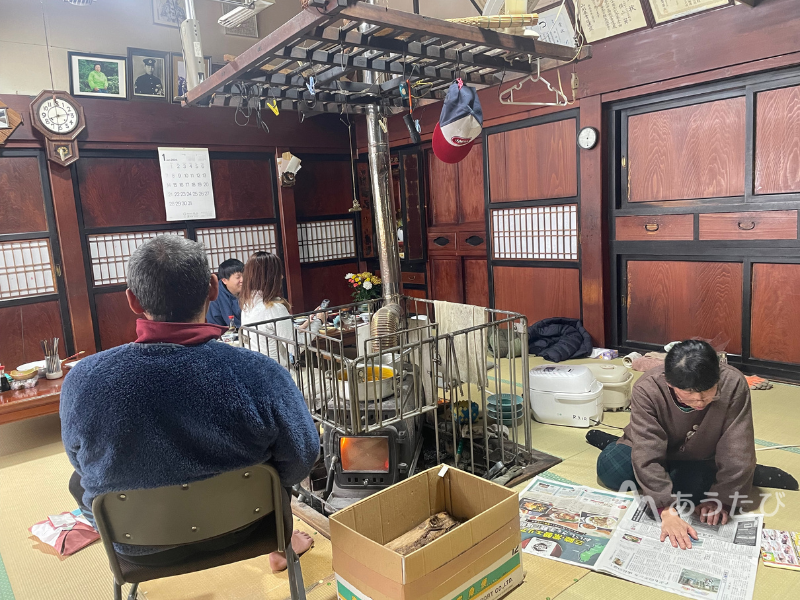
Just Like Returning Home
The host once said, “I hope this place can become someone’s countryside home.”
With that wish, the guesthouse was created. Here, guests are not treated as customers but welcomed like family. There are no luxury suites or formal service—just shared meals, genuine conversation, and time to relax together. It is the kind of place where you might say “I’m home,” and hear “Welcome back!”
About Oguni, Yamagata
Oguni is a small mountain town located in the southwestern corner of Yamagata Prefecture, near the border with Niigata. The town is surrounded by the dramatic landscapes of the Iide Mountain Range and the Asahi Mountains.
Nearly 90% of Oguni is covered by forest, including vast stands of beech trees and other deciduous woodland. The region is also known as one of Japan’s heaviest snowfall areas, with some mountain villages receiving up to five meters of snow during winter.
From Yonezawa Station, Oguni can be reached in about 1 hour and 30 minutes via the JR Yonesaka Line.
(Please note that due to heavy rainfall in August 2022, parts of the line are currently replaced by bus services.)
This remote mountain environment has helped preserve traditional ways of life connected to the forest—such as the Matagi hunting culture that continues today.
People who come here are not “customers”—they’re part of the family. There’s no formal service and no luxurious rooms.Just relax, laugh from the heart, and spend time as you would in your own home.
Meet Your Hosts – The Yokoyama Family
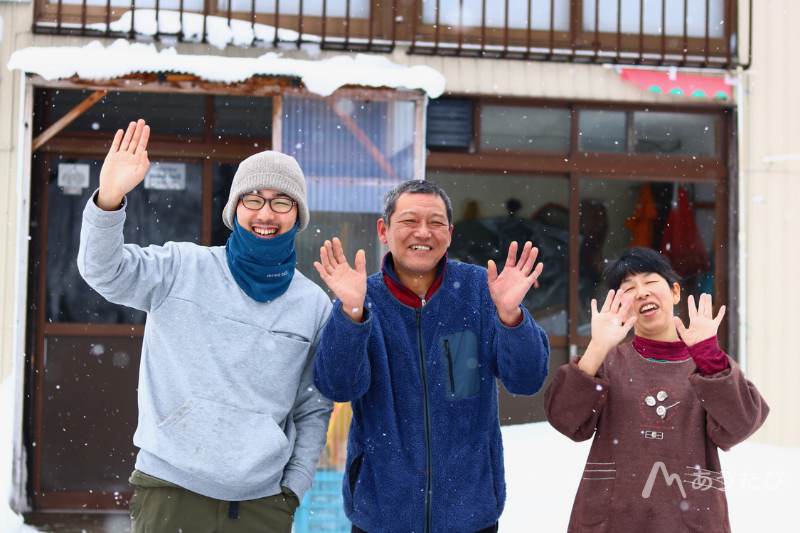
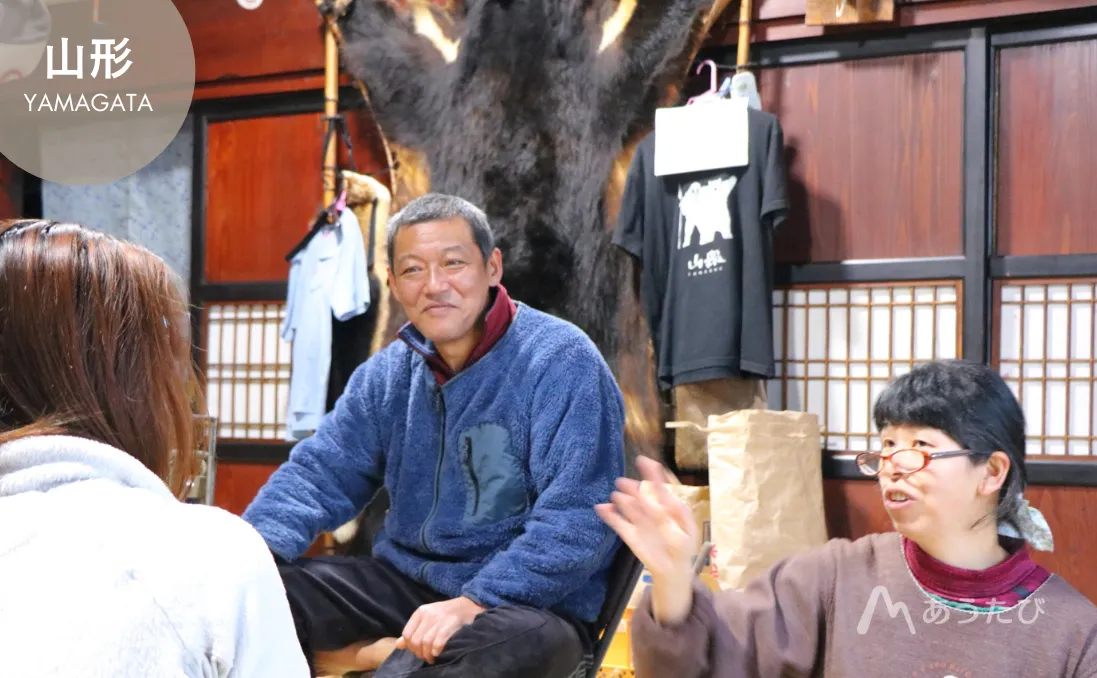
Minshuku Okukawairi is run by the Yokoyama family—Ryūzō, a fourth-generation Matagi hunter, his wife Naomi, and their son Taku, who is carrying the tradition into its fifth generation.
After spending time living in the city, Ryūzō returned to his hometown and opened the guesthouse to share his family’s way of life. Together with Taku, he continues the Matagi hunting tradition while also running the guesthouse, growing rice, and raising chickens. Life here follows the rhythm of the seasons. When you stay with the Yokoyama family, you share meals, stories, and everyday moments shaped by generations of life in the mountains.
Matagi Culture in Oguni
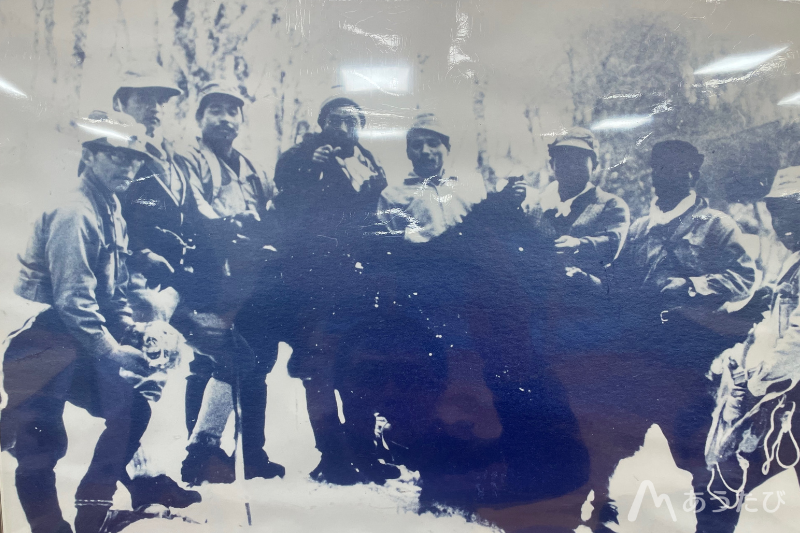
In the Kotamagawa district of Oguni, the Matagi—traditional mountain hunters—have passed down their way of life for centuries.
Matagi hunters even use a unique vocabulary spoken only in the mountains. One distinctive call, “Koizumiwā!”—believed to mean “Look here!” in the Ainu language—is a signal to fellow hunters.
The Matagi primarily hunt the Asiatic black bear through coordinated group hunts known as makigari. Each hunter has a role: the Mukadate leads the hunt, the Seko drive the bear, and the Buppa takes the shot.
In the past, hunts were carried out by groups of around ten people. Today, as the number of Matagi has declined and many have other occupations, hunts are sometimes conducted by smaller groups of about five.
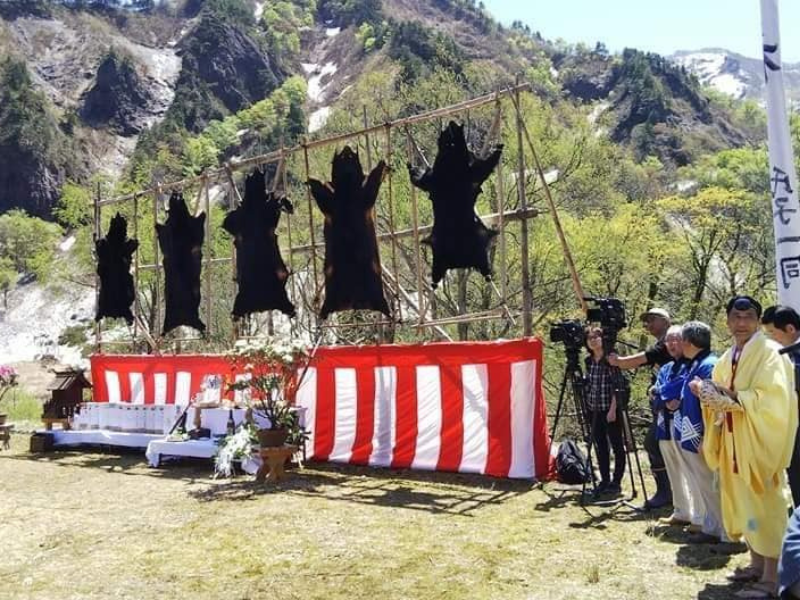
After a successful hunt, a ritual known as a Bear Festival (Kuma Matsuri) is held to pray for the bear’s spirit and give thanks for the protection of the mountain deity.
Everything taken from the mountain is considered a gift.
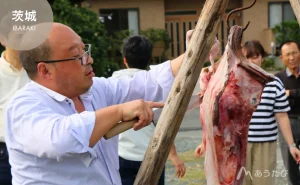
After the hunt, the bear is carefully processed and used in its entirety—except for the contents of the intestines. The meat, skin, and other parts are used for food, clothing, or medicine. The bear is shared equally among everyone involved, regardless of age or role.
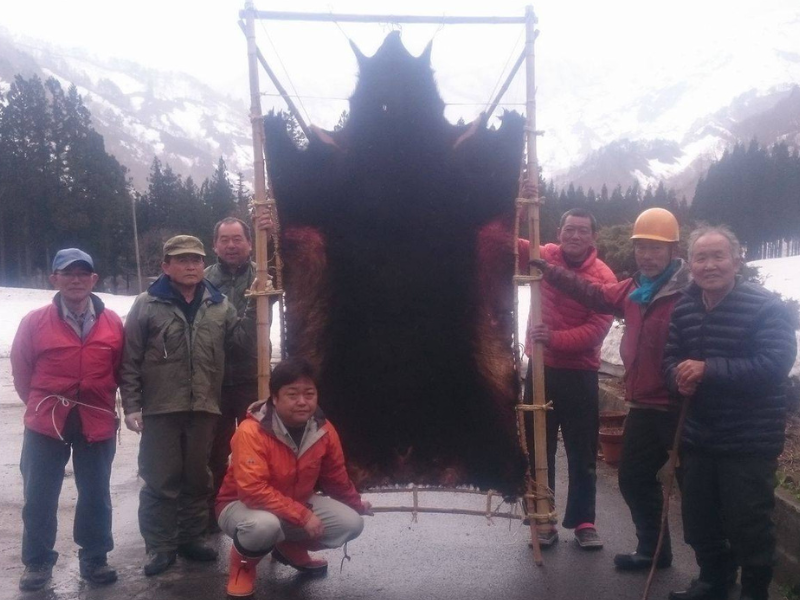
For the Matagi, not only bears but also mountain vegetables and mushrooms are gifts from the mountain deity. This belief remains the spiritual foundation of their way of life.
A Place Where “Welcome Back” Feels Just Right
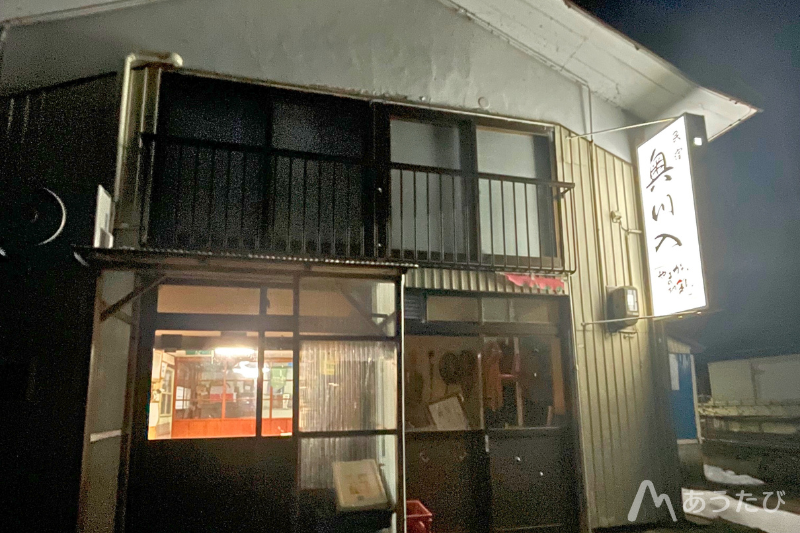
You won’t just be staying somewhere—you’ll be returning. The family who runs this guesthouse has lived as Matagi for generations. There’s no grand welcome, yet stepping inside feels reassuring—like returning to a familiar place.
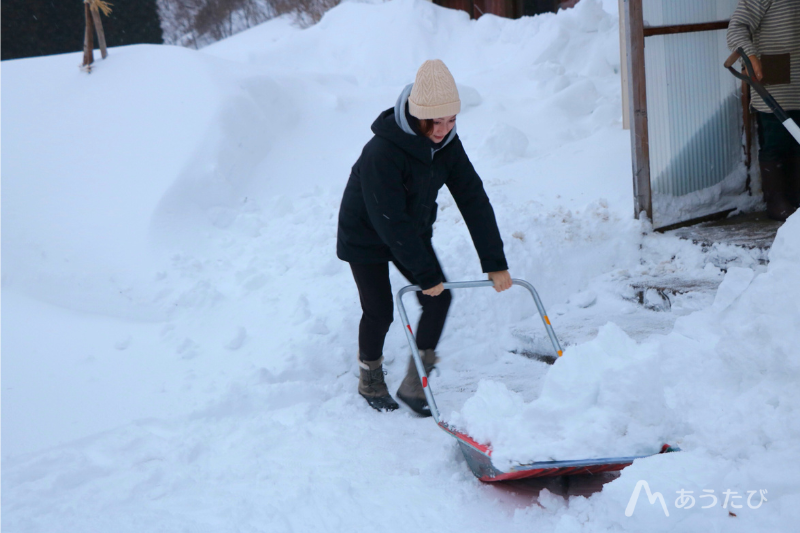
You will share meals at the family table, chatting about the day’s happenings. It feels like visiting your countryside home after a long time. Even though you’re traveling, it’s a place where you can fully relax.
Life Around the Table
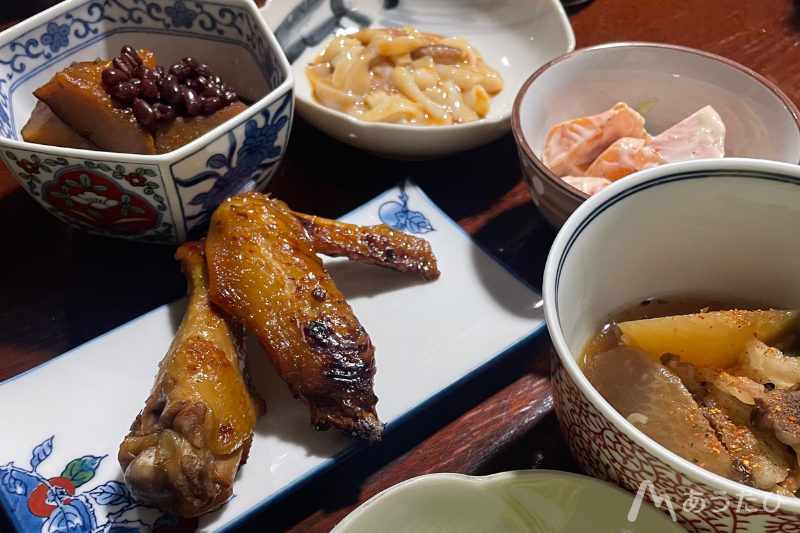
Dinner is one of the highlights of the experience.
The Yokoyama family prepares home-cooked meals using local ingredients gathered from the mountains and fields.
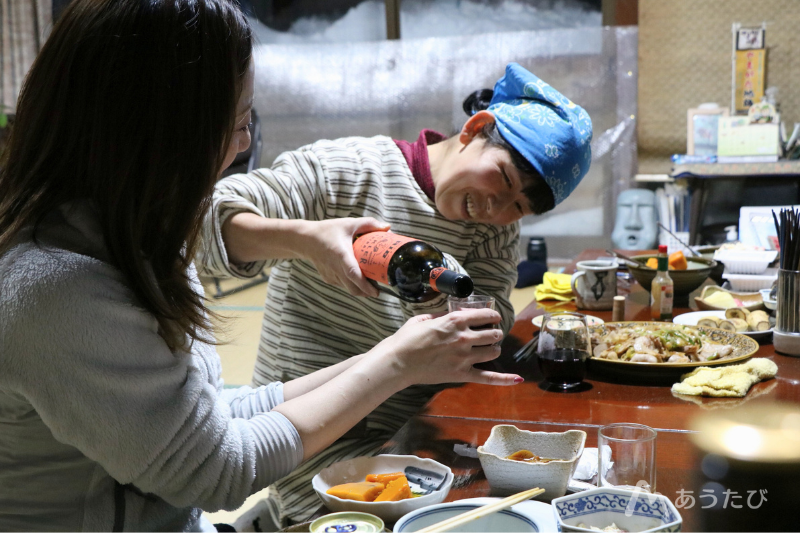
The dishes are simple and nourishing—bear soup and other wild game dishes, Yamagata jidori chicken raised by Taku, homegrown vegetables and rice, and seasonal mountain plants and mushrooms.
As you share the meal, conversation flows naturally.
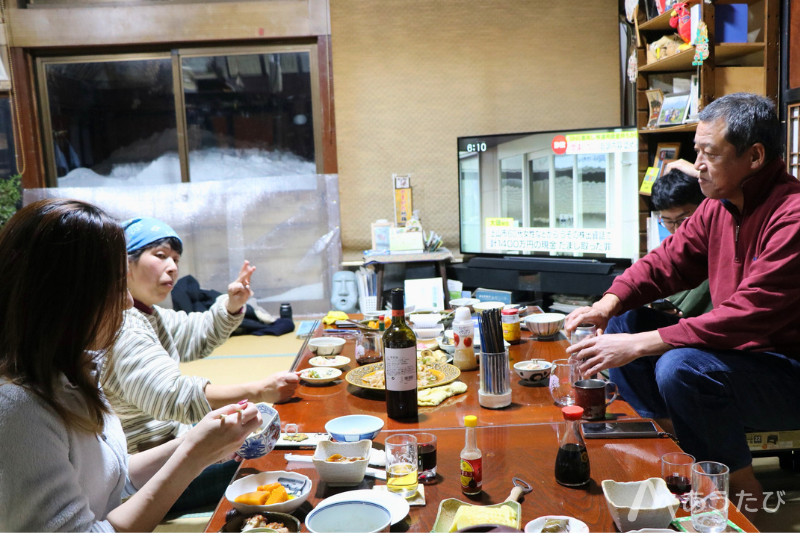
You may hear stories about life in the mountains, the traditions that have been passed down through generations, and the everyday realities of living close to nature.
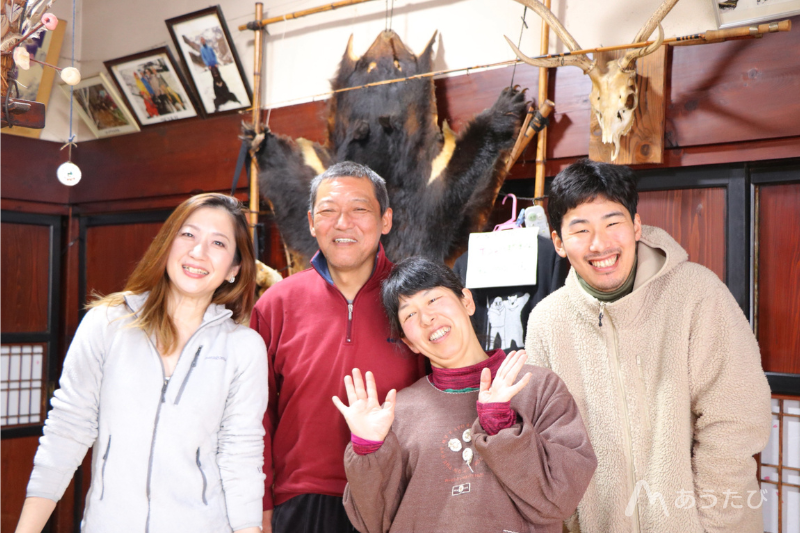
Through these conversations, you will discover that the Yokoyama family’s way of life is itself a form of culture.
What you take from this journey is not only photographs or memories, but also a new perspective on nature, relationships, and the rhythm of daily life.
Seasonal Experiences
(Example: A Winter Walk in the Snowy Mountains)
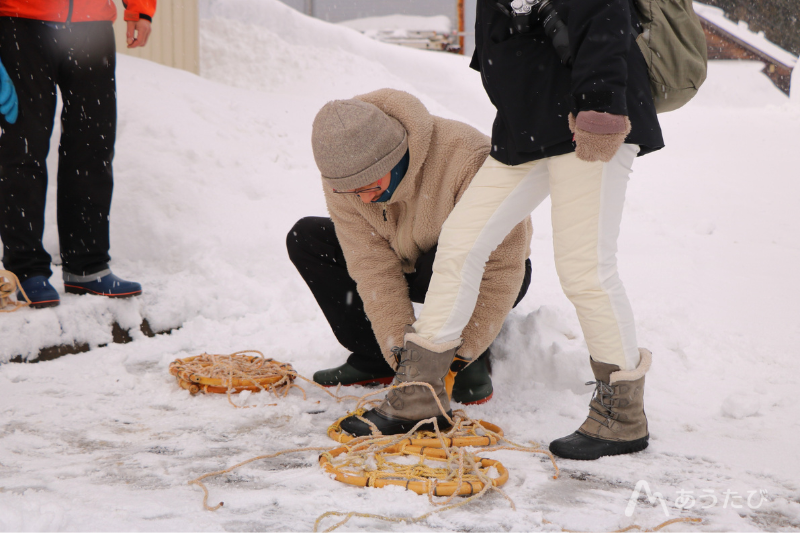
Life in Oguni changes dramatically with the seasons, and each time of year offers a different way to experience the mountains.
On a quiet winter day, you may head into the forest with Ryūzō as your guide.
Wearing kanjiki (traditional snowshoes), you walk slowly through the snow, paying attention to what lies beneath your feet and around you.

Animal tracks appear on the snow.
“Here’s a fox.”
“This one might be a marten.”
As Ryūzō points them out, you begin to notice the small signs of nature—things you might normally pass by without seeing..
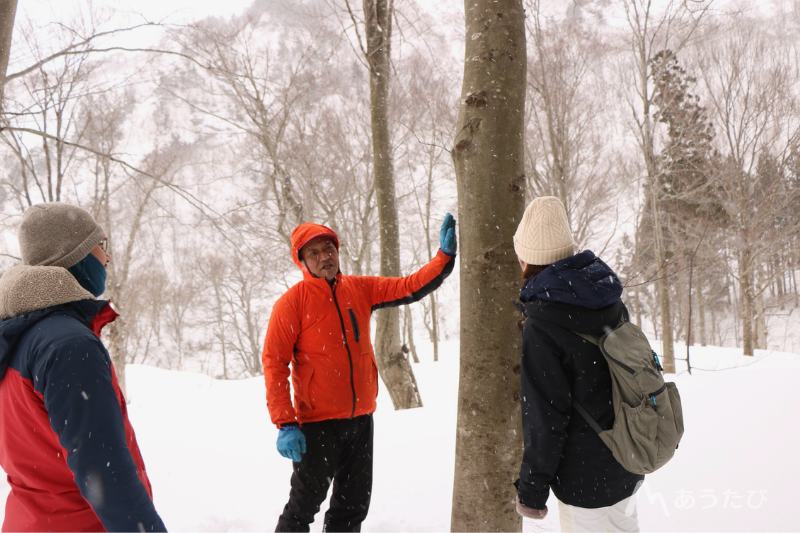
Along the way, you will hear stories about the forest, the animals, and how people in this region have lived alongside nature for generations.
Simply walking and listening becomes a surprisingly rich experience.
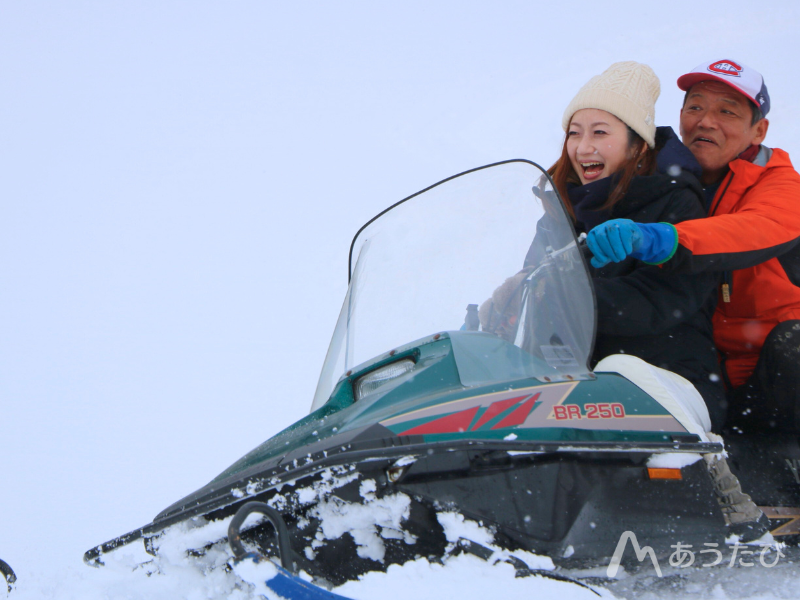
On some days, you may also have the chance to ride a snowmobile, feeling the cold mountain air as you travel through the snowy landscape.
In Oguni, the changing seasons are felt clearly—very different from life in the city. It is the kind of place that naturally makes you think:
“I’d like to come back in another season.”
Note: Day 2 activities vary depending on the season. Please discuss available experiences with the Yokoyama family during your stay.
Who This Experience Is For
This experience is ideal for travelers who want to connect with rural life in Japan.
You may especially enjoy it if you:
・are interested in traditional culture and mountain life
・enjoy meeting local people and sharing meals
・appreciate nature and slow travel
No special skills or physical fitness are required. Activities are relaxed and adjusted depending on the season and weather.
Schedule
Day1
Here is an example schedule for your stay.
| Time | Activities | Meals |
|---|---|---|
| Afternoon | Check-in at Minshuku Okukawairi (from 15:00) If arriving by car or rental car, please arrive by around 17:00. If arriving by bus, pick-up is available from a nearby bus stop (advance notice required). Public transportation example: Yonezawa 12:16 → transfer at Imaizumi 12:45 / 12:55 → Oguni 14:06 • Welcome from the Yokoyama family • Self-introductions • Option to help with small tasks around the house • Walk around the surrounding area (with beautiful views of the Iide Mountain Range) | |
| 18:00 | Dinner with the Yokoyama Family Share dinner while talking about Matagi life and everyday living in Oguni. The meal features homemade dishes centered on ingredients from the mountains: wild game such as bear soup, Yamagata jidori chicken raised by Taku, homegrown vegetables and rice, and seasonal mountain vegetables and mushrooms. You may also have the chance to watch a documentary featuring Ryūzō and Taku, which offers a deeper look into Matagi culture and life in Oguni. | |
| 20:00 | Dinner Concludes After dinner, relax at the guesthouse or enjoy drinks with your hosts. |
Day2
| 08:00 | Breakfast A homemade breakfast featuring local vegetables, mountain plants, and other seasonal ingredients. | |
| 09:00 | Experience Everyday Life in Oguni Seasonal activities are guided by the Yokoyama family. Please discuss available options and your interests with them the day before. Examples of seasonal activities: • May–June: Foraging for wild mountain vegetables (fukinoto, kogomi, koshiabura, tara buds, itadori, shiode, etc.) • June: Bracken picking in Okukawairi’s dedicated fields • July: Stream fishing (fishing permit required) • Aug–Sep: Playing and relaxing by the river • Late Sep–Oct: Rice harvesting • Late Aug–Early Nov: Mushroom foraging in the mountains • Nov: Autumn foliage mountain walk with a Matagi guide • Dec–Mar: Snow walk with kanjiki snowshoes, animal track spotting, and snowmobile experience • Late Feb–Mid Mar: Firewood splitting Other experiences may include making takuan pickles, preparing fermented salmon narezushi, caring for chickens, or harvesting vegetables—offering a glimpse into the Yokoyama family’s daily life. | |
| 13:00 | Lunch and Departure The experience concludes after lunch. Guests are welcome to visit again in another season. Public transportation example: Oguni 14:35 → Imaizumi 15:40 / 16:26 → Yonezawa 16:59) |
Note: Times are approximate. The schedule and activities may change depending on local conditions or the pace of the experience.
【Tour Details】
| Available Period | Year-round (check-in from 15:00) |
|---|---|
| Price | JPY 36,000 per person (2 or more participants) JPY 38,000 for solo participation |
| Included | • 1 night accommodation • Meals: 1 breakfast, 1 lunch, 1 dinner • Seasonal experience activities • Travel accident insurance |
| Location | Minshuku Okukawairi 576 Kotamagawa, Oguni-machi, Nishiokitama-gun, Yamagata 999-1522, Japan(Google Maps) *If visiting by car in winter, winter (studless) tires are required due to heavy snowfall in the region. |
| Access | About 1 hour 30 minutes by car from Yonezawa Station or Akayu Station. Pick-up is available from JR Oguni Station or the Oguni Town Bus / Iide Umenokawa-sō bus stop for guests arriving by public transportation. |
| Minimum Participants | 1 person (maximum 4) |
| What to Wear | Comfortable clothing suitable for outdoor activities |
| What to Bring | In winter, waterproof warm clothing, boots, and gloves are recommended. |
| Cancellation Policy | • From 20 days before: 20% of the tour price • From 10 days before: 50% of the tour price • Same day / no-show: 100% of the tour price |
| Booking Deadline | 7 days before the tour date |
| Payment Method | Bank transfer or credit card (VISA, MasterCard) Detailed payment instructions will be sent by email after booking. |
| Additional Information | The house is located in a rural farming area, and stink bugs (kame-mushi) may occasionally appear indoors during certain seasons. Please treat them kindly as part of the Okukawairi household. |
| Additional Notes | The experience is conducted primarily in Japanese. |
Reservation Request
Bookings are initially accepted as reservation requests. Availability will be confirmed with the host, and you will be notified once the reservation is confirmed.