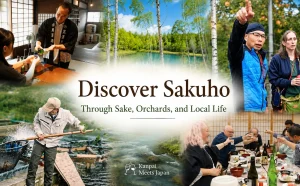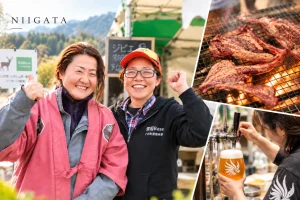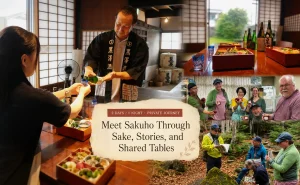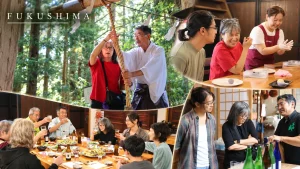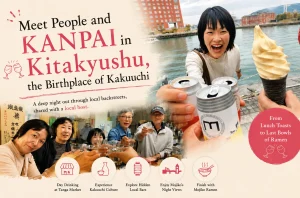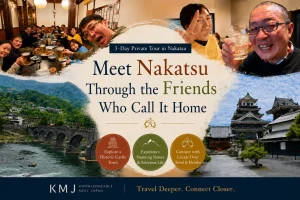
This is not a fixed-schedule group tour. Each journey is privately arranged based on your interests and preferred travel dates. To respect the daily lives and work schedules of local hosts, brewers, farmers, and artisans, the itinerary is customized for every booking. Tours are available for groups of two or more guests. Please feel free to contact us to discuss your travel plans.
Meet the People Shaping Namie Today
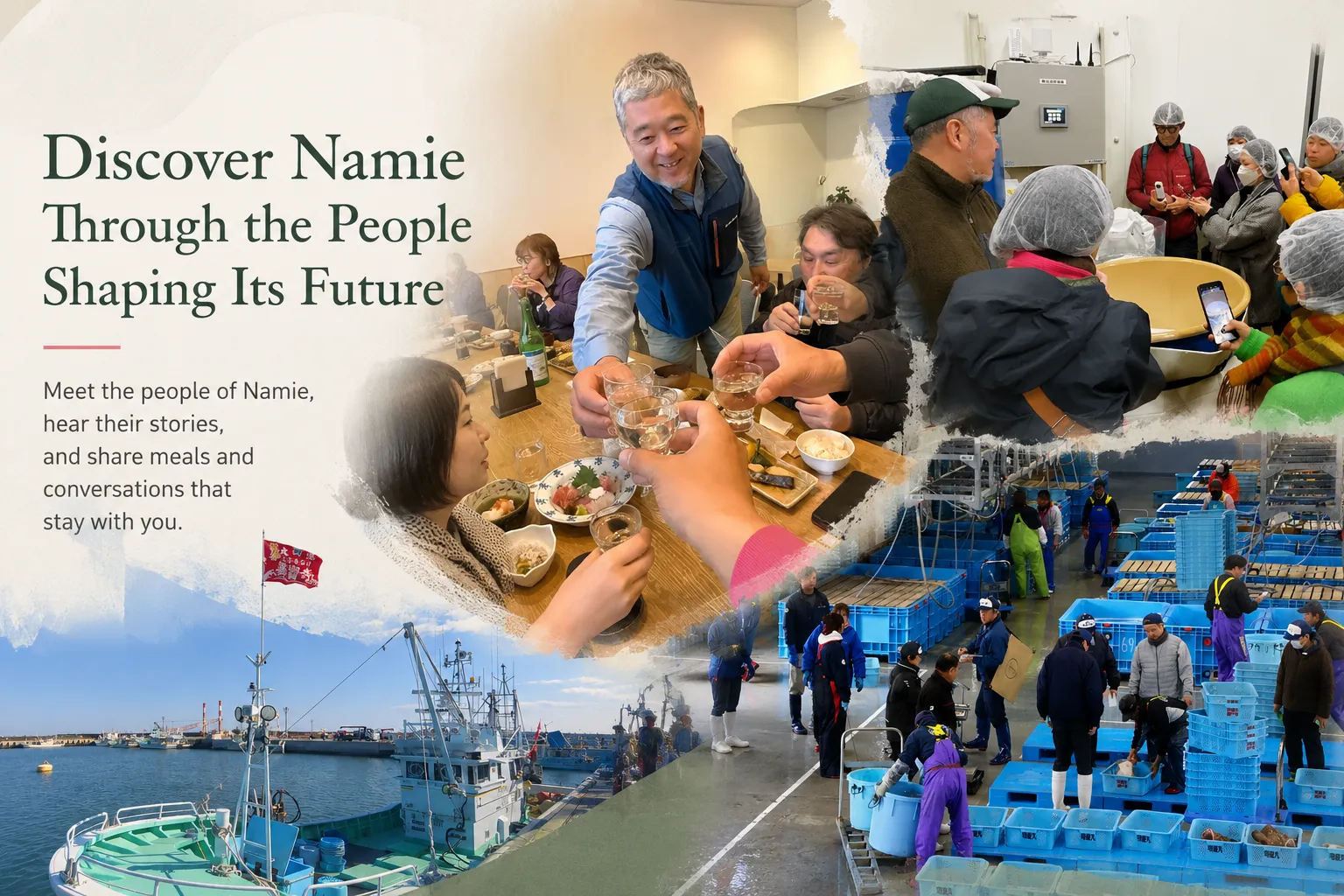
People here brew sake, craft pottery, protect the sea, and cultivate the land. Through their daily work, they are helping shape Namie’s future.
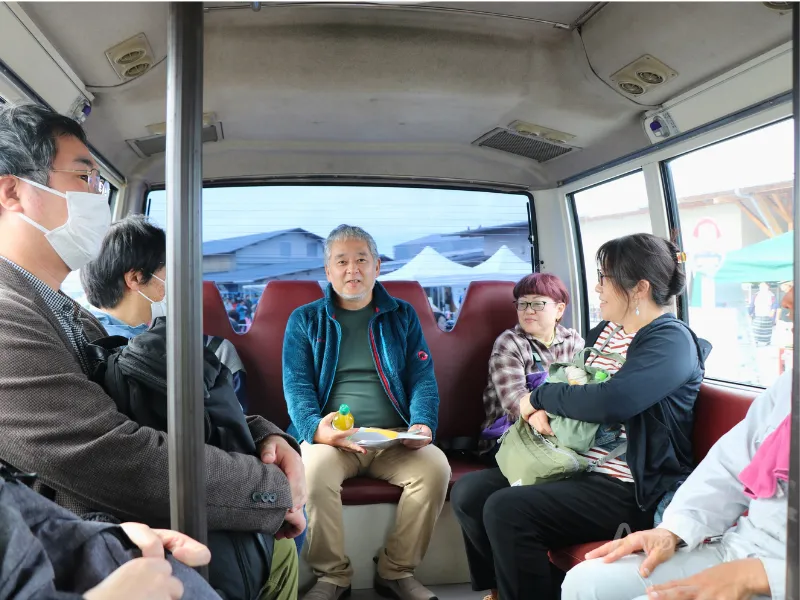
This journey goes far beyond visiting places connected to the Great East Japan Earthquake and the Fukushima nuclear disaster. It is an opportunity to spend time with the people who live and work here, hear their stories, and be welcomed into the relationships and everyday life that continue to shape Namie today.
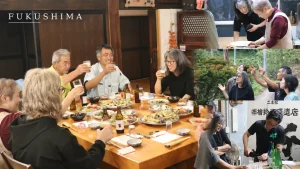
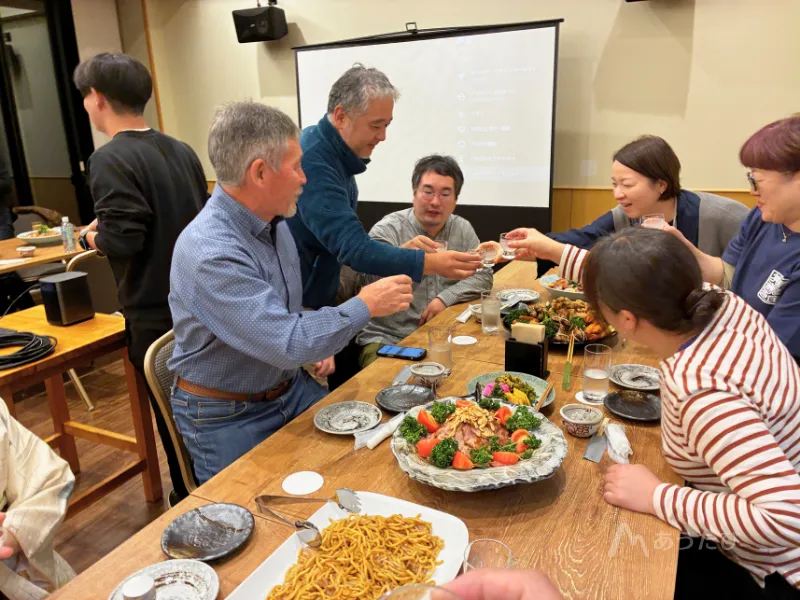
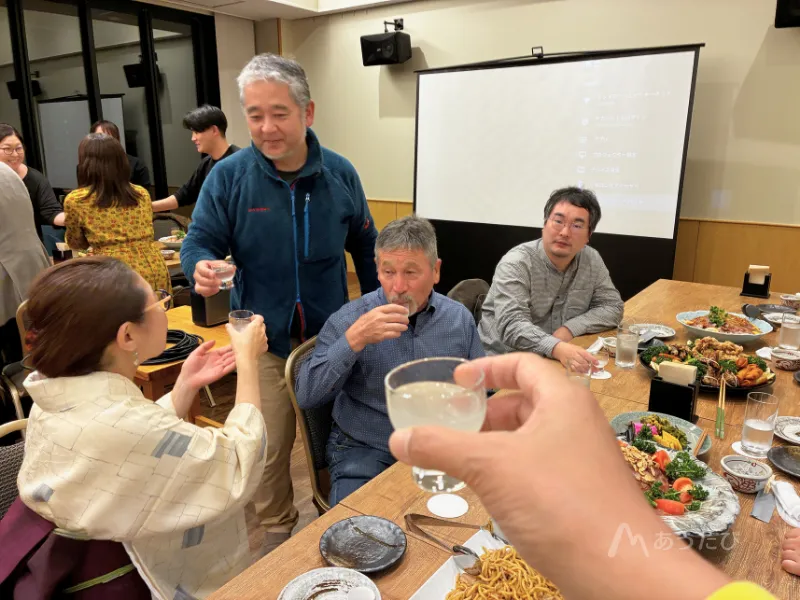
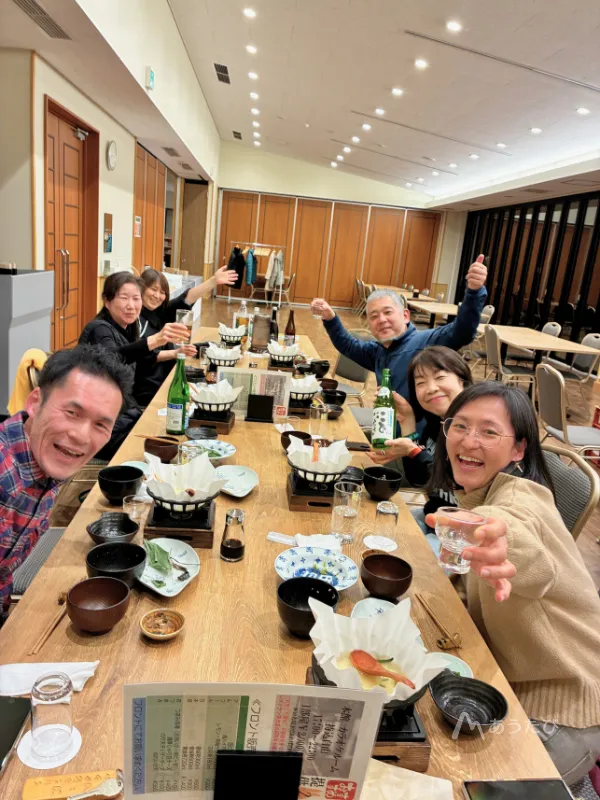
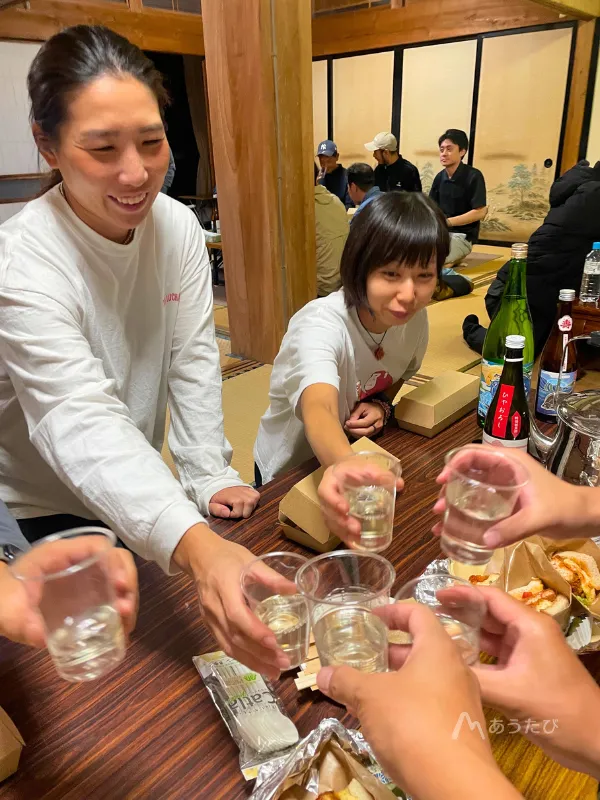
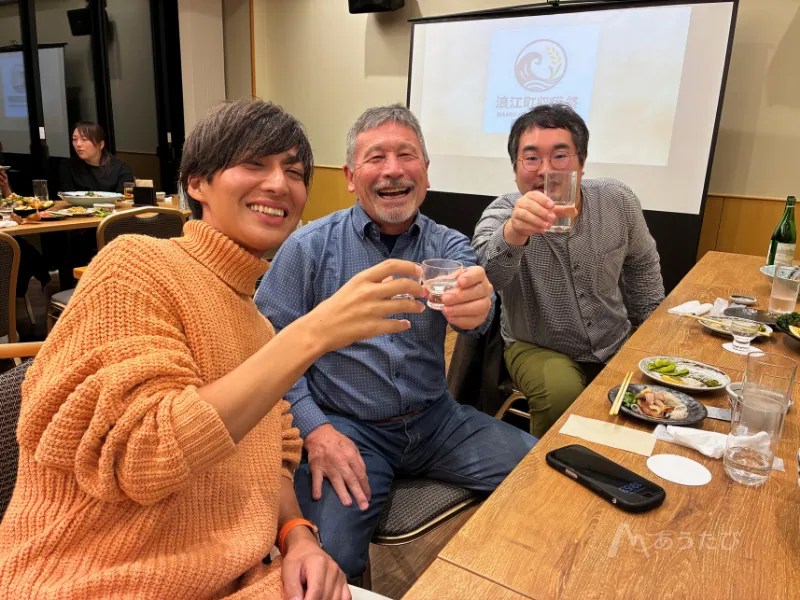
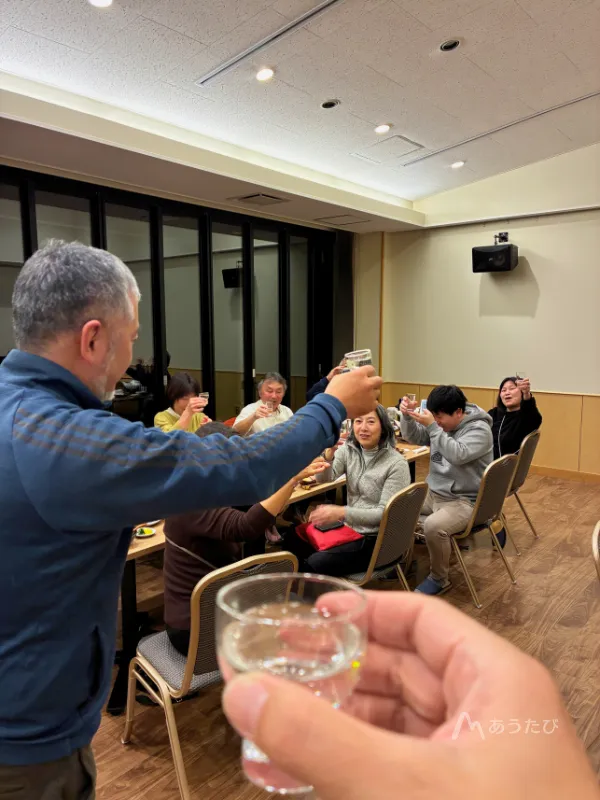
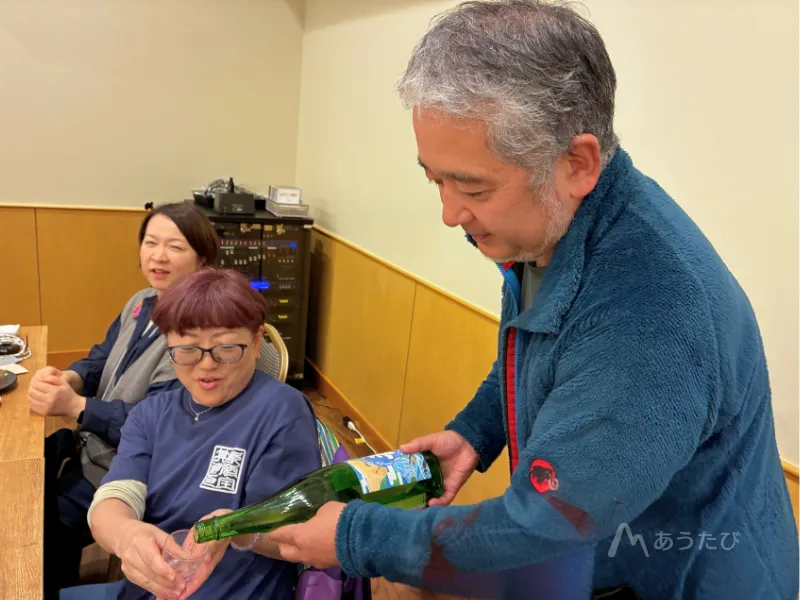
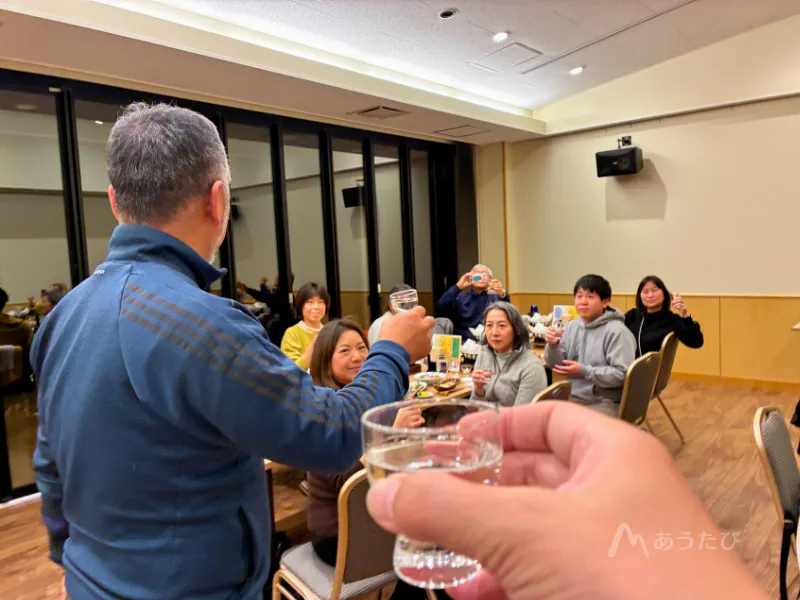
As one introduction leads to another, you’ll gradually find yourself becoming part of the conversations unfolding around you. By evening, you’ll gather around the table to share local food, sake, and stories with the people you’ve spent the day getting to know.
Through these shared moments, you’ll discover a side of Namie that can’t be understood through statistics or news reports alone.
Where This Journey Fits into Your Japan Itinerary
Many travelers explore Tokyo, Sendai, or other destinations across Tohoku, but few venture to the Pacific coast of Fukushima, where local communities continue to shape a new future.
Namie fits naturally into a wider journey through Tohoku. Spend two nights meeting sake brewers, artisans, fishermen, and local residents whose work and determination are helping to shape the town’s future.
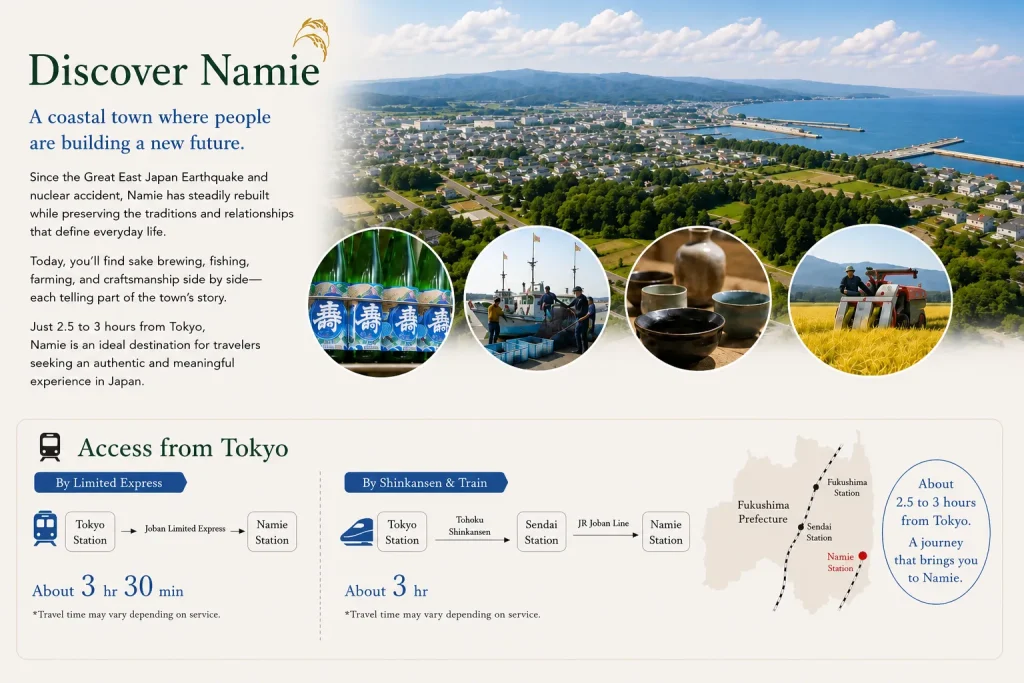
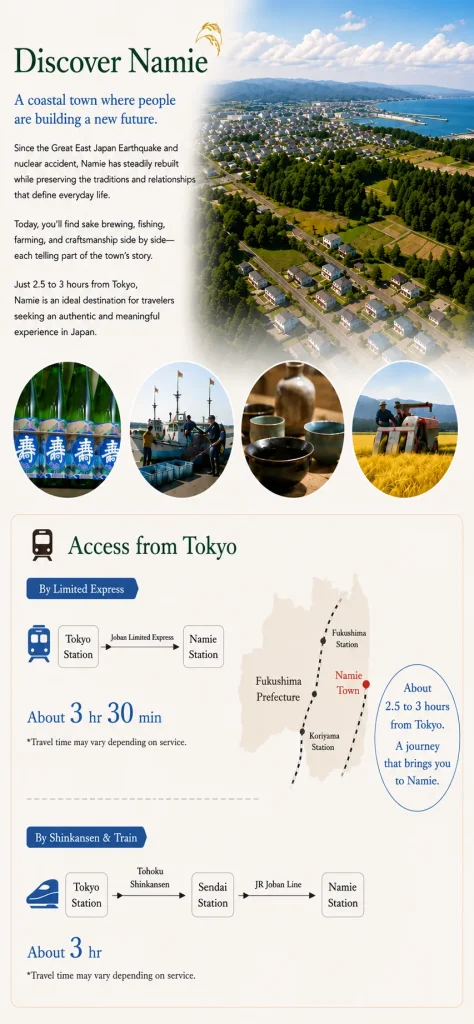
Easily reached by the Tohoku Shinkansen (Hayabusa / Yamabiko) and the JR Joban Line, Namie is a meaningful addition to a journey through Tohoku, offering experiences and personal connections found nowhere else.
One Example of a Tohoku Itinerary
Tokyo
↓
Tohoku Shinkansen (Hayabusa / Yamabiko)
↓
Sendai
↓
JR Joban Line
↓
Namie
(2 Nights with Kanpai Meets Japan)
↓
Continue your journey through Tohoku
This is just one example of how this journey can be included in a wider trip through Tohoku. You’re welcome to start or end your journey wherever it best fits your travel plans.
Perfect for Travelers Who…
- Are planning a 10–14 day trip to Japan
- Want to discover a different side of Tohoku beyond the major tourist destinations
- Enjoy meaningful conversations, local food, and stories of resilience, craftsmanship, and community
- Prefer immersive, small-group journeys over traditional sightseeing
Why You’ll Love This Journey
Meet the people rebuilding Namie’s future through sake, pottery, fishing, and farming
Walk beside local people whose personal stories reveal a side of Namie beyond the headlines
Be welcomed into the community as one introduction naturally leads to the next
Share local food, sake, and conversations around the table with the people you meet
Only Through KMJ
Our journeys are built on relationships with the people who live here. These connections open doors to experiences that are rarely available to ordinary visitors.
Walk Namie with Someone Who Lived Its History
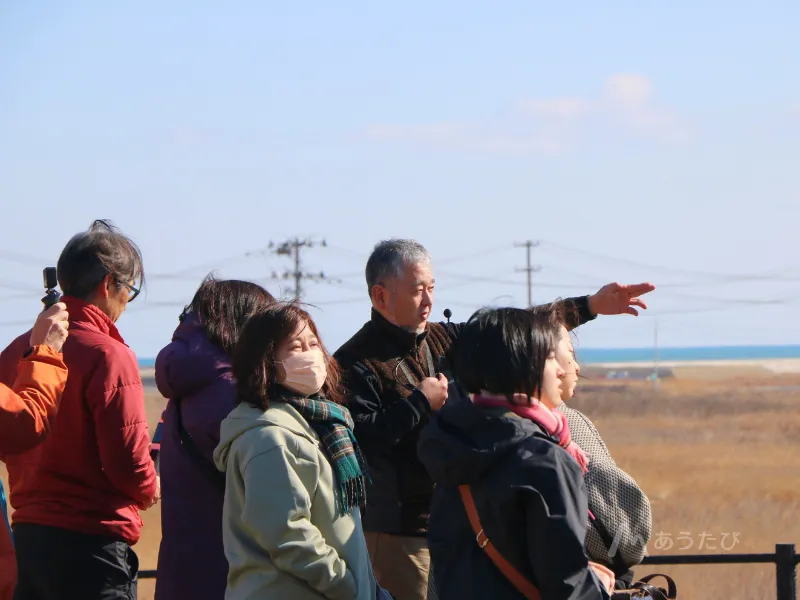
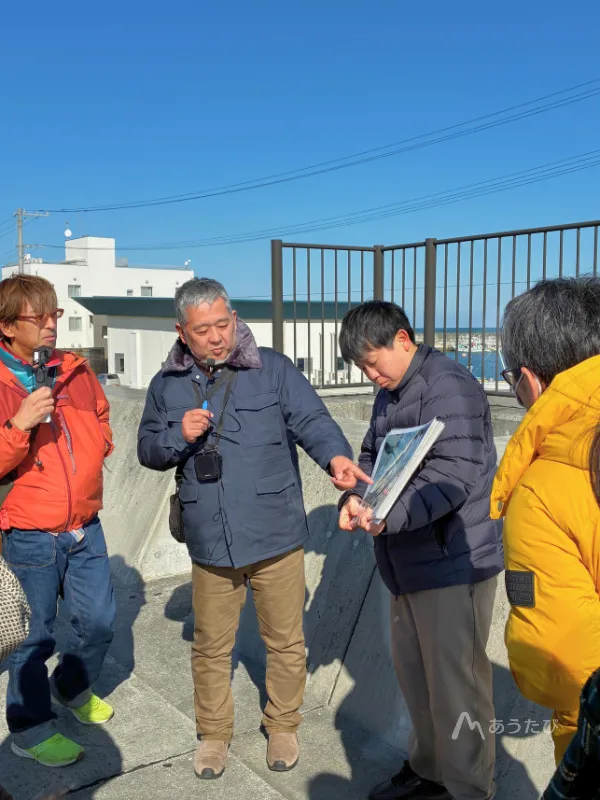
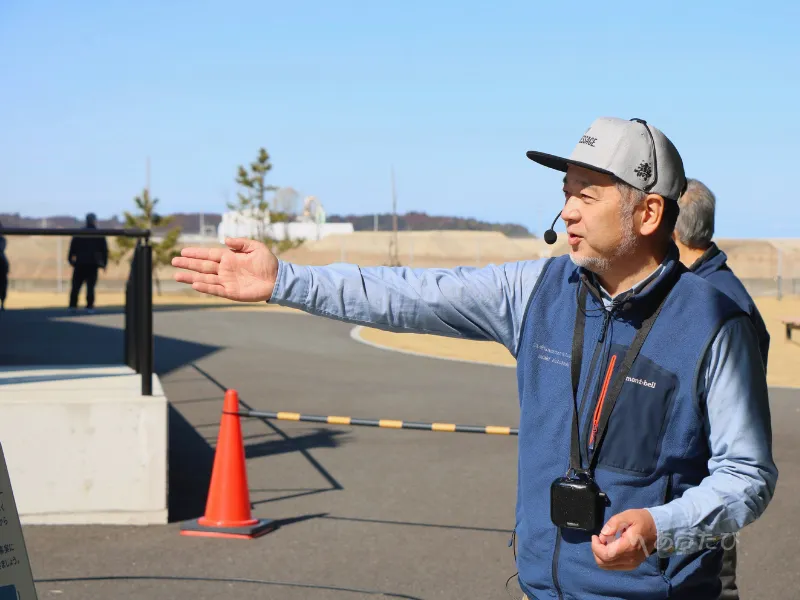
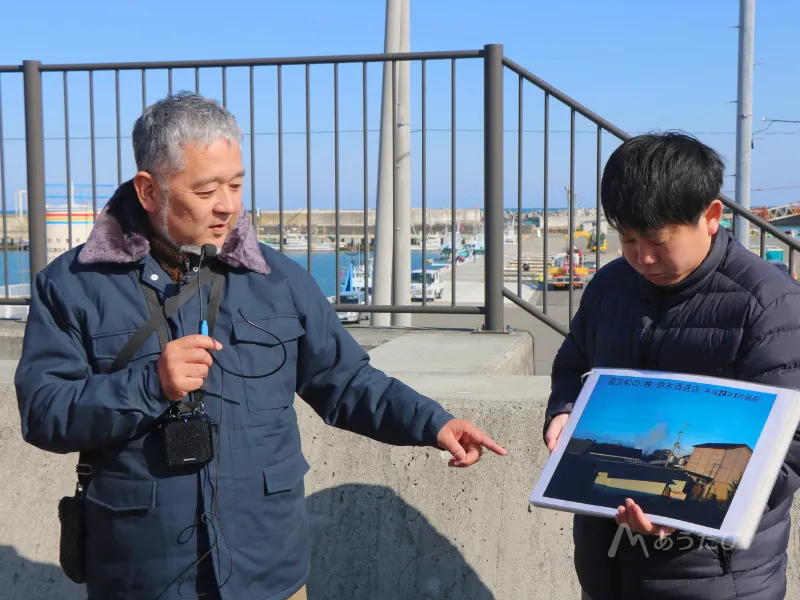
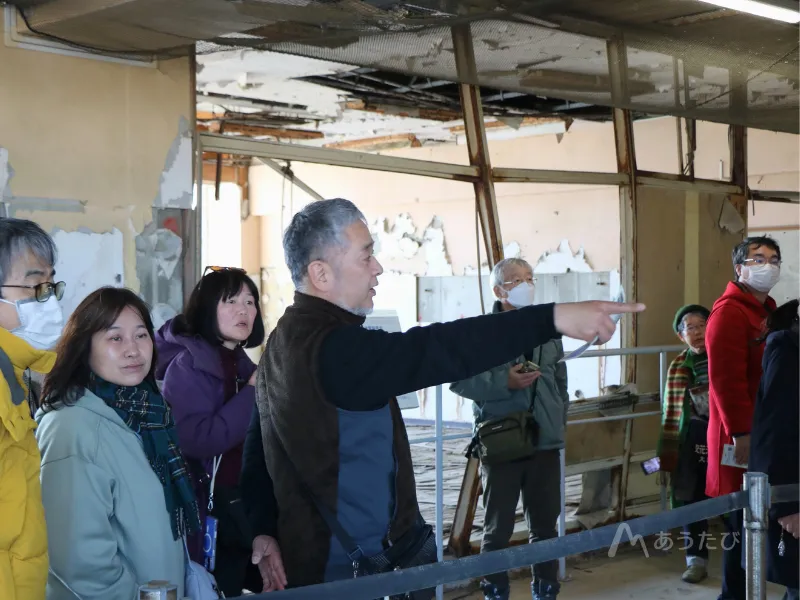
Walk through Namie with sake brewer Daisuke Suzuki as you visit earthquake memorial sites and the former location of his family’s brewery. Rather than hearing history from a guide, you’ll hear it from someone who experienced it and continues to shape the town’s future.
An Evening Around Daisuke’s Table
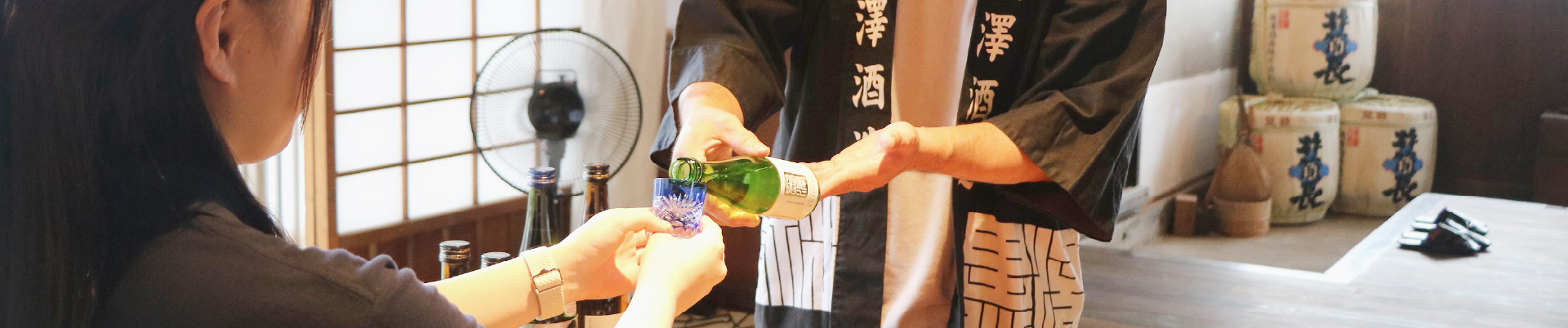
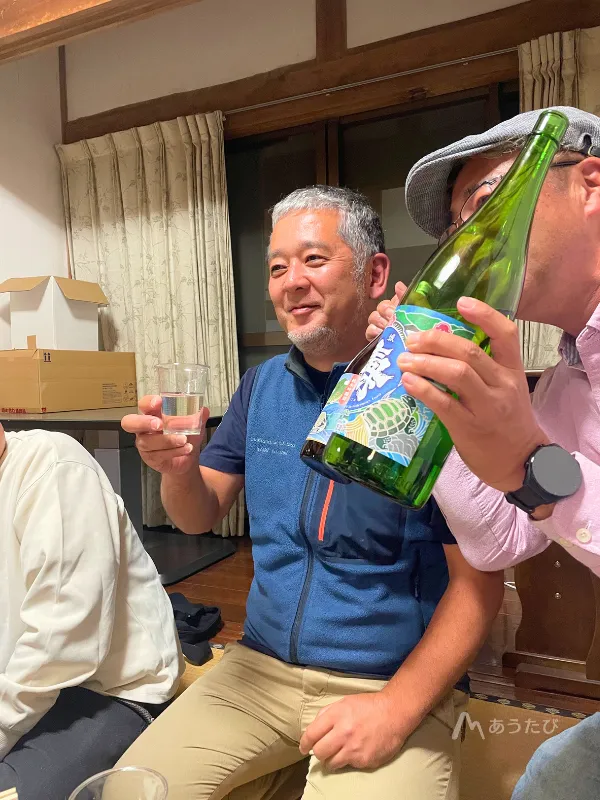
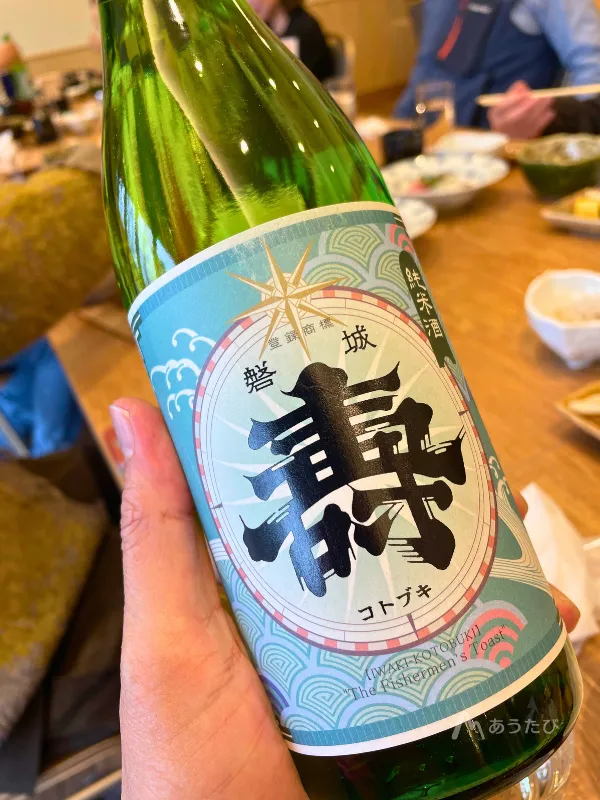
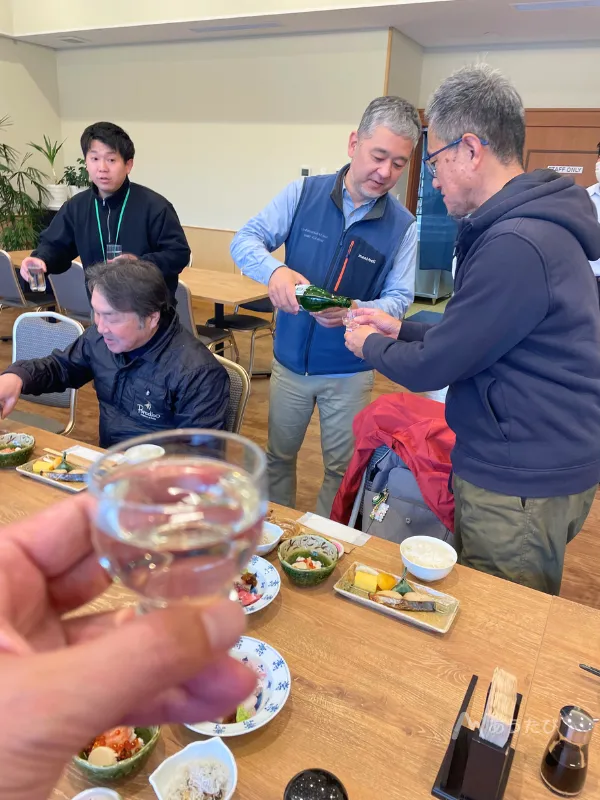
Share local dishes and enjoy Daisuke Suzuki’s sake around the same table. As the evening unfolds, conversations naturally move from brewing and food to Namie’s past, present, and hopes for the future.
Meet the People Shaping Namie’s Future
Visit local farmers, potters, and seafood professionals through relationships built over many years. Depending on the season and the people available, each journey offers opportunities that can’t be planned from an itinerary alone.
Discover Craft Traditions Through the People Who Keep Them Alive
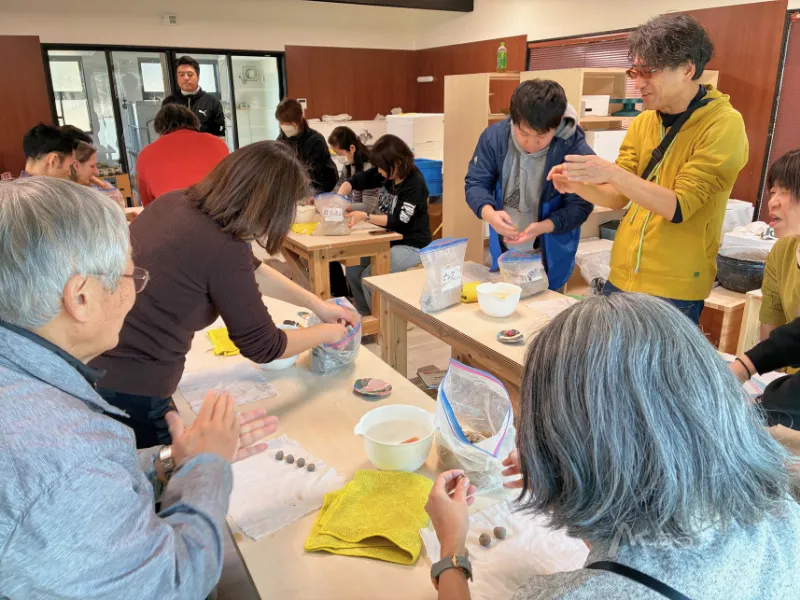
Spend time with the Kondo family at Tokichiro Kiln, hear how Obori Soma Ware returned to Namie after the disaster, and experience the tradition for yourself through a hands-on pottery workshop.
Meet the People Behind Namie’s Future
A Sake Brewer Bringing People Together
Daisuke Suzuki
President, Suzuki Sake Brewery
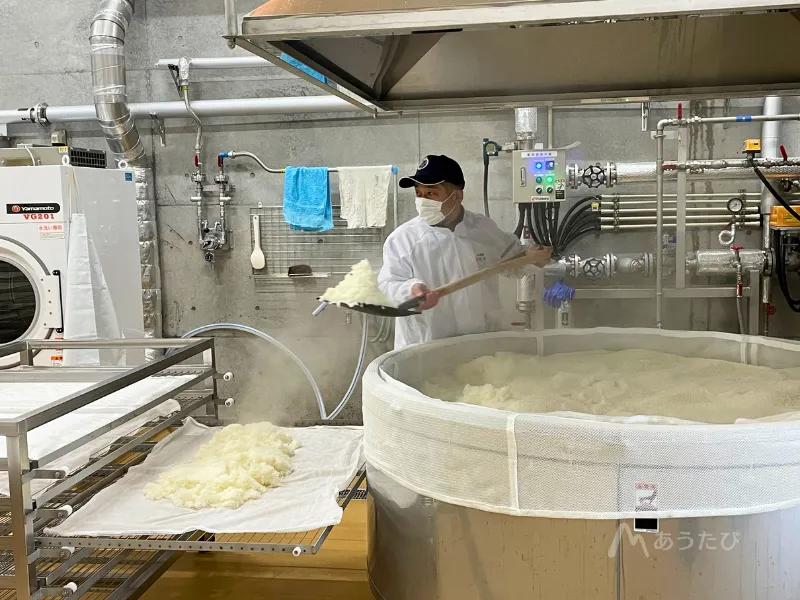
Suzuki Sake Brewery has been making sake in Namie’s coastal Ukedo district since the Edo period. Its signature sake, Iwaki Kotobuki, has long been part of local life, shared to celebrate abundant catches and other joyful occasions in this fishing community.
After studying in Tokyo and training at a sake brewery in Nara, Daisuke Suzuki returned home in 1999 to carry on his family’s brewing tradition.
In 2011, the Great East Japan Earthquake and tsunami completely destroyed the brewery. The nuclear disaster then forced Suzuki and his family to evacuate to Nagai in Yamagata Prefecture. Encouraged by people who told him they were still waiting for Namie’s sake, he resumed brewing in Nagai.
In 2021, Suzuki finally fulfilled his long-held goal of making sake in Namie again. Today, he travels between the breweries in Namie and Nagai, continuing to brew in both communities he now calls home.
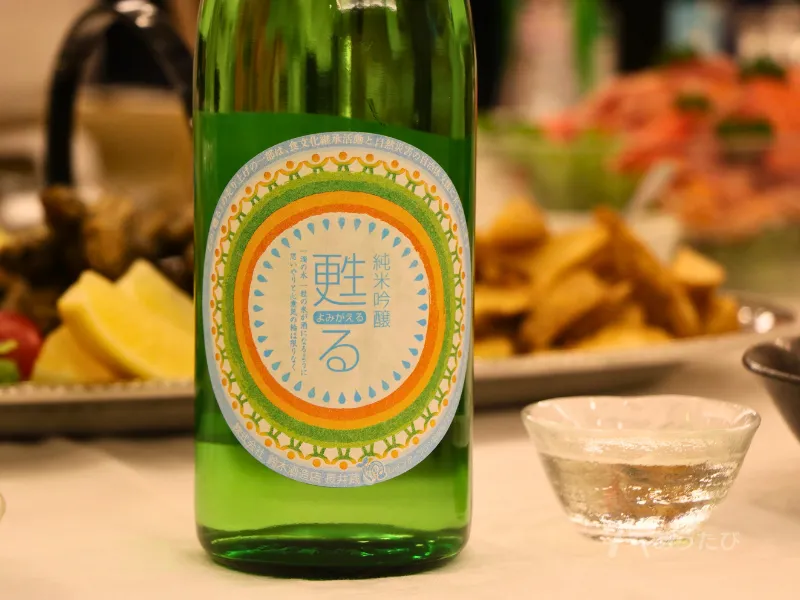
For Suzuki, making sake is about more than producing a drink. He believes the best way for people to understand Namie is to visit and experience it for themselves. Working with local producers and chefs, he organizes food events that introduce visitors to the town and its flavors. His belief remains unchanged: sake brings people together and gives them a way to share moments of joy.
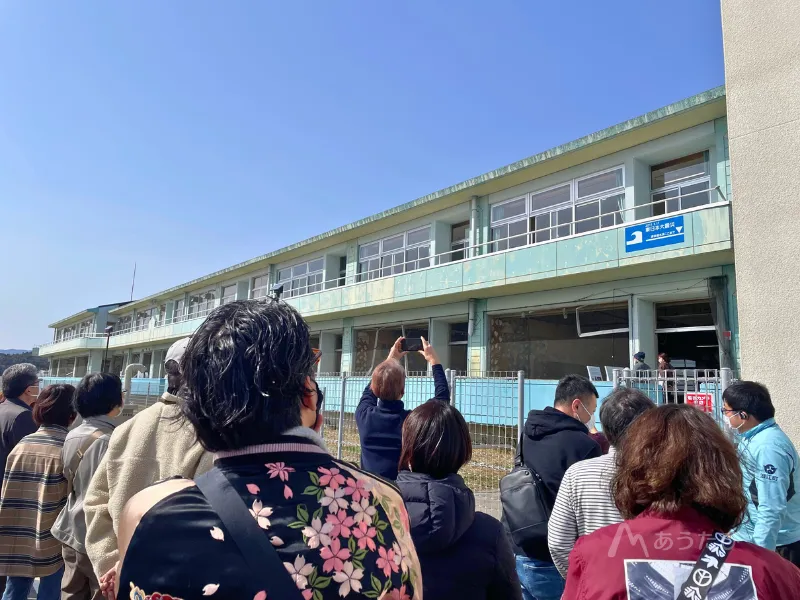
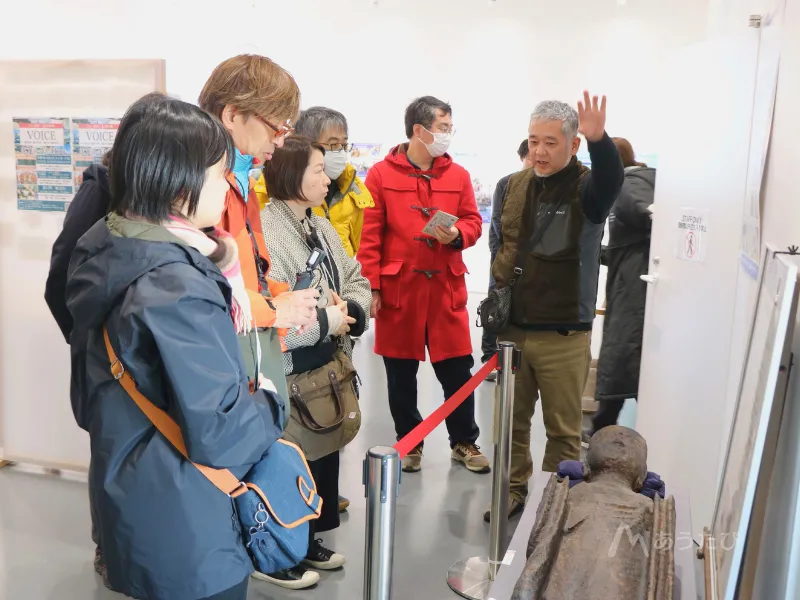
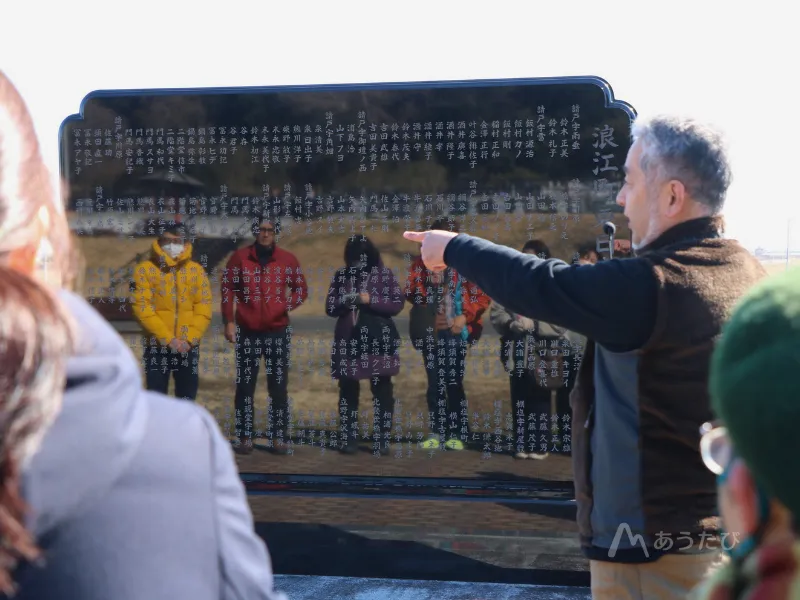
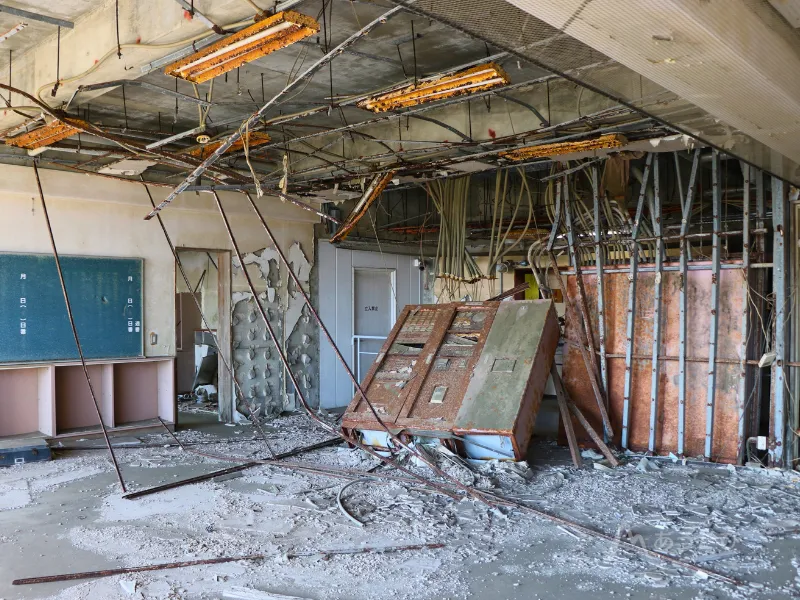
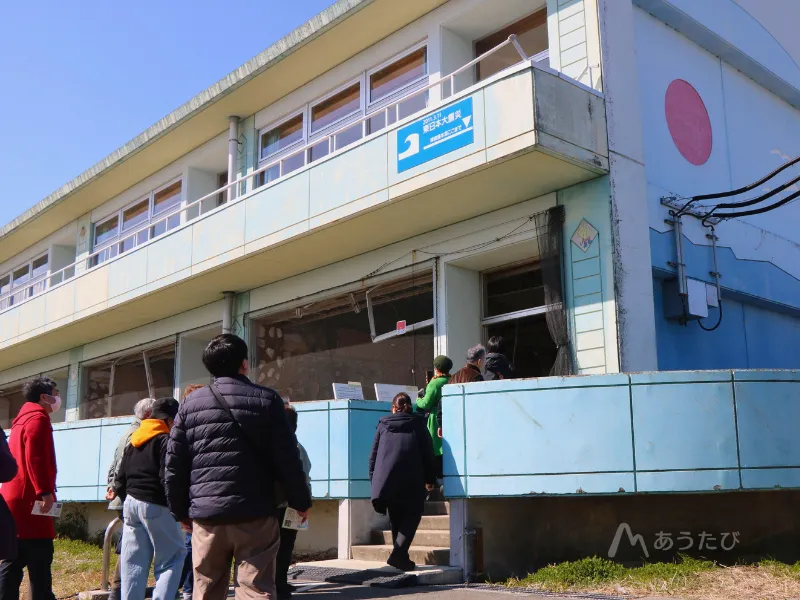
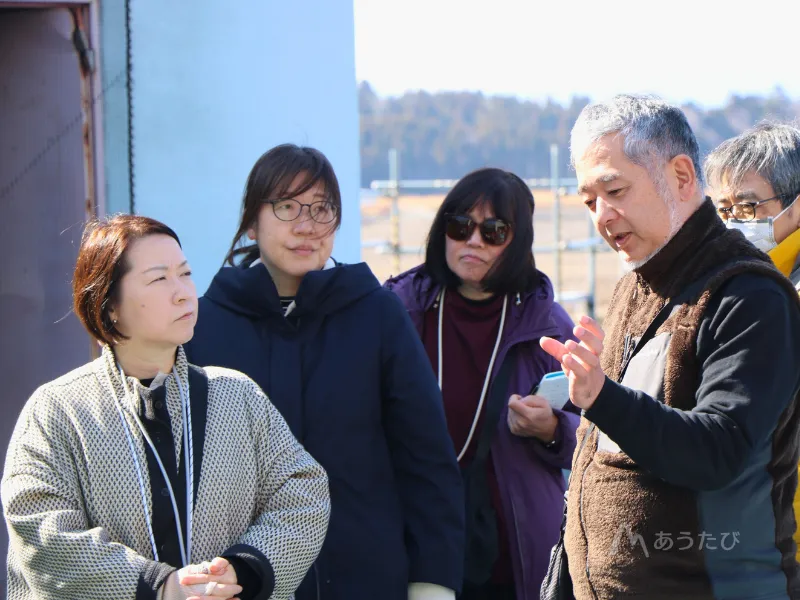
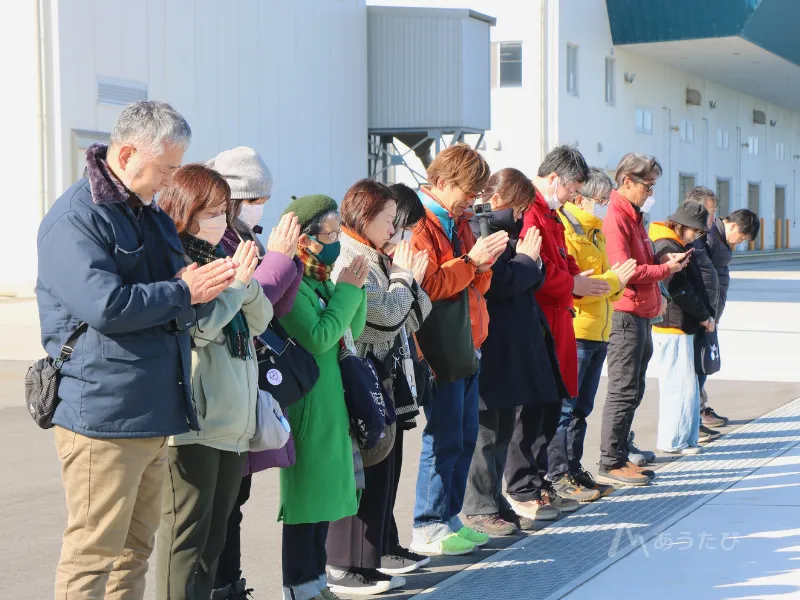
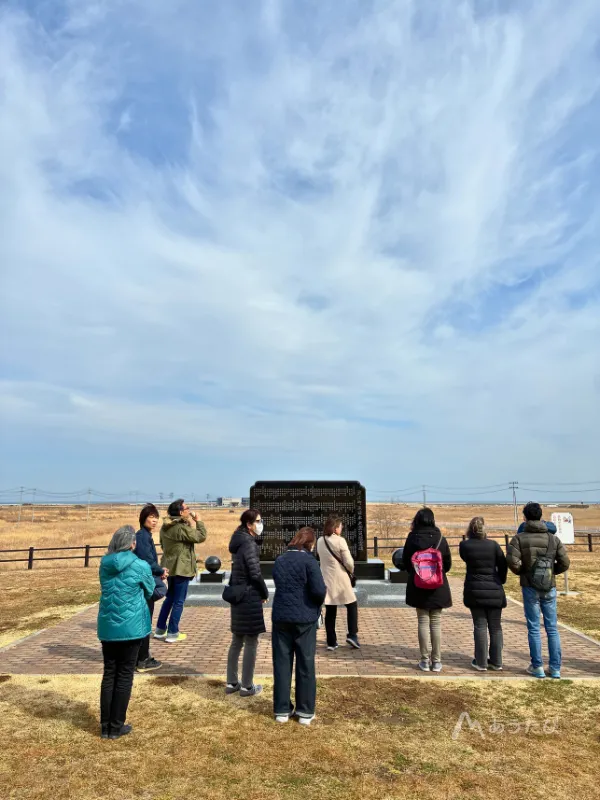
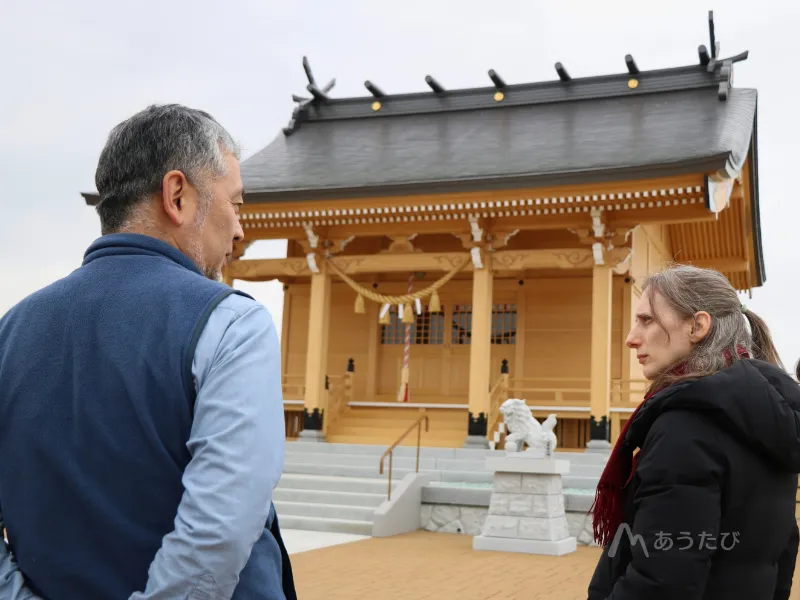
On this journey, you will walk through Namie with Suzuki. Together, you will visit earthquake memorial sites and the former location of his brewery. As you explore, he will share what happened on March 11, 2011, how the town has changed since then, and what Namie and its people mean to him.
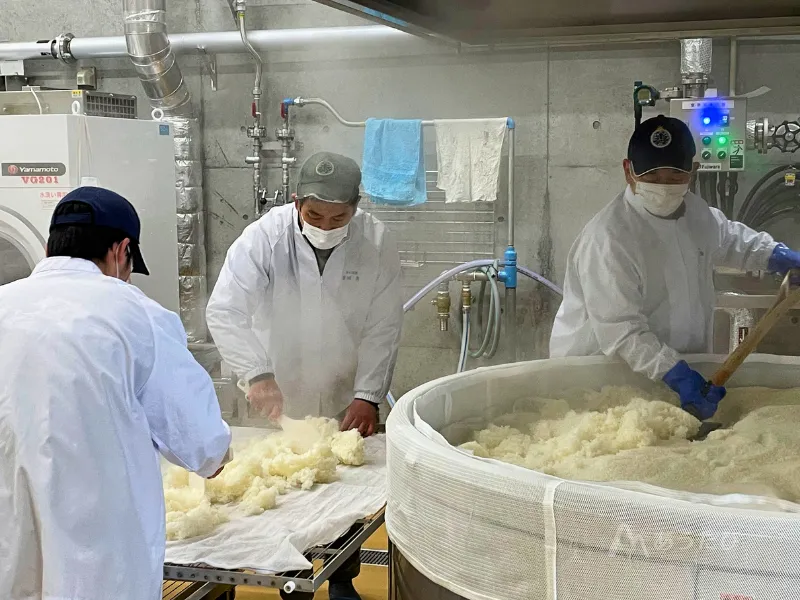
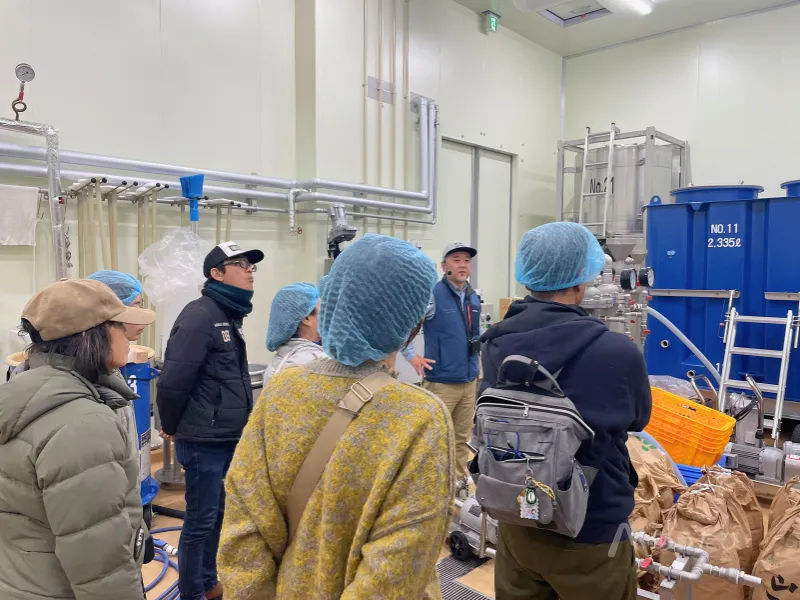
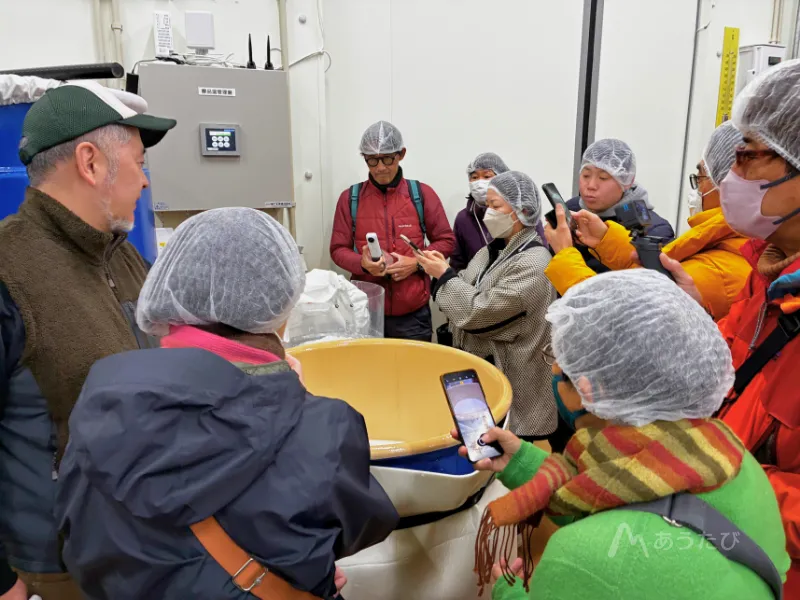
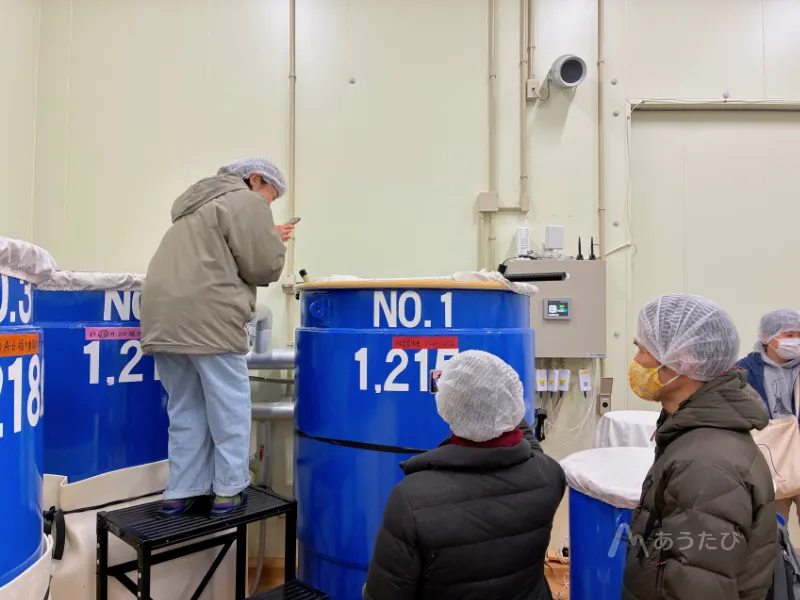
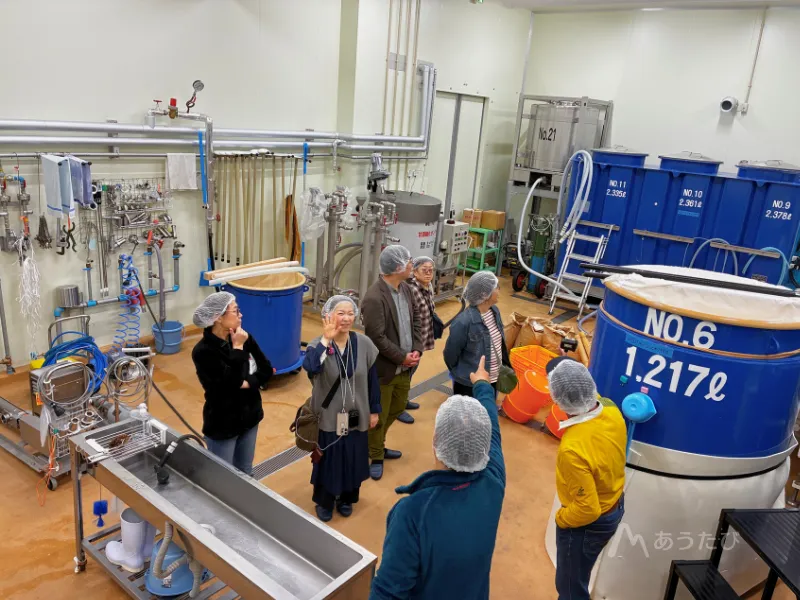
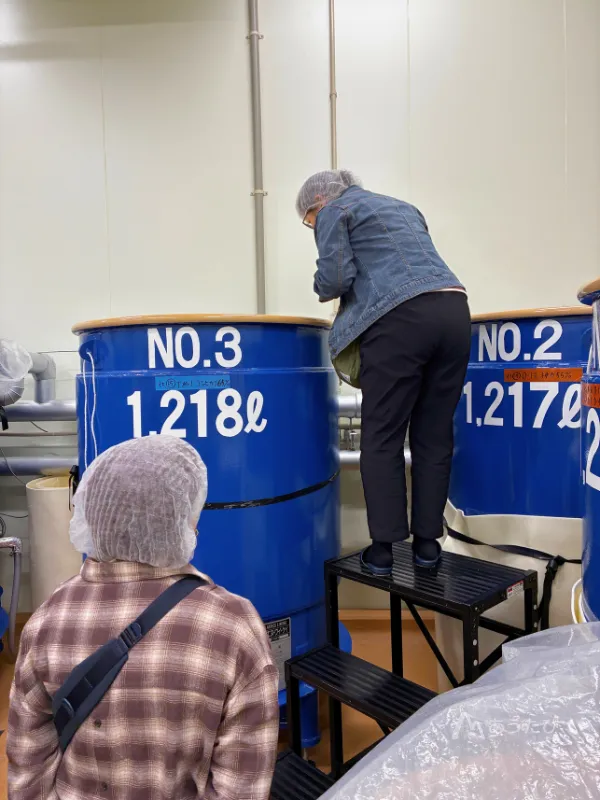
You will then visit Suzuki Sake Brewery’s Namie brewery to learn about his approach to sake making and the new projects he is pursuing.
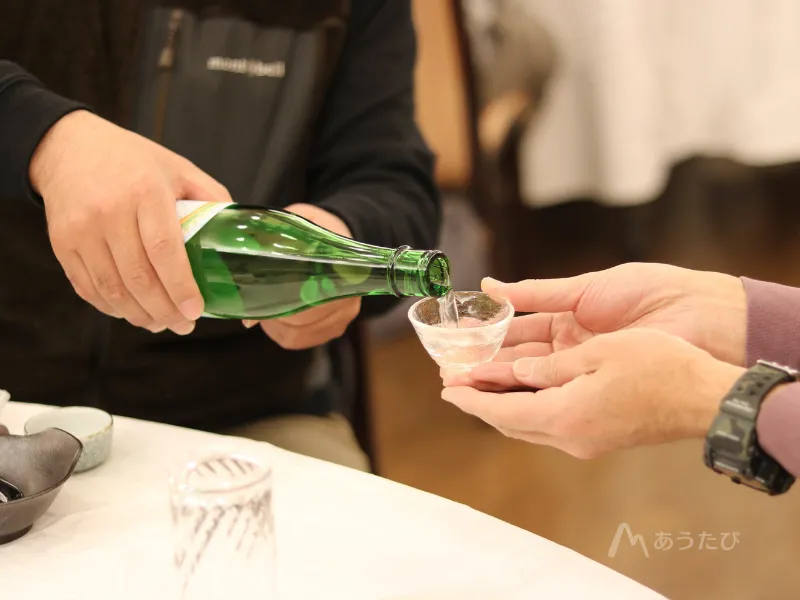
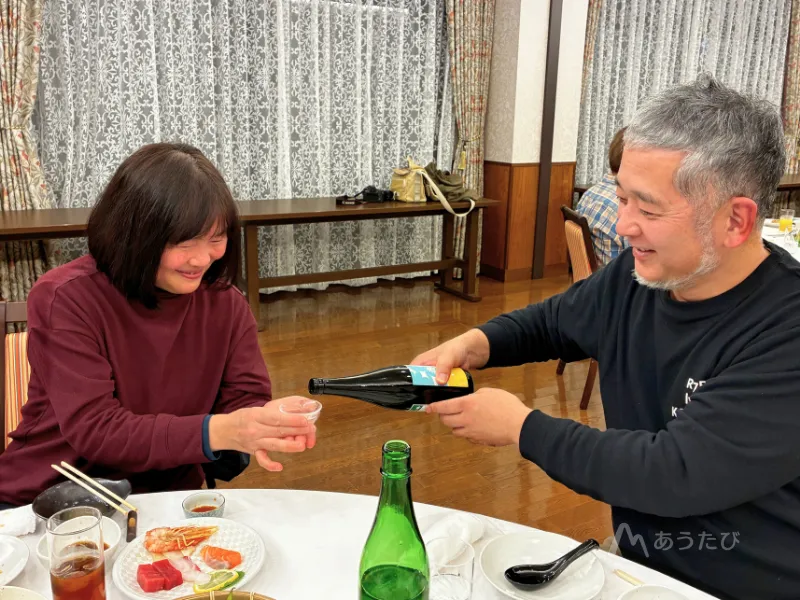
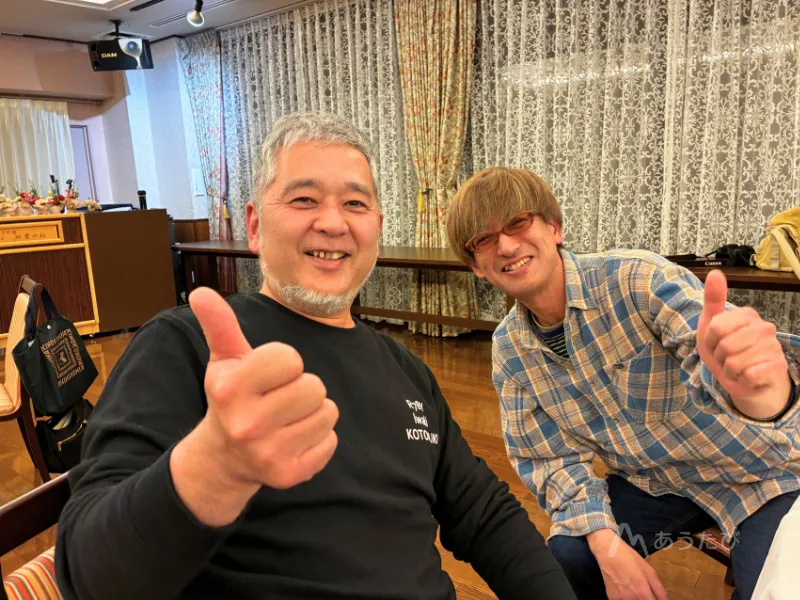
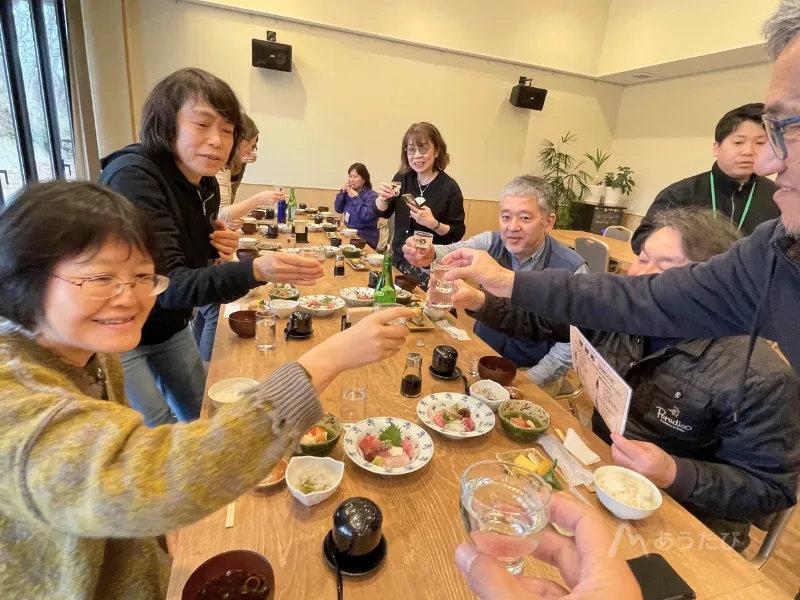
In the evening, gather around the same table with Suzuki to share local dishes and sake. Over a relaxed meal, you will talk about Namie, its fishing culture, sake, and the future of the town.
See More Through Photos
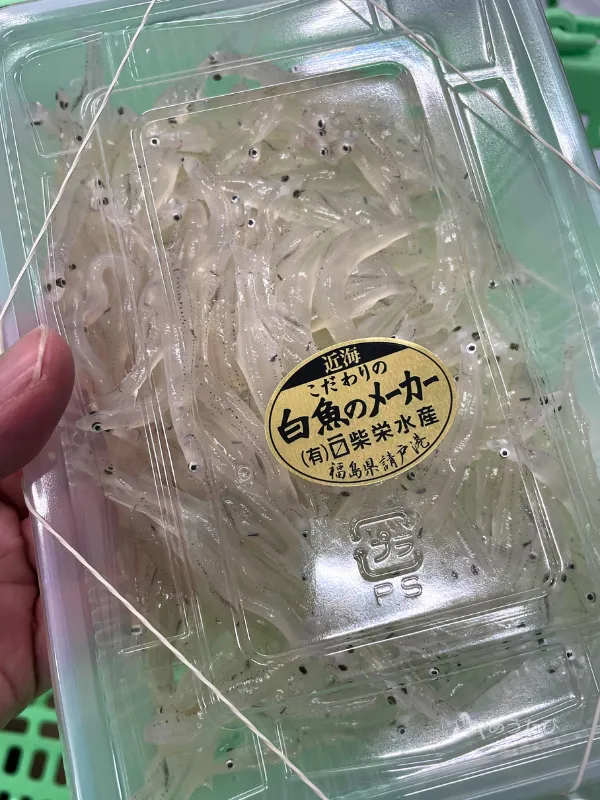
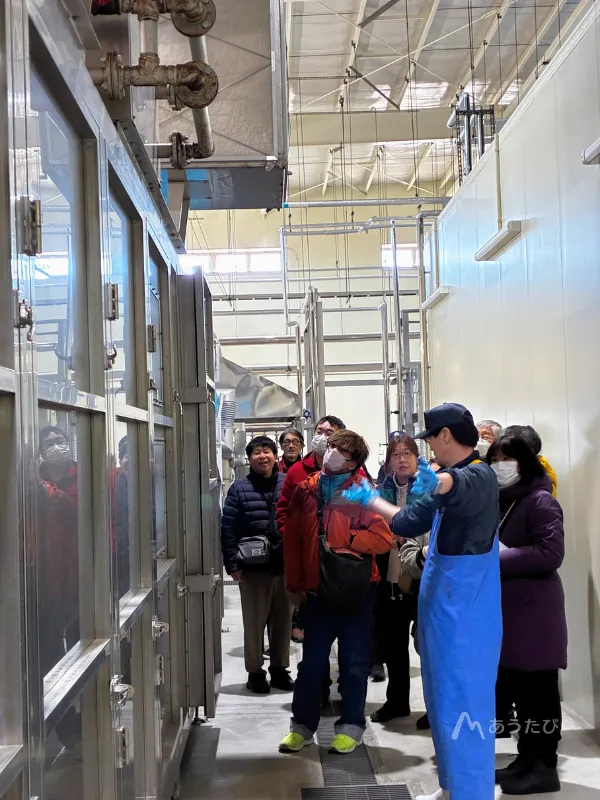
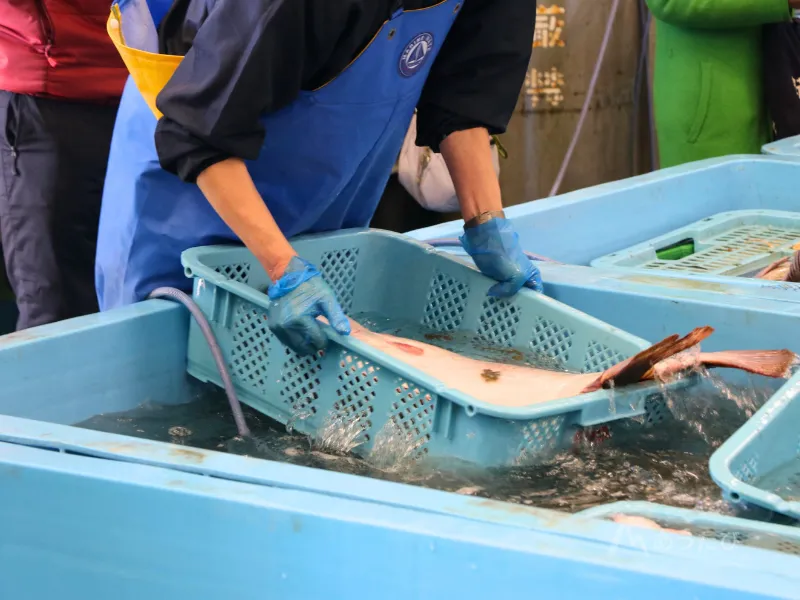
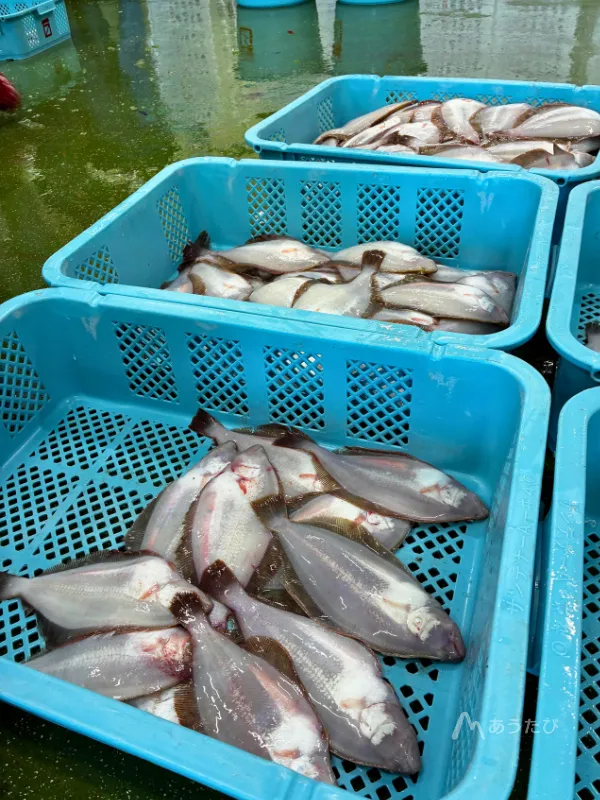
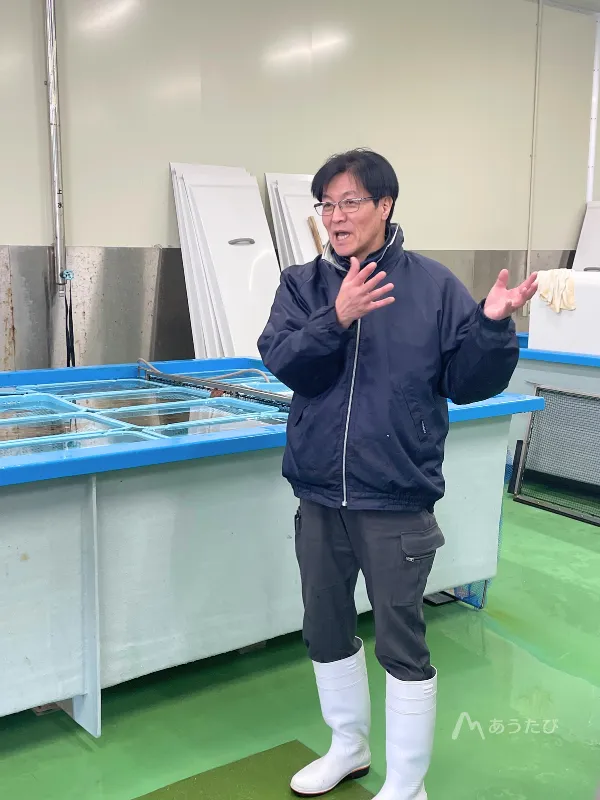
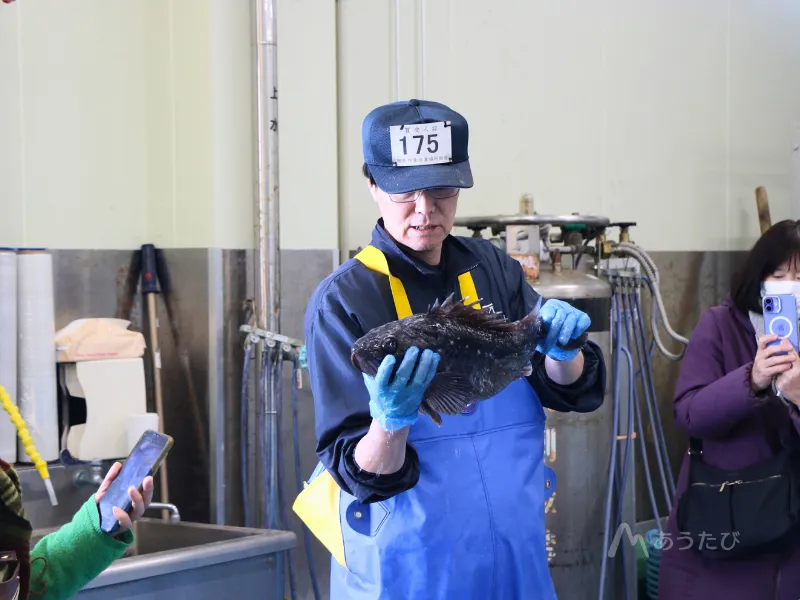
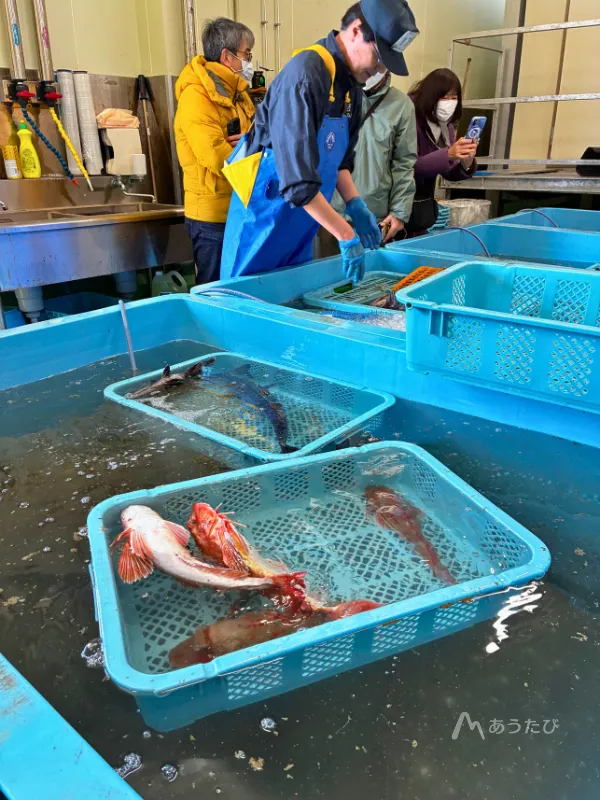
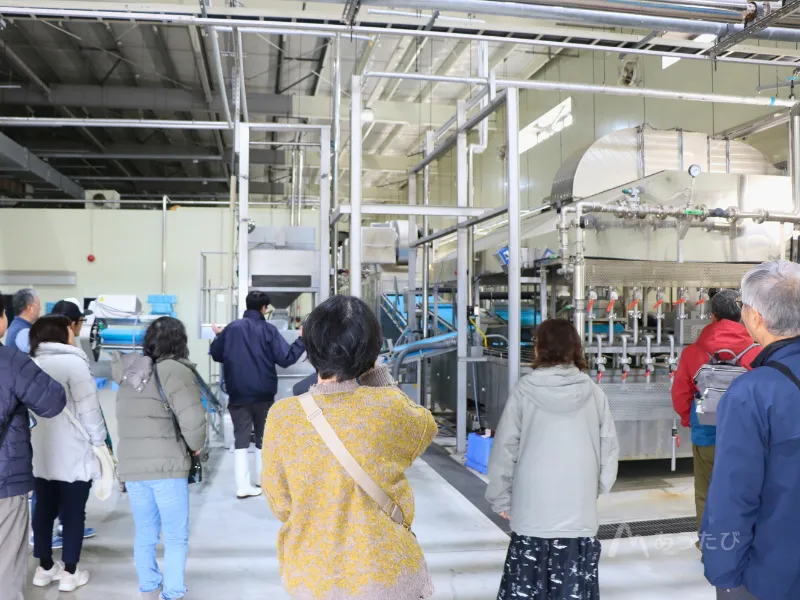
A Seafood Company Preserving the Legacy of Ukedo’s Sea
Tsuyoshi Shiba
President, Shibaei Suisan
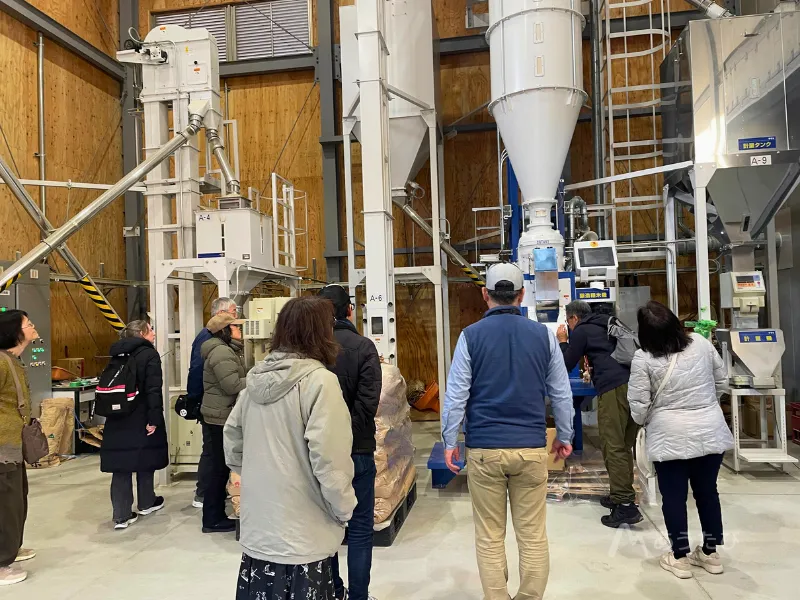
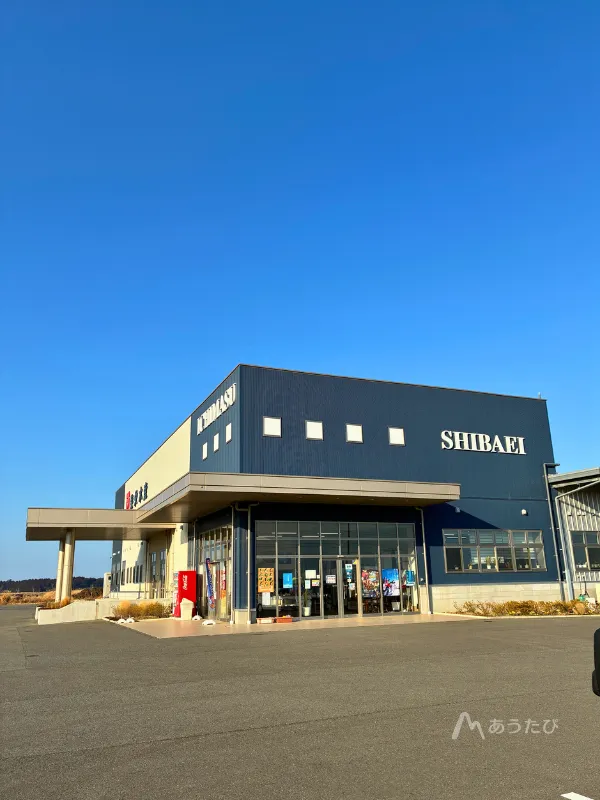
Founded in 1897, Shibaei Suisan has been part of the fishing industry in Namie’s Ukedo district for more than 100 years. Known locally by the name Ichimasu, the company has long supported the region’s seafood culture through its wholesale business, fish market, and restaurants, bringing the catch of Ukedo to customers across Japan.
The Great East Japan Earthquake devastated the business in 2011. The tsunami destroyed its office, processing facilities, and retail store, forcing the company to suspend operations for nine years. Even so, Shiba believed someone had to help revive the local fish market.
“If we want the market to return, someone has to take the first step. We can’t let our family’s legacy end with our generation.”
With that determination, Shibaei Suisan reopened in 2020.
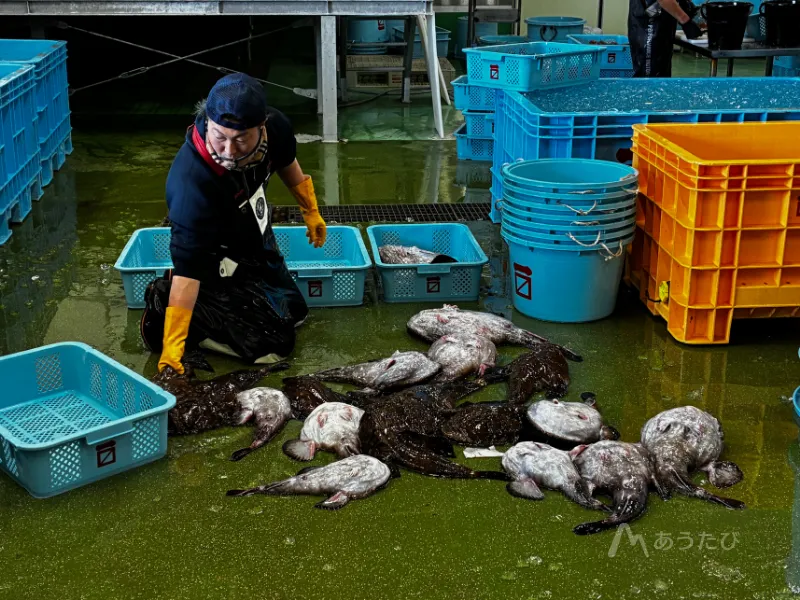
For Shiba, rebuilding the company is only part of the mission. He wants more people to discover the exceptional seafood of Joban-mono, the prized fish caught along Fukushima’s Pacific coast, while helping restore both the local fishing industry and the community itself. Working alongside a new generation, he continues to create opportunities for Namie’s future.
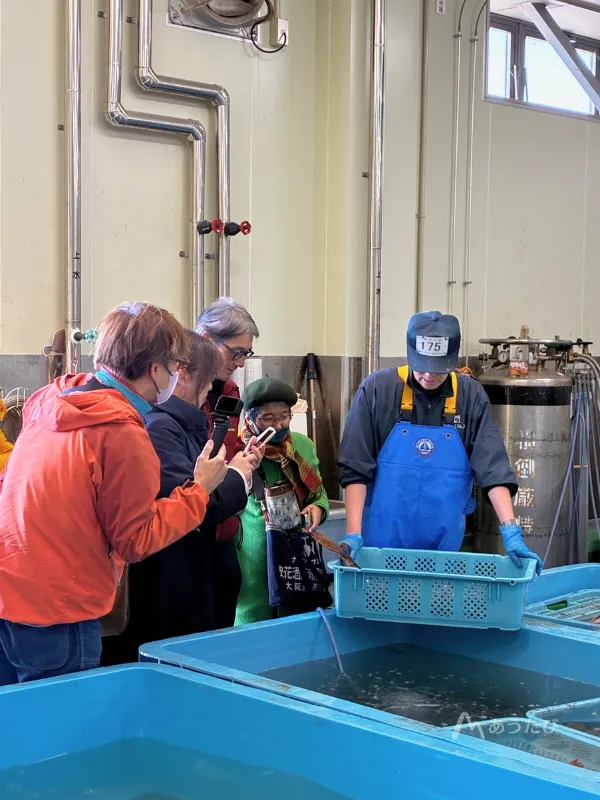
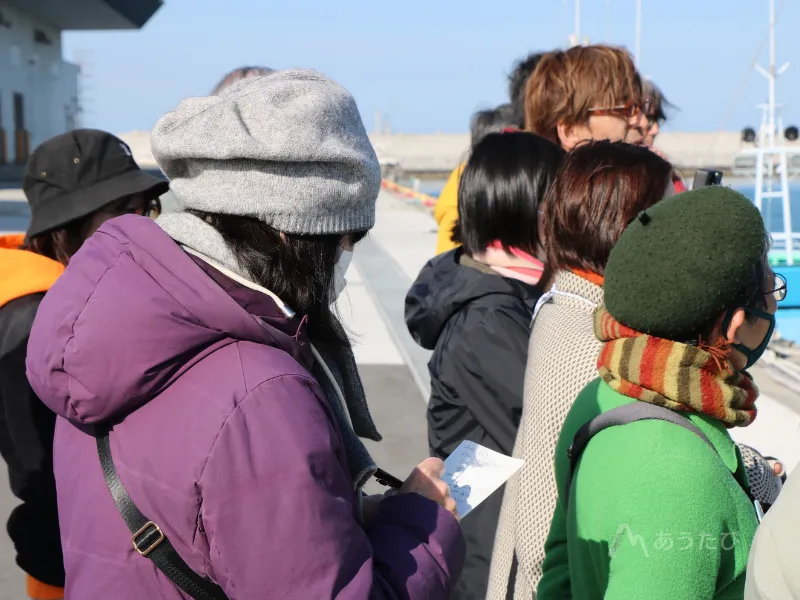
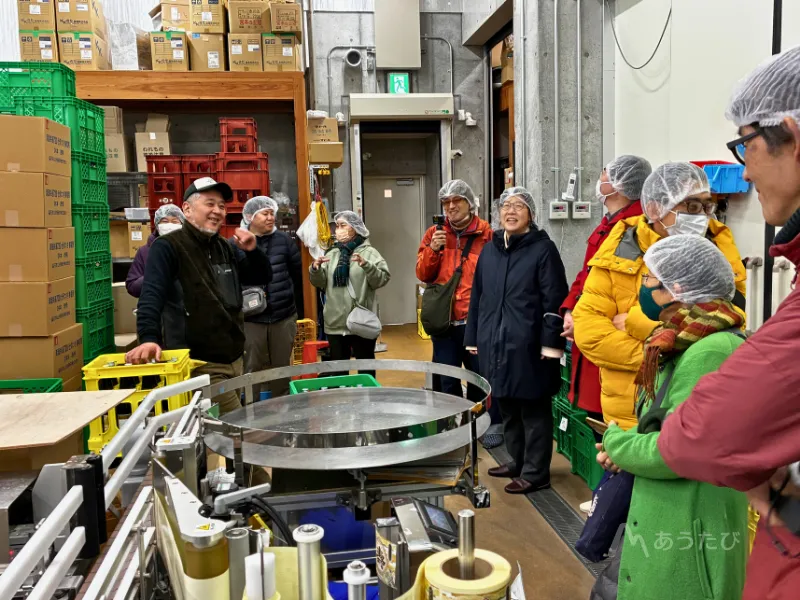
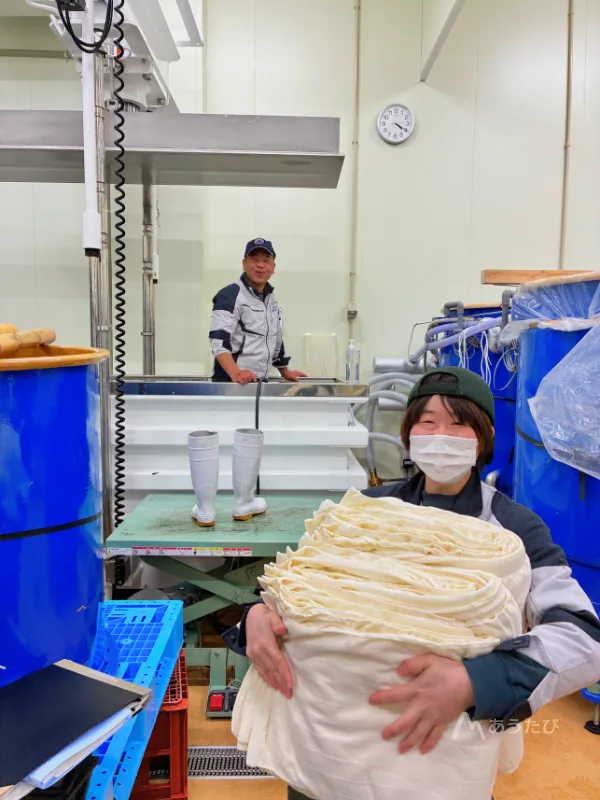
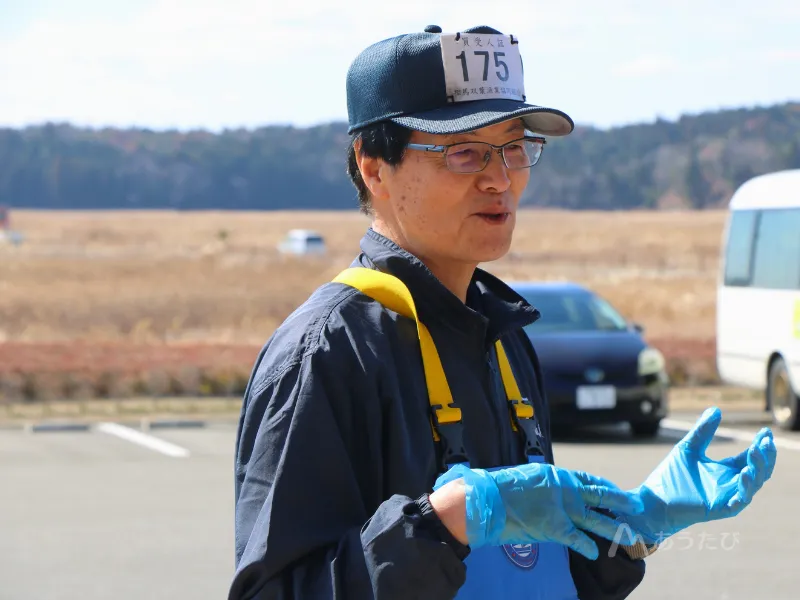
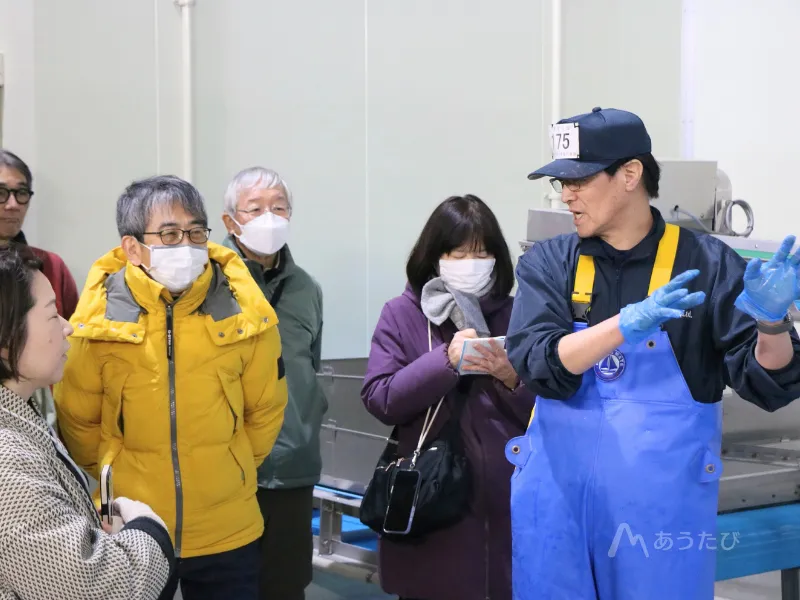
During this journey, Shiba will introduce you to the world of Ukedo’s fishing industry through a visit to his seafood processing facility. As you explore together, you’ll learn why Joban-mono earned a reputation among Japan’s finest seafood, hear how the local fishing industry has recovered since 2011, and discover the deep connection between the people of Namie and the sea that continues to shape their lives.
See More Through Photos
A Potter Reviving the Kilns of Obori
Takashi Kondo
Tokichiro Kiln
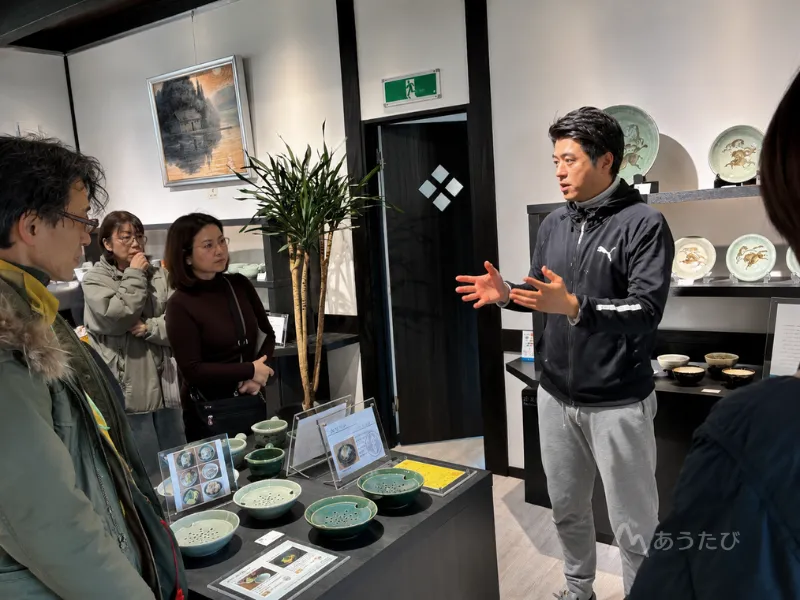
Takashi Kondo was born into Tokichiro Kiln, a family that has produced Obori Soma Ware, a traditional pottery style that originated in Namie’s Obori district more than 300 years ago. Watching his father, Manabu, at work from an early age, he developed a passion for ceramics that led him to study pottery at university. After further training in Mashiko, one of Japan’s best-known pottery towns, he returned home to continue his family’s tradition.
Just one year later, the Great East Japan Earthquake and the Fukushima nuclear disaster forced the entire Obori district to evacuate. While living away from his hometown, Kondo continued to refine his craft, earning recognition at major exhibitions, including the Contemporary Craft Exhibition and the prestigious Nitten Exhibition.
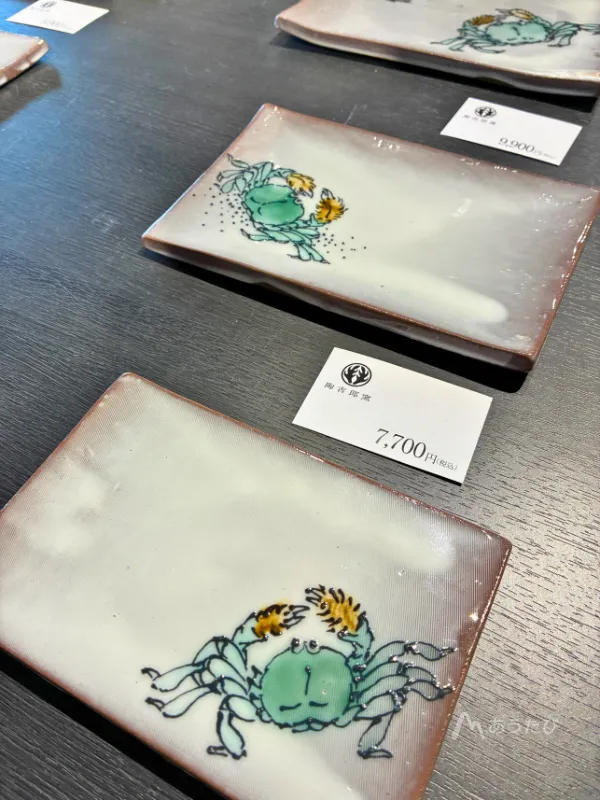
In 2024, nearly 13 years after the disaster, Tokichiro Kiln reopened its workshop and gallery in Obori. Today, Kondo works alongside his father while helping train the next generation of Obori Soma Ware potters.
For Kondo, preserving the tradition means more than making pottery. His goal is to bring creative life back to Obori, where more than 30 kilns once stood and pottery was an essential part of the community’s identity. Through his work, he hopes to see craftsmanship, culture, and everyday life flourish here once again.
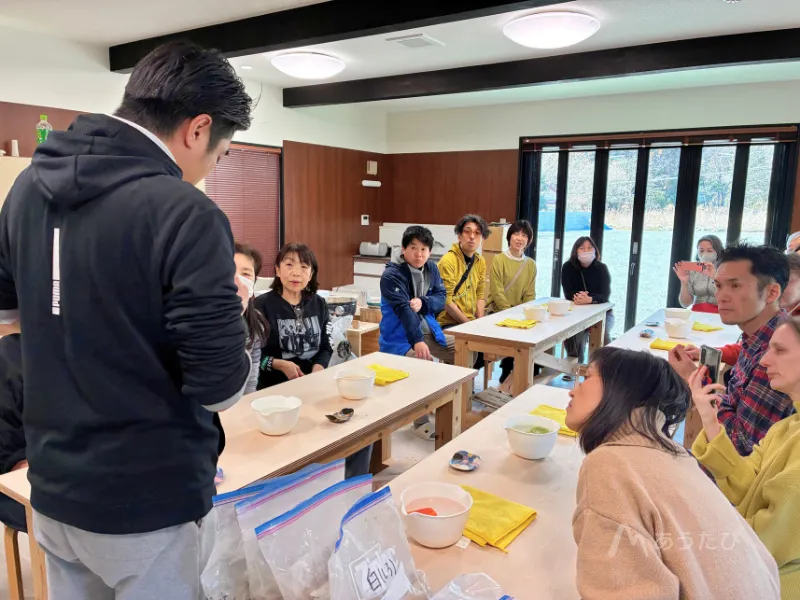
During this journey, you’ll visit Tokichiro Kiln and spend time with both Takashi and his father. Together, they will introduce you to the history of Obori Soma Ware and share what it means to light the kiln fires in Obori once again.
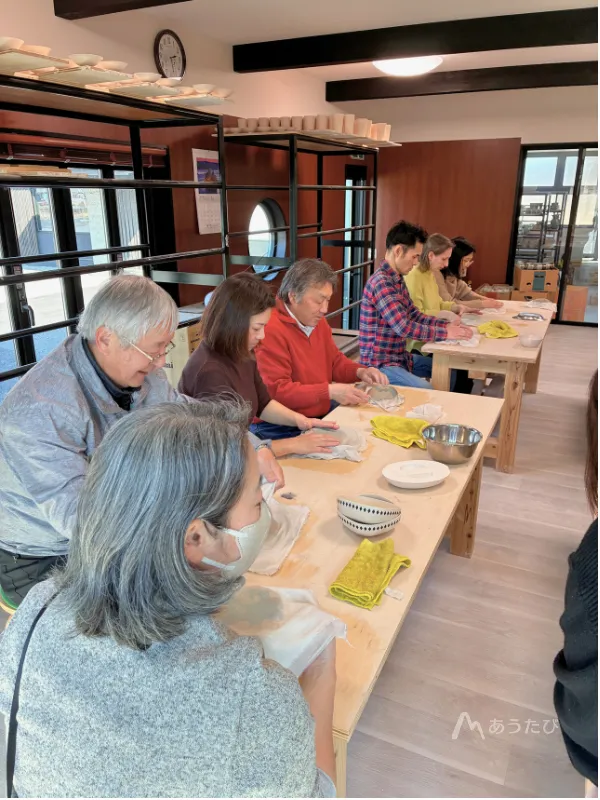
After hearing their story, you’ll experience Obori Soma Ware firsthand by creating your own piece. As you shape the clay, you’ll gain a deeper appreciation for the craftsmanship and traditions that have been passed down in Obori for more than 300 years.
See More Through Photos
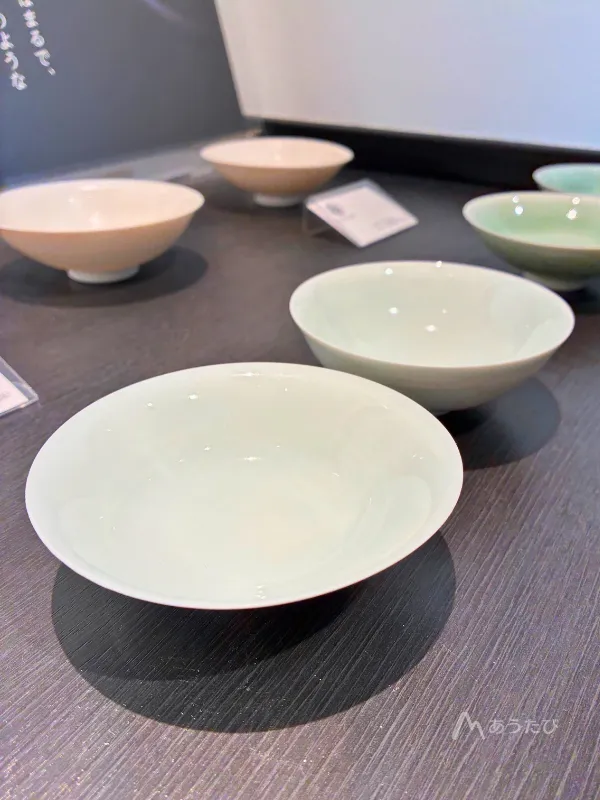
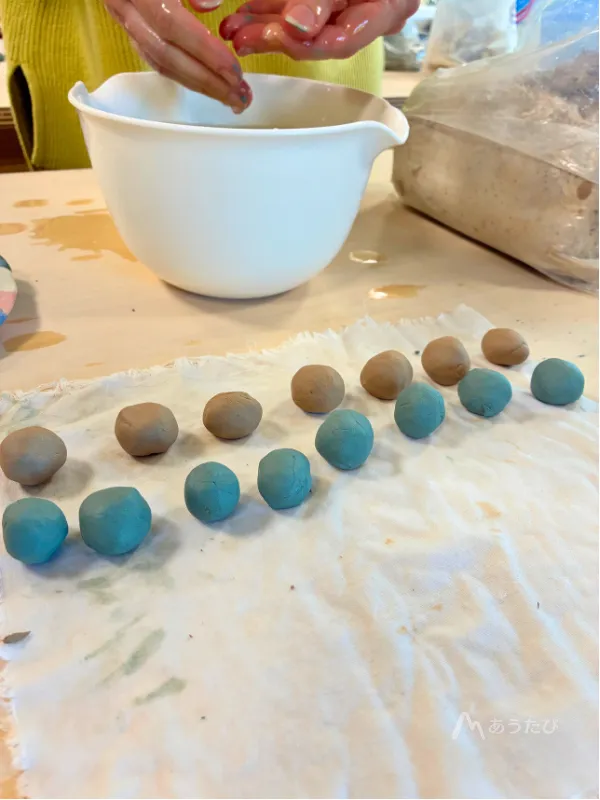
Meet the People Behind Obori Soma Ware
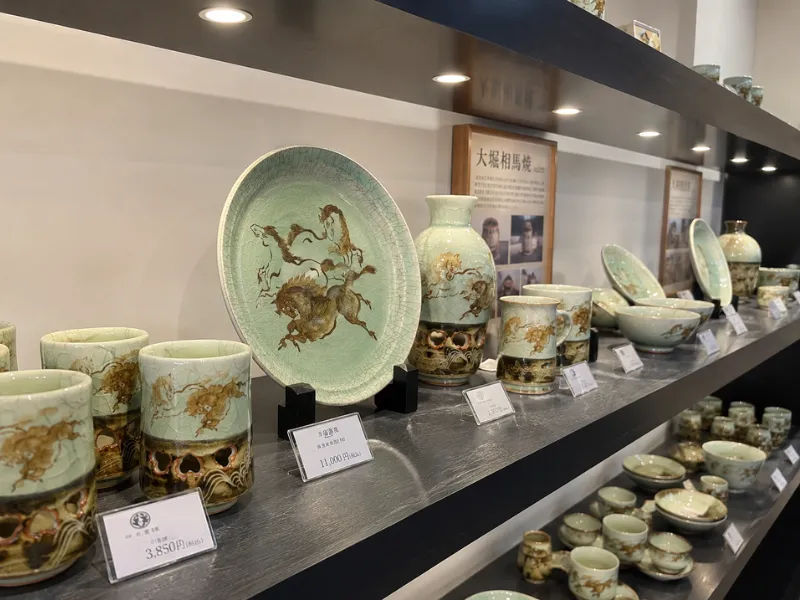
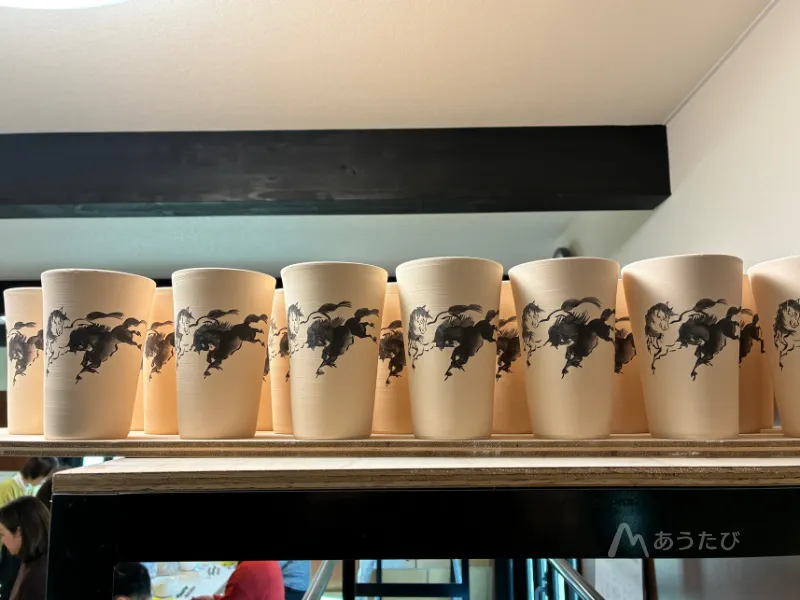
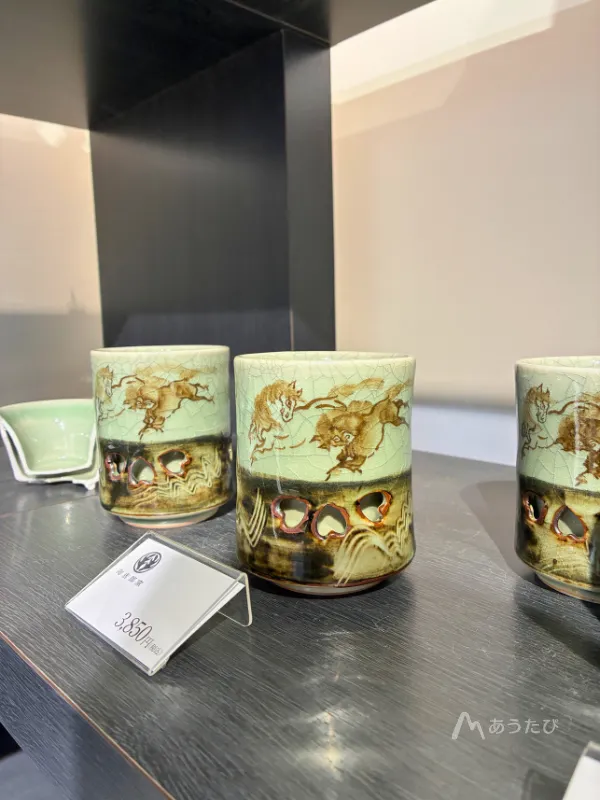
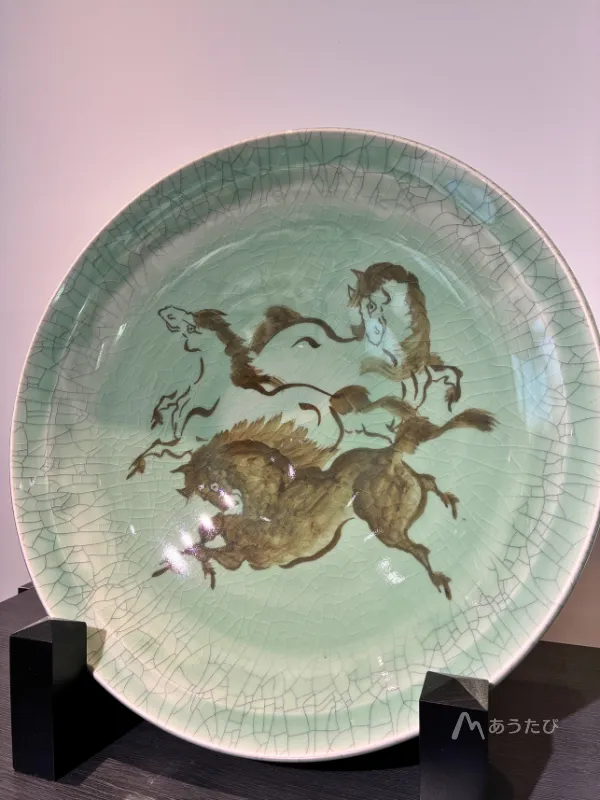
Obori District in Namie has been home to Obori Soma Ware, one of Fukushima’s best-known traditional ceramics, for nearly 300 years. During the Edo period, more than one hundred kilns lined these streets, making it one of the largest pottery-producing communities in northeastern Japan.
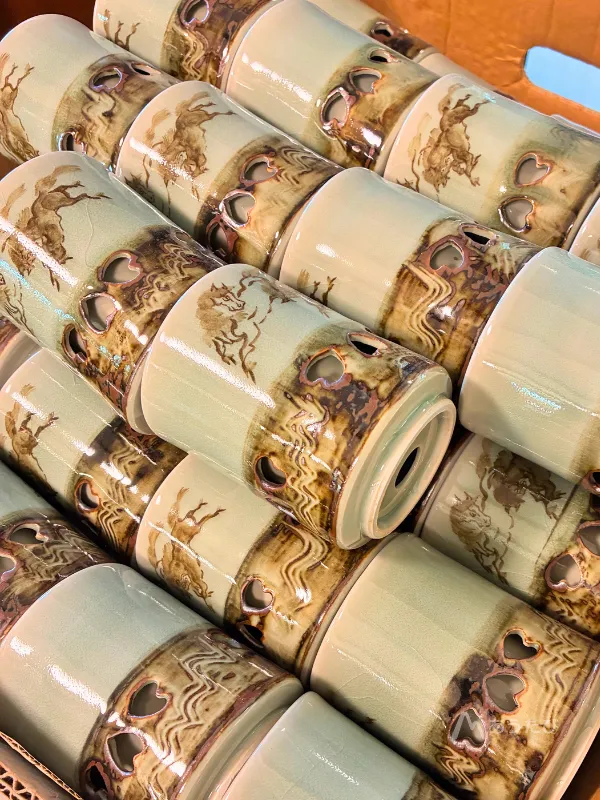
Known for its distinctive crackled glaze, double-walled construction, and the hand-painted Hashiri-goma (running horse) motif, Obori Soma Ware has long been treasured throughout Japan.
The Great East Japan Earthquake and the Fukushima nuclear disaster forced every kiln in Obori to evacuate. Although pottery has gradually returned to the town, the revival of this historic community is still in its early stages.
This journey is about more than trying your hand at pottery. You’ll meet the people carrying this tradition forward, hear their stories, and discover how centuries of craftsmanship continue to shape the future of Obori.
Meet the People Growing Namie’s Future
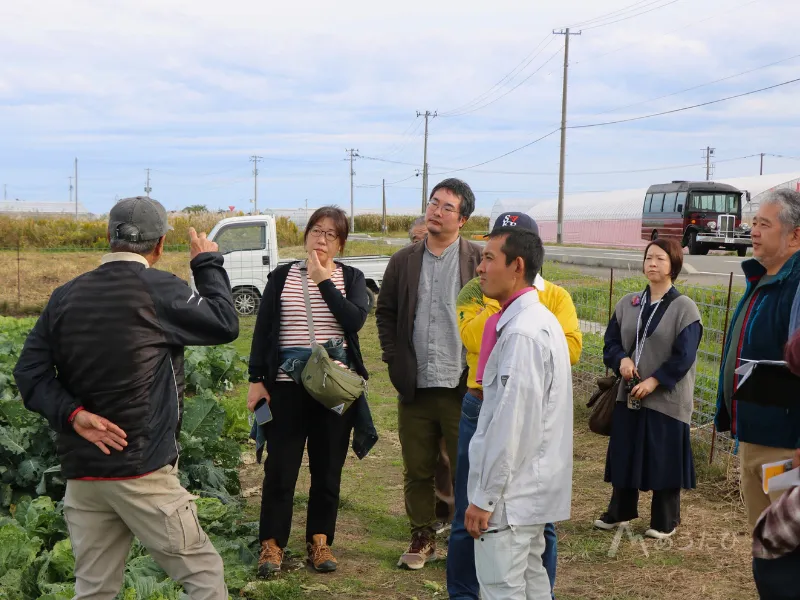
Namie’s story cannot be told by one person alone. Sake brewers, fishermen, potters, and farmers each play a part in shaping the town through their daily work.
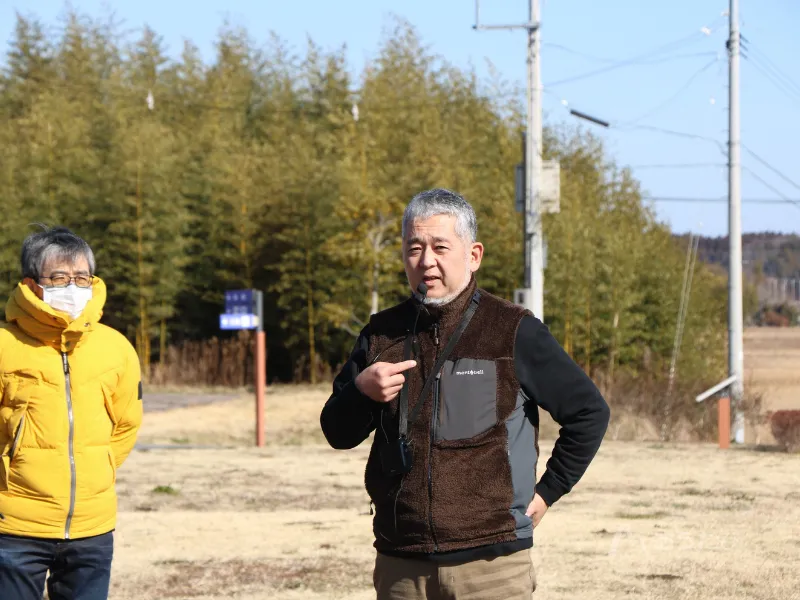
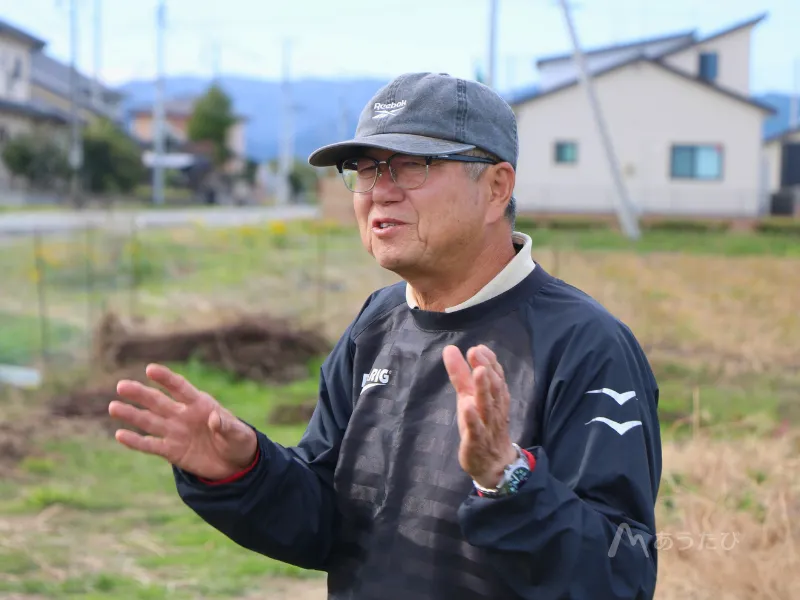
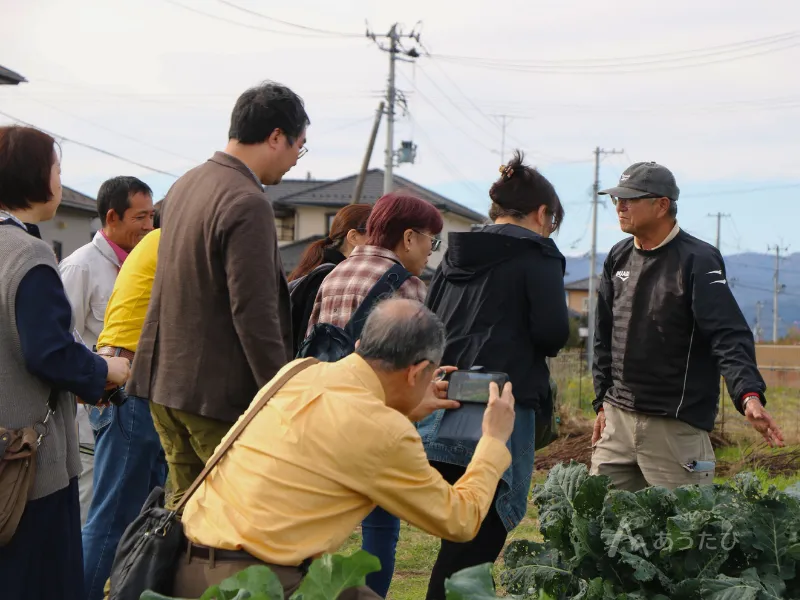
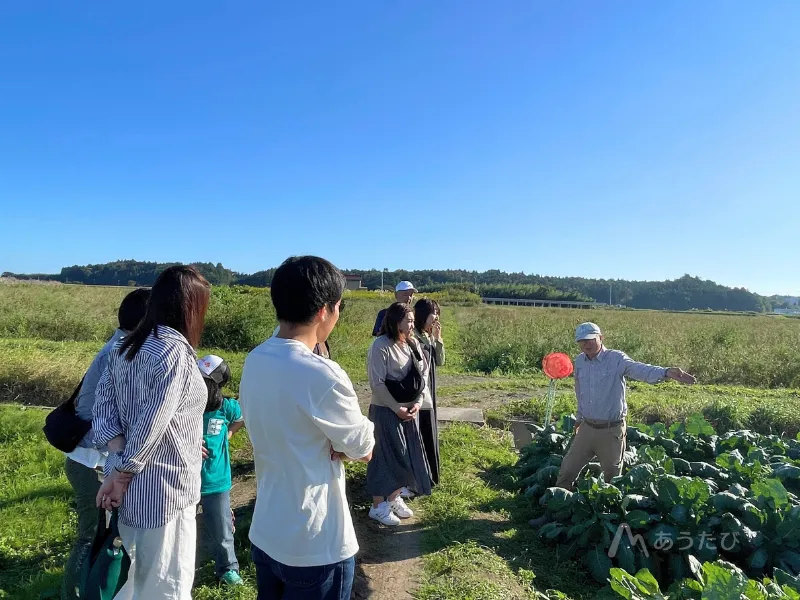
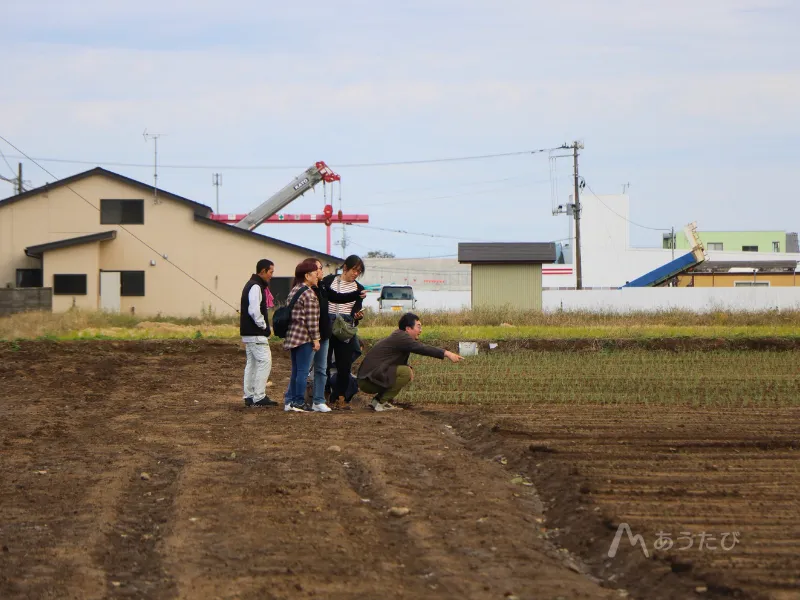
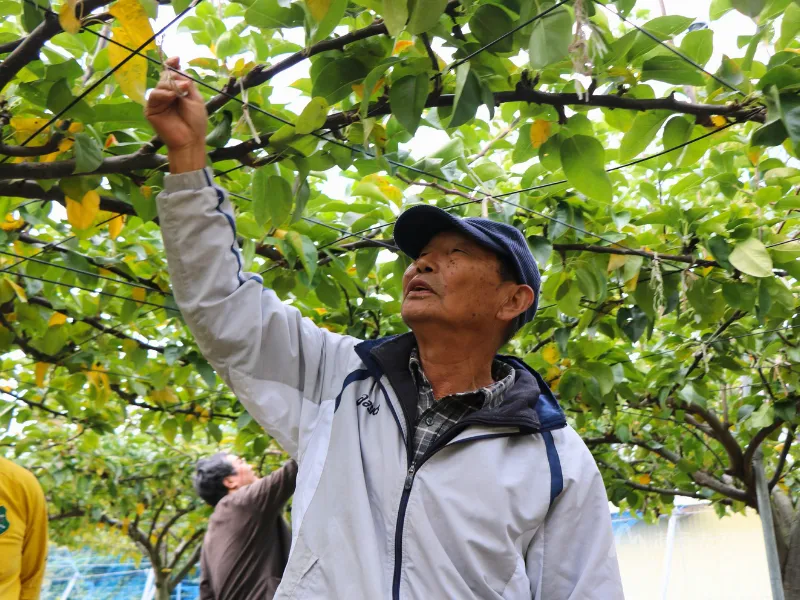
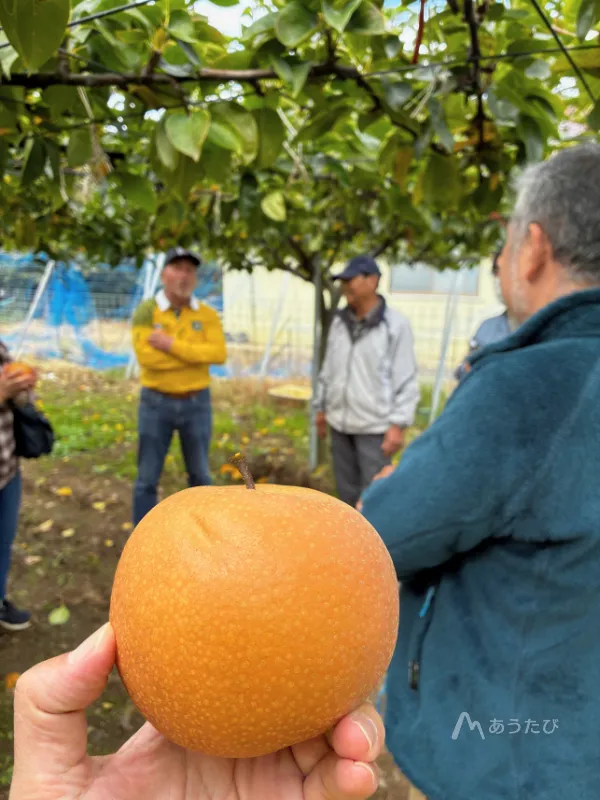
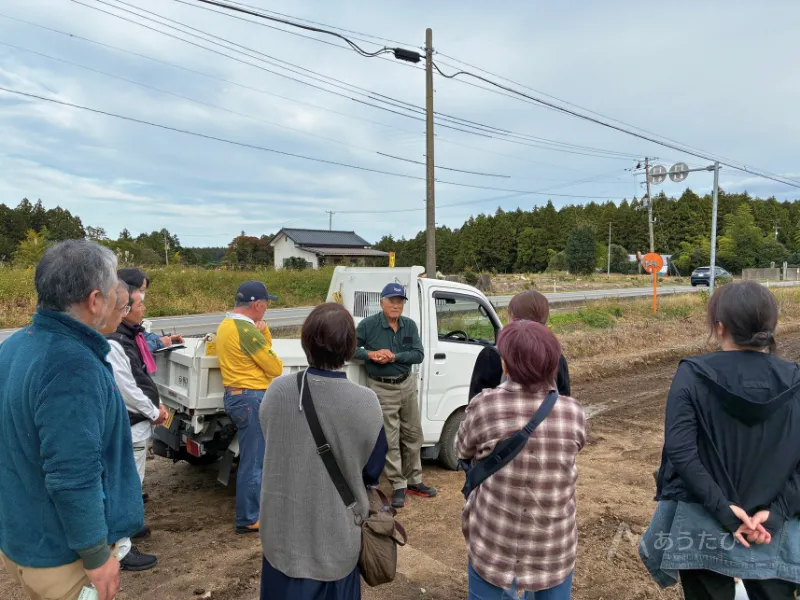
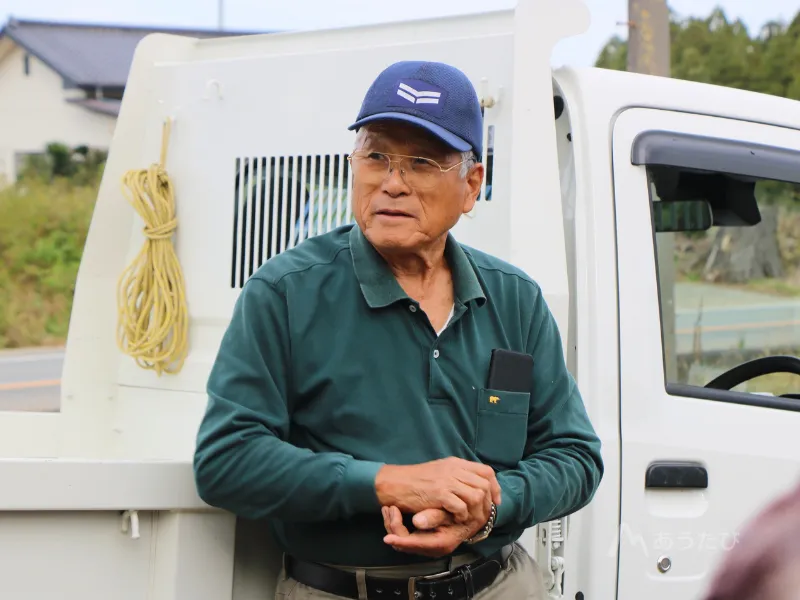
During the journey, you’ll visit local producers whose work changes with the seasons. Depending on the time of year, you may meet farmers growing garlic, onions, pears, rice, or vegetables. You’ll hear about their work, their connection to the land, and how agriculture continues to evolve in Namie.
Meeting people from these different walks of life offers a broader understanding of Namie, its people, and its ongoing recovery.
See More Through Photos
Optional Visit to Fukushima Daiichi Nuclear Power Station
(Advance Reservation Required)
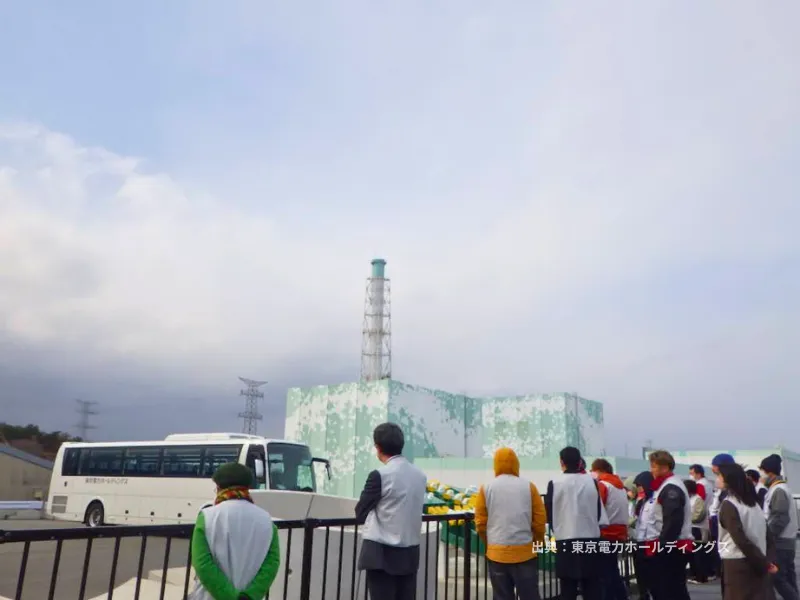
For travelers who wish to gain a deeper understanding of Fukushima today, it is possible to include TEPCO’s Fukushima Daiichi Nuclear Power Station Tour as an optional part of your journey.
The visit begins at the TEPCO Decommissioning Archive Center, where you’ll receive an introduction to the ongoing decommissioning work, the ALPS treated water system, and the site’s safety measures. You will then travel by dedicated bus into the station premises, where you’ll view the reactor buildings for Units 1–4, facilities related to the ALPS treated water system, and the coastal seawall while learning about the work that continues today.
Most areas included in the tour have now been decontaminated, and visitors can participate in their normal clothing. A personal radiation dosimeter is provided during the visit, and radiation exposure is measured at the conclusion of the tour.
Participation Requirements
- Advance reservation is required.
- Reservations must be made approximately two months before your departure date.
- A minimum of five participants, including guides and interpreters, is required.
- Participation is subject to availability and TEPCO’s acceptance schedule.
Before meeting the people who call Namie home, your journey begins at the Great East Japan Earthquake and Nuclear Disaster Memorial Museum.
The purpose of this visit is not simply to learn about the earthquake and the nuclear disaster. It is to understand the events that shaped this town and the experiences of the people you’ll soon meet.
With that shared context, every conversation, every place, and every story takes on a deeper meaning. By the time you meet the people of Namie, you’ll have a greater appreciation for both their past and the future they continue to build.
Sample 3-Day Journey
Day 1 | Walk Through Namie with Daisuke Suzuki
Begin your journey at the Great East Japan Earthquake and Nuclear Disaster Memorial Museum, where you’ll gain a deeper understanding of the events of 2011 and the context behind the people you’ll meet throughout your journey.
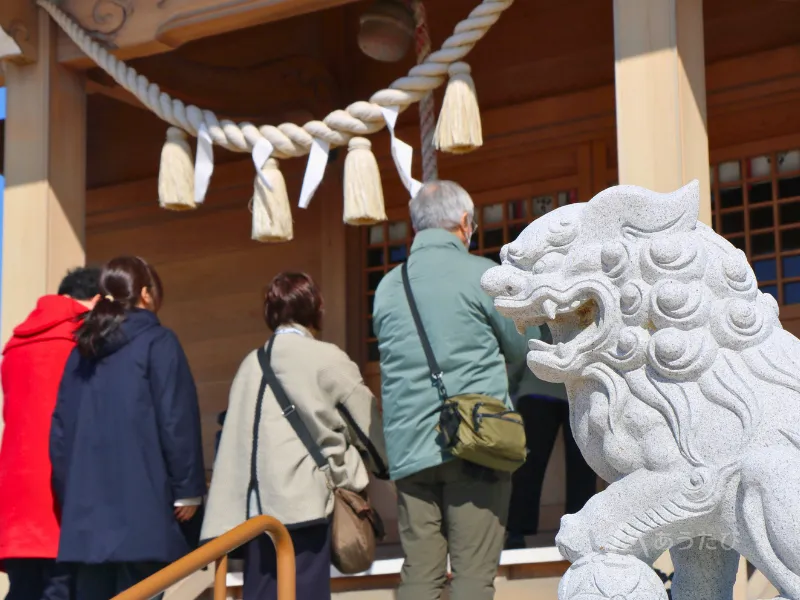
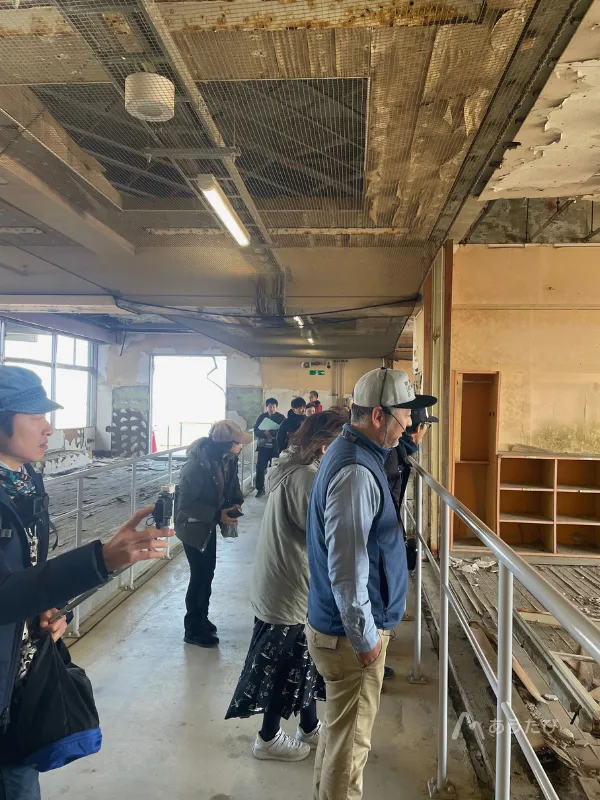
After lunch at Michi-no-Eki Namie (Roadside Station), walk through the town with sake brewer Daisuke Suzuki. Together, you’ll visit the Ohirayama Memorial Park, the Ukedo Elementary School Earthquake Memorial, and the former site of his family’s brewery while hearing his personal story and the town’s journey since 2011.
Continue to Suzuki Shuzoten Namie Brewery, where Daisuke will introduce you to the sake he brews between Namie and Yamagata and share his commitment to brewing in his hometown once again.
In the evening, gather around the table to share local food, sake, and conversation with Daisuke and the people you’ve met throughout the day.
Day 2 | Meet the People Shaping Namie’s Future
Begin the day in the Obori district, where you’ll meet Takashi Kondo at Tokichiro Kiln. Learn about the history of Obori Soma Ware and enjoy a hands-on pottery experience alongside the people carrying this tradition into the future.
After lunch at a local restaurant, continue to Shibaei Suisan and Ukedo Fishing Port, where Tsuyoshi Shiba shares the story of rebuilding both his family business and the local fishing industry.
Depending on the season, you’ll also visit one of Namie’s local farmers to learn how agriculture is evolving in the region and meet the people helping shape its future.
In the evening, gather once again around the table to enjoy local food, sake, and conversation.
Day 3 | One More Introduction Before You Leave
Spend your final morning visiting local producers introduced through the relationships you’ve built over the past two days.
Rather than following a fixed itinerary, the final part of your journey unfolds naturally. Depending on the season and the people you meet, another introduction may lead to another conversation, another shared table, and another perspective on life in Namie.
Before departing, enjoy one final meal together.
You leave with a deeper understanding of Namie and the people who continue to shape its future.
Notes
- This is a sample journey and may change depending on the season, weather, and the availability of local hosts.
- As a private and customized experience, the itinerary can be tailored to your interests, travel schedule, and preferred pace.
- Because every journey is built around local people, specific hosts, activities, and locations may vary throughout the year, making each experience naturally unique.
Make This Journey Your Own
More interested in food and the people behind it?
Spend more time with fishermen, farmers, brewers, and local producers, discovering Namie through the food, sea, and land that sustain everyday life here.
Fascinated by traditional craftsmanship?
Spend more time with the potters of Obori Soma Ware, hearing how this centuries-old tradition is being carried forward and experiencing the craft firsthand.
Want to understand Namie’s past and present more deeply?
Spend more time visiting places connected to 2011, hearing directly from people who lived through it, and learning how Namie continues to change today.
Tell us what interests you most. We’ll shape the journey around you.
Practical Information
| Price | Indicative price From ¥280,000 per person (based on 2 guests) The per-person price is lower for groups of three or more, as certain costs are shared among the group. Final pricing varies depending on the season, itinerary, accommodation, and experiences selected. |
|---|---|
| Journey Style | Private, fully customized journey Recommended duration: 3 days (flexible) Available year-round 2–6 guests |
| Accommodation | Hotel Futaba no Mori A comfortable hotel in the heart of Namie. Relax in the hotel’s public bath after each day’s experiences. |
| What’s Included | – Two nights’ accommodation – Meals (2 breakfasts, 2 lunches, 2 dinners) – Private transportation for all scheduled experiences – English-speaking interpretation support during scheduled experiences – All scheduled experiences and entrance fees – Exclusive access through KMJ’s local relationships – Dinner, drinks, and shared time around the table with Daisuke Suzuki and local residents – Coordination with local hosts before and during your journey – WhatsApp support before and during your trip – Domestic travel accident insurance |
| Not Included | – Transportation to and from the meeting point – Personal expenses – Optional food and beverages outside the itinerary |
| Meeting Point | JR Namie Station Your guide will welcome you at JR Namie Station and accompany you throughout your journey. |
| Cancellation Policy | 21 days or more before departure: No cancellation fee 20–11 days before departure: 20% of the tour price 10–1 days before departure: 50% of the tour price Same-day cancellation or no-show: 100% of the tour price |
| Payment | Credit card (Visa and Mastercard) Detailed payment instructions will be provided after booking. |
| Additional Information | Each journey is individually designed. Your final itinerary will be confirmed after your consultation and booking request. Evening gatherings with your hosts and local residents are included as part of the experience. If the evening naturally continues after the included gathering, you’re welcome to join. Any additional food and beverages purchased afterward are at your own expense. Bookings must be made at least 20 days before your preferred departure date. |
| Language Support | Most experiences are hosted in Japanese. A professional English-speaking interpreter accompanies the journey to support communication while allowing conversations with local people to remain natural and authentic. Italian-language interpretation is also available upon request. |
| Getting Around | Private Vehicle with Driver (Included) Private transportation is provided for all scheduled experiences included in your itinerary, allowing you to relax and enjoy the journey without worrying about driving or navigation. If you’d like to explore the city during your free time, we’ll be happy to recommend local transportation options or arrange a taxi upon request. Self-Drive Option (Available on Request) A self-drive version of this journey can also be arranged upon request. |