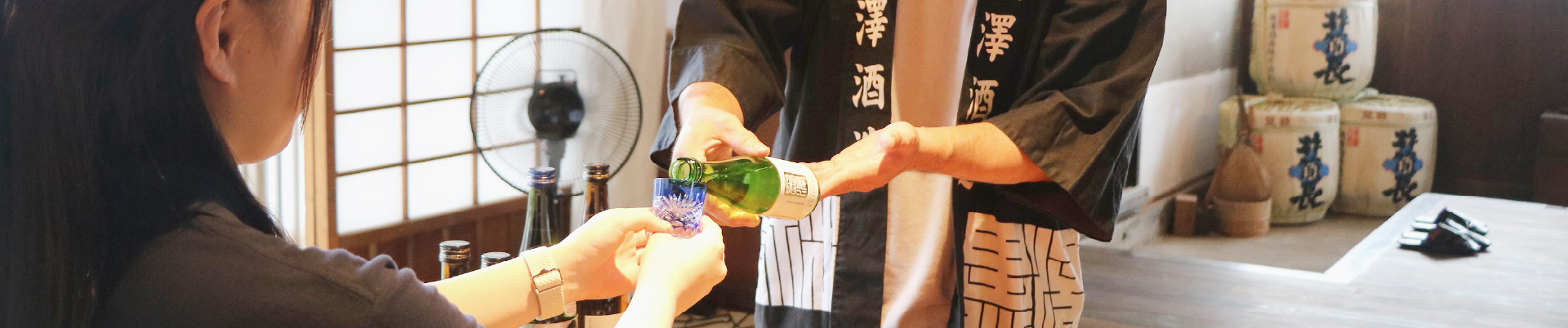
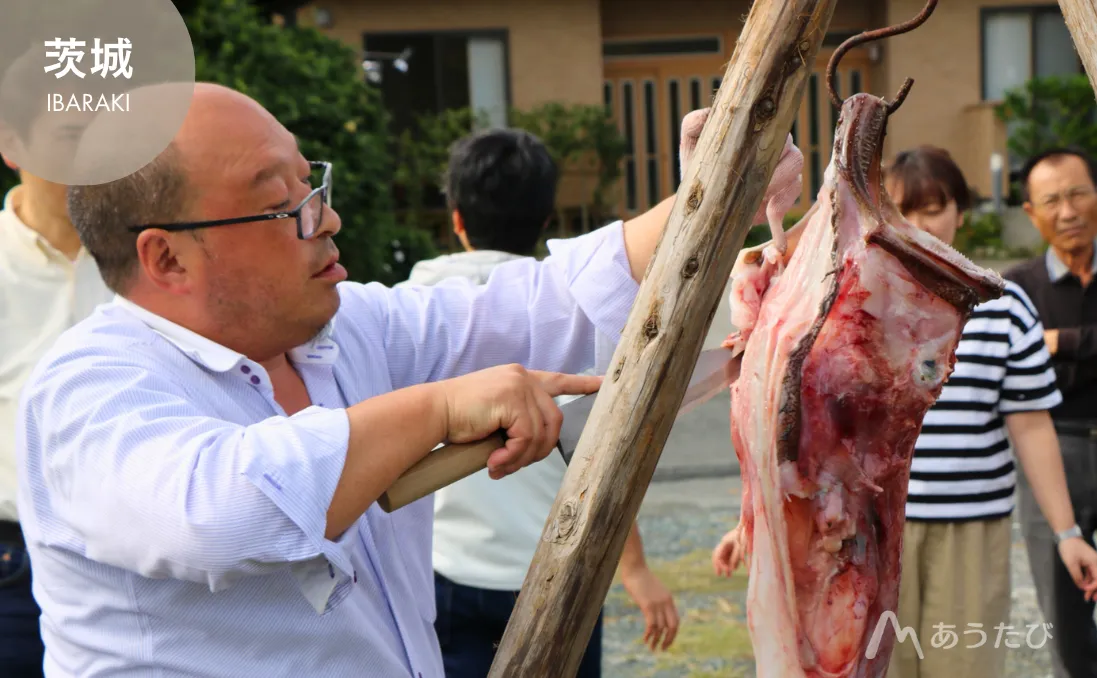
Experience winter monkfish at its finest, including the traditional hanging filleting technique
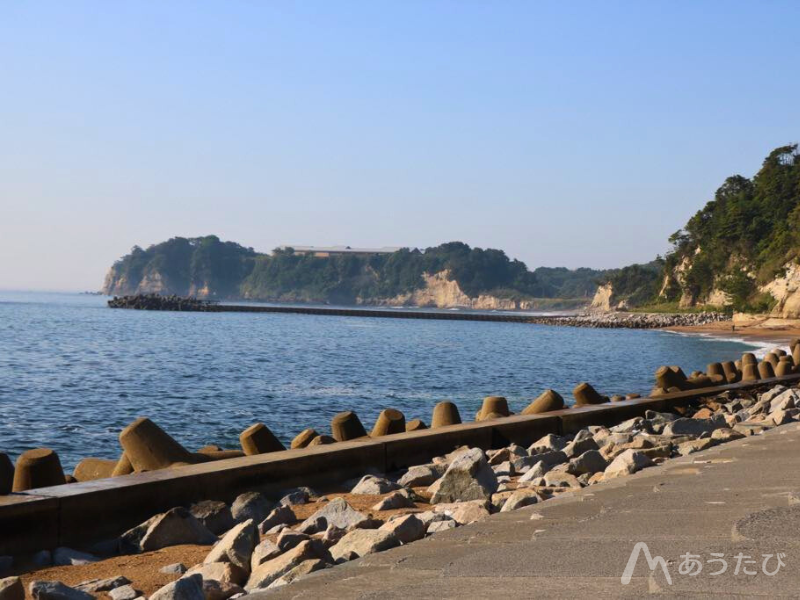
On the northern coast of Ibaraki Prefecture, facing the Pacific Ocean, the small port town of Hirakata offers one of Japan’s most distinctive winter food traditions: monkfish (ankō).
This experience takes place at a family-run seaside minshuku (inn) where guests can enjoy a multi-course dinner prepared with fresh fish from caught in waters off Hirakata. The experience also includes a rare opportunity to observe — and even try — the traditional tsurushi-giri, or hanging filleting technique used to prepare monkfish. Beyond the cuisine, the experience centers on the story of the minshuku’s owner, who rebuilt the family business after it was completely destroyed in the Great East Japan Earthquake of March 2011. Through food, conversation, and local history, you will gain a deeper understanding of life in a Japanese fishing community.
Experience Highlights
- Meet an minshuku owner who rebuilt his family’s seaside minshuku after the March 2011 earthquake
- Enjoy a seasonal monkfish (ankō) tasting course prepared by a professionally trained chef
- Watch and try the rare tsurushi-giri hanging filleting technique
- Taste Dobu-jiru, a fishermen’s hot pot unique to Hirakata that is cooked without adding water
- Learn about the 400-year history of Hirakata Port and the fishing culture that defines the town
- Share drinks and conversation with your host while hearing his personal story
Meet Your Host
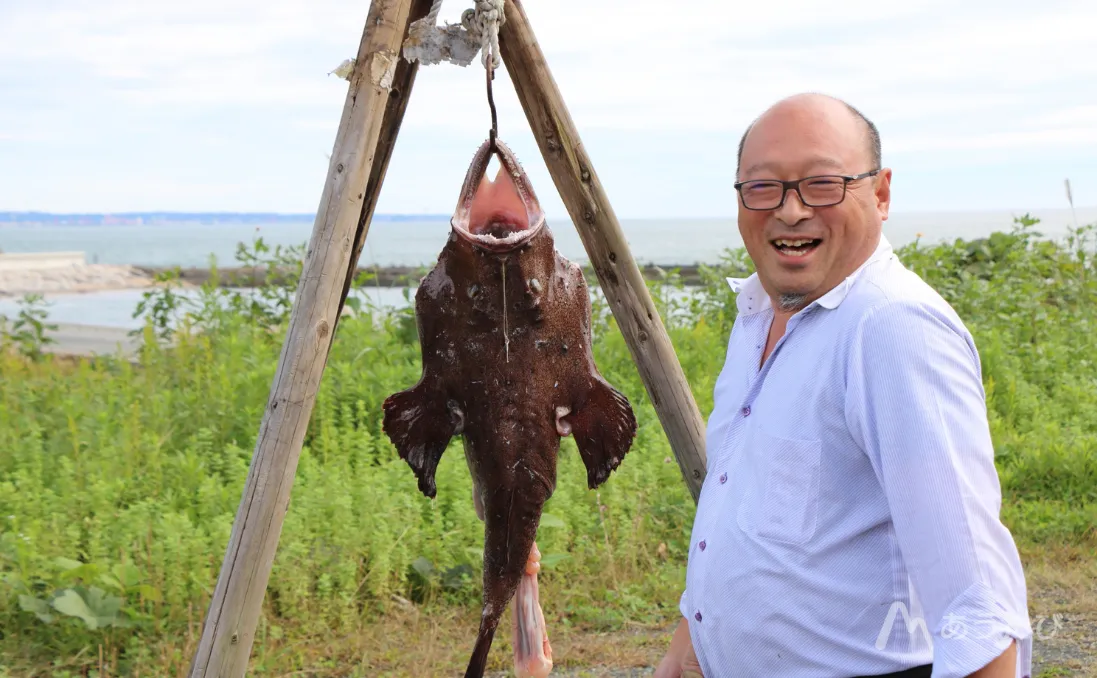
Yasumasa Niida, Owner, Shiosai-yado Akatsukien
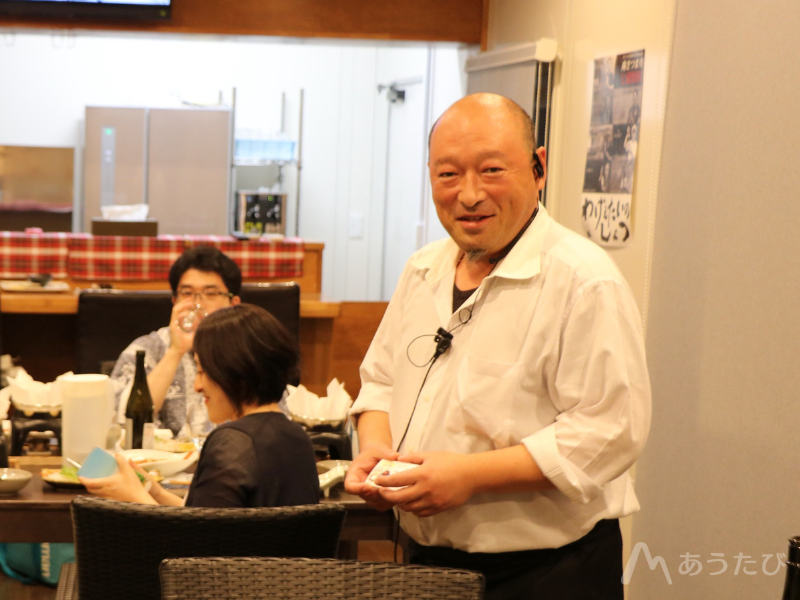
Born in 1974 in Kitaibaraki, Niida grew up in the Hirakata area. After graduating from a cooking school, he trained in Japanese restaurants and wedding venues within Ibaraki Prefecture before working as a professional chef in Kanagawa.
When his father’s health declined, he returned home to help run the family minshuku.
Then, in March 2011, the Great East Japan Earthquake struck the region. The family’s minshuku was completely destroyed, and shortly afterward his father passed away. Facing the loss of both his home and family business, Niida made the decision to rebuild the minshuku himself.
Over the following years he gradually restored the property and reputation of the minshuku. Today it is a highly sought-after place to stay, often fully booked during peak seasons. During the winter season, diners travel from across Japan to taste his monkfish cuisine.
Local Culture and History
Hirakata Port
Hirakata is the northernmost coastal town in Ibaraki Prefecture and has a maritime history that stretches back nearly 400 years.
During the Kan’ei era of the Edo period (17th century), Hirakata developed as a stop along the coastal shipping route connecting the Tohoku region with Edo (present-day Tokyo). The Sendai Domain established an administrative outpost here, and the port served as a relay point for transporting rice taxes to the shogunate. Sheltered by a natural inlet, Hirakata prospered as a safe harbor and an important hub for maritime trade.
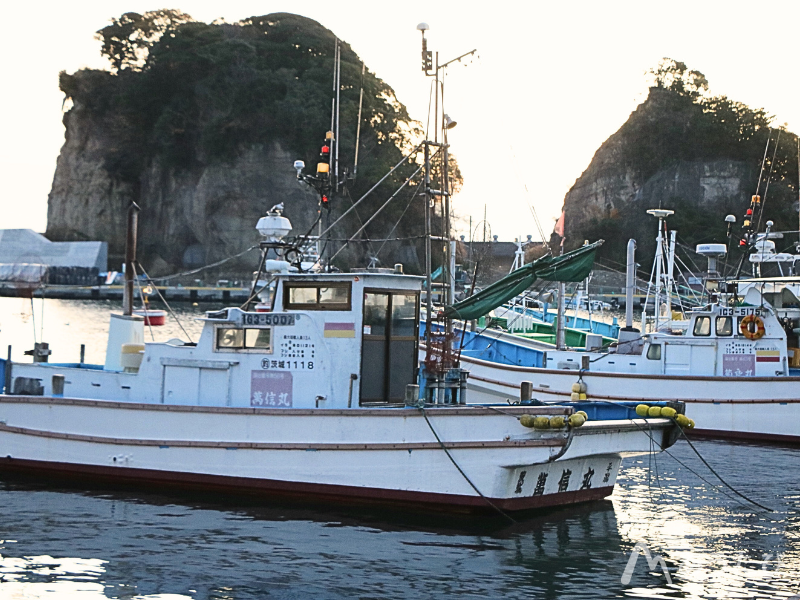
However, the situation changed dramatically in the Meiji period with the expansion of the railway network. As maritime transport declined, Hirakata shifted its focus toward fishing. Bottom trawl fishing was introduced in 1887, and the port gradually developed into the fishing base it is today.
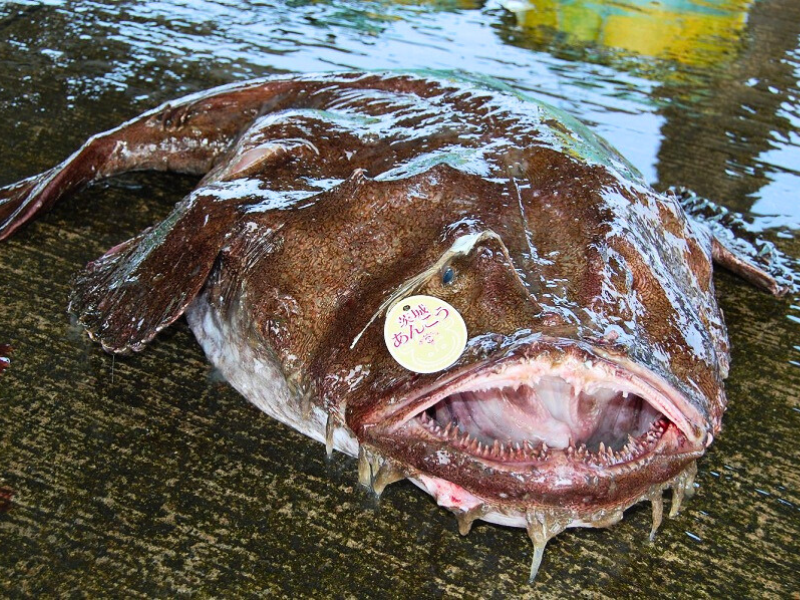
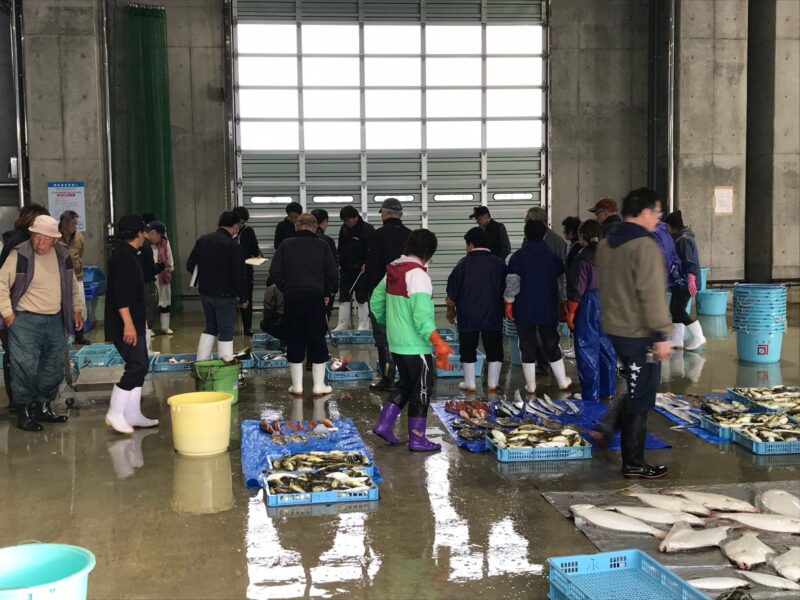
The primary fishing method used at Hirakata today, bottom trawl fishing, involves dragging large nets along the seabed to catch fish. This technique brings in a wide variety of species, including hirame (flounder), the official fish of Ibaraki Prefecture. Among the most important catches is monkfish, with approximately 30–40 tons caught annually, accounting for about one-third of the prefecture’s total monkfish catch.
The Fishermen’s Dish: Dobu-jiru
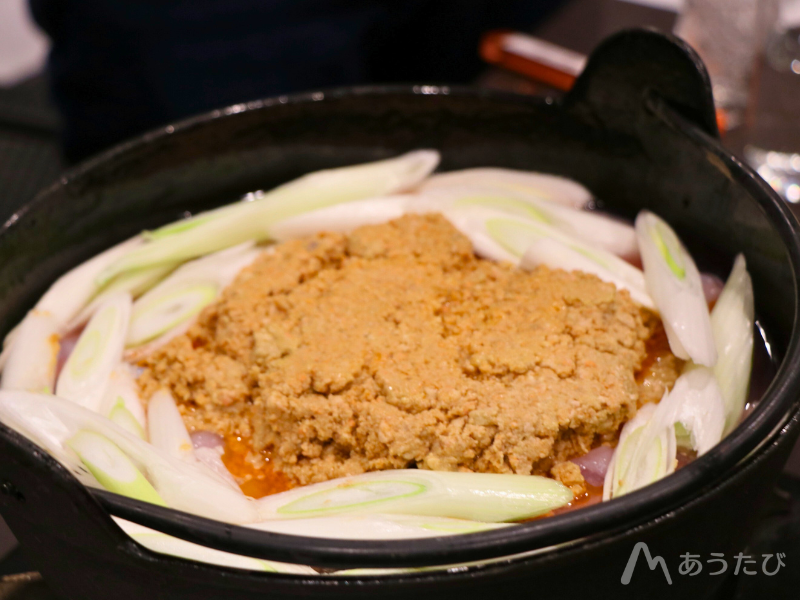
Hirakata is also known for a unique regional specialty called Dobu-jiru, a traditional monkfish hot pot created by local fishermen. Unlike most hot pot dishes, no water is added during cooking. The broth is created entirely from the natural juices released by the fish and vegetables.
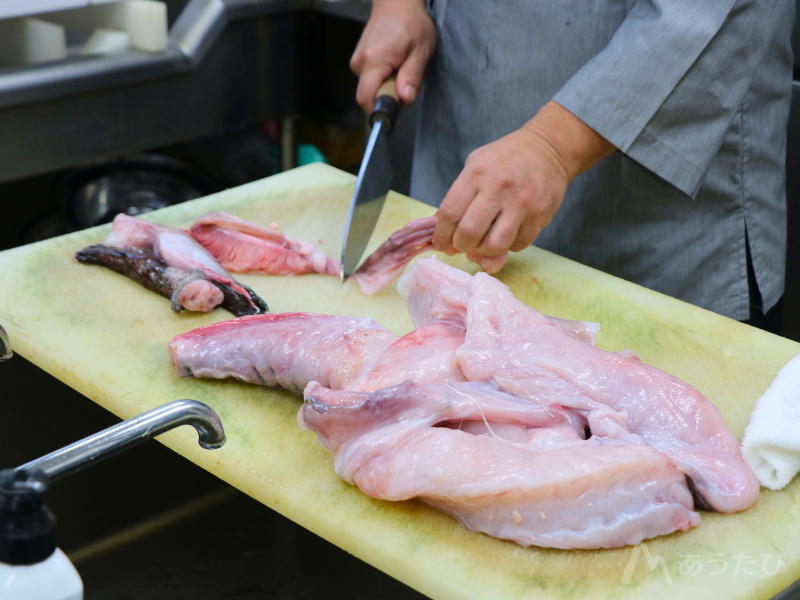
A key element is monkfish liver, often called the “foie gras of the sea.” As it melts into the pot, it creates a rich, savory broth that defines the dish.
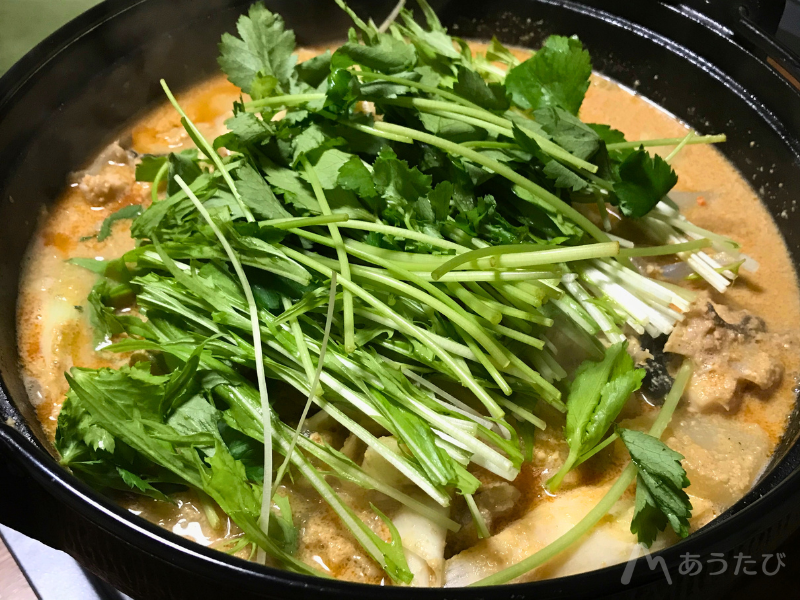
Although simple in preparation, Dobu-jiru represents the ingenuity and culinary traditions of Hirakata’s fishing community.
The Traditional Monkfish Filleting Method
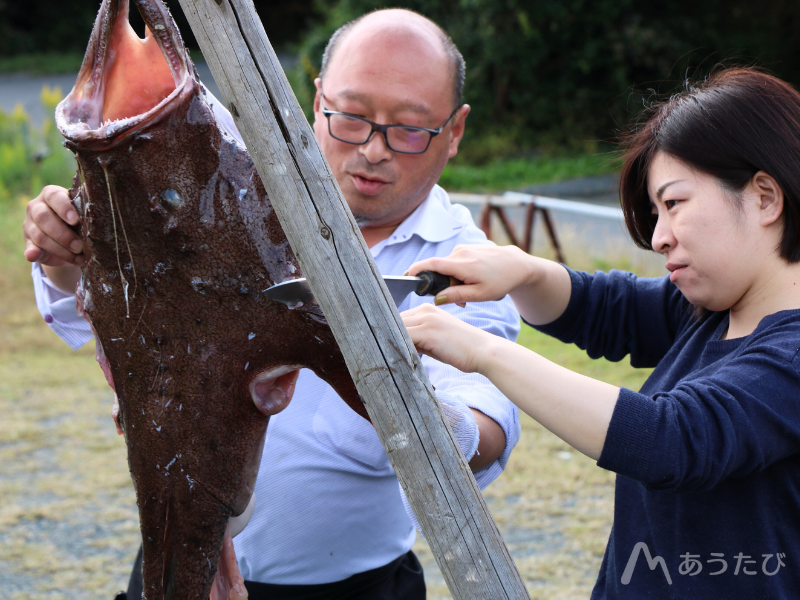
Monkfish are difficult to cut on a chopping board because their skin is thick and slippery. For this reason, chefs traditionally fillet the fish using tsurushi-giri, a technique in which the fish is hung from a hook and carved while suspended.
Nearly every part of the fish can be eaten, including the fillets, liver, stomach, skin, gills, fins, and roe. These are collectively known as the “seven treasures of monkfish.” Guests have the chance to observe and experience this rarely seen technique and learn how each part is used in traditional cooking.
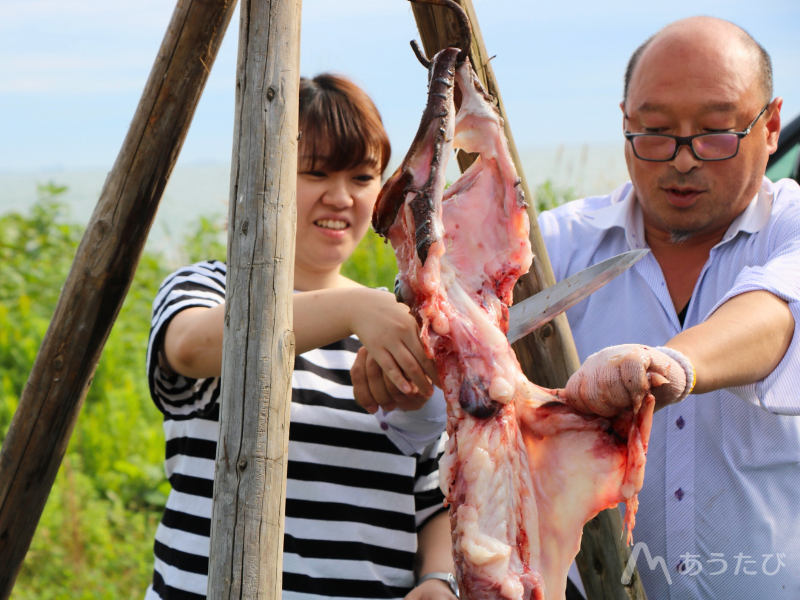
The preparation begins by cutting near the fish’s pectoral fins, which are rich in collagen and contain high-quality meat. The chef then carefully cuts around the head before peeling the skin downward, almost like removing clothing. Once the skin is removed, the fish is divided according to a traditional sequence, separating each edible part for cooking.
Seasonal Dining Experience
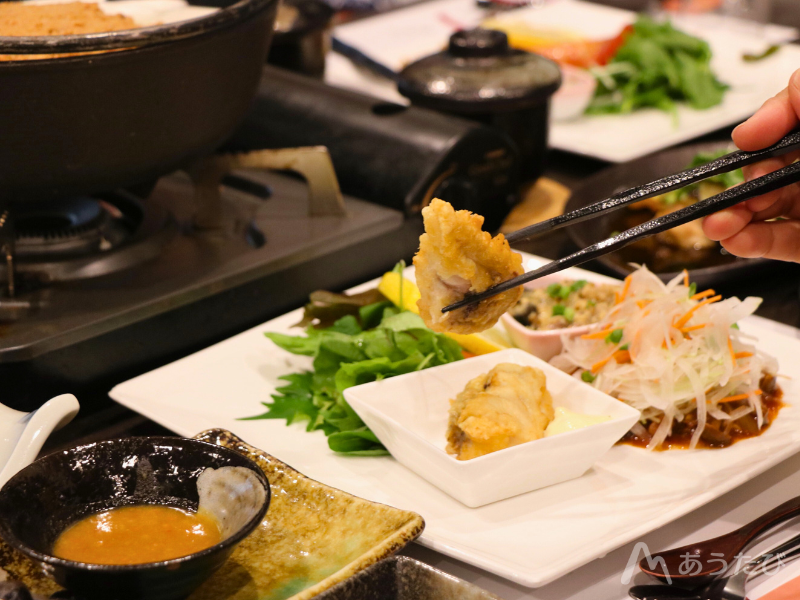
The evening meal features a multi-course monkfish dinner prepared by Niida.
Typical dishes include:
- Dobu-jiru monkfish hot pot
- Monkfish karaage (crispy fried monkfish)
- Monkfish with vinegar sauce
- Monkfish dressed with miso
- Monkfish liver (ankimo)
- Monkfish steak
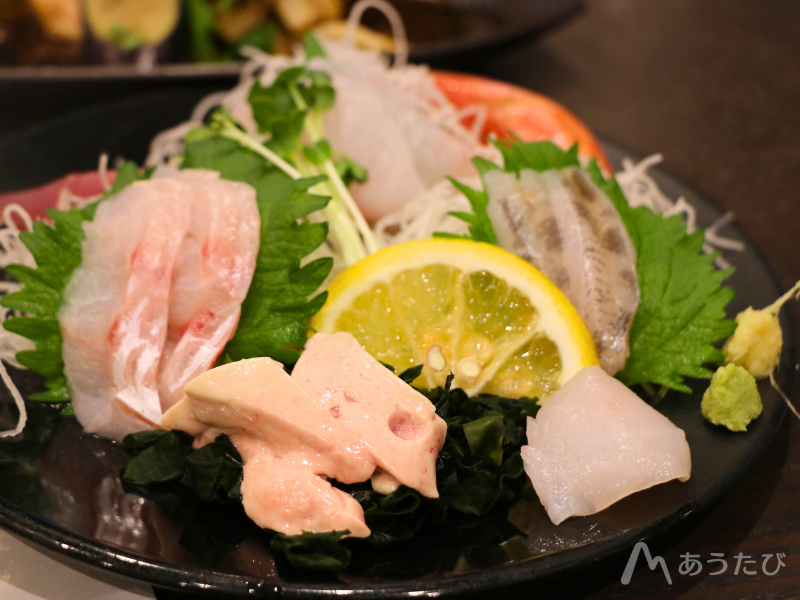
Because the fish is exceptionally fresh, guests may also try monkfish sashimi, something rarely available outside fishing regions. Other seasonal fish from the local waters — such as mehikari, a small deep-sea fish popular in the region — may also be served.
Evening Conversation with the Host
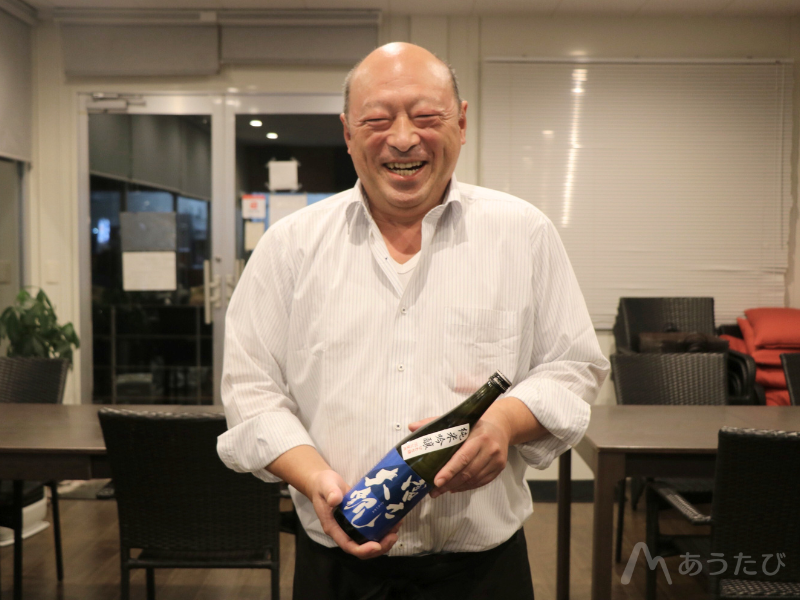
After the kitchen work winds down, Niida often joins guests with a drink. Over sake, he shares stories about rebuilding the minshuku after the 2011 disaster, the challenges of running a small seaside business, and the traditions of Hirakata’s fishing community.

As the evening progresses, the conversation becomes relaxed and personal. Guests frequently find themselves inspired by his warmth, perseverance, and deep connection to the town where he was born.
Schedule
| Time | Activity | Meals |
|---|---|---|
| 14:30 | Arrival at Shiosai-yado Akatsukien Guests meet at the seaside minshuku Shiosai-yado Akatsukien. For guests arriving by train, a pickup service is available from Ōtsuko Station. Upon arrival: Welcome from the minshuku owner, Mr. Yasumasa Niida Guest self-introductions Brief explanation of the experience | |
| 15:00 | Monkfish Hanging Filleting Experience (Approx. 60 minutes) Guests will experience the dramatic tsurushi-giri, the traditional hanging method used to prepare monkfish. During the demonstration: The chef begins by cutting near the fish’s distinctive pectoral fins The head is carefully scored with a circular cut The skin is peeled downward from top to bottom The fish is then separated step by step into its individual edible parts | |
| 18:00 | Monkfish Dinner Guests enjoy a special monkfish tasting course featuring a variety of seasonal dishes. Highlights include: Dobu-jiru monkfish hot pot Monkfish steak Simmered monkfish cheek with sweet soy glaze Monkfish sashimi Monkfish liver sashimi (ankimo) The meal also includes an exclusive seasonal dish prepared especially for Autabi guests. Sample Menu ⚪︎Aperitif ⚪︎Appetizers ・Fried monkfish ・Monkfish with vinegar sauce ・Monkfish with miso ⚪︎Pickled vegetables ⚪︎Small dish of monkfish liver ⚪︎Sashimi platter (monkfish and local fish) ⚪︎Simmered monkfish ⚪︎Monkfish steak ⚪︎Dobu-jiru hot pot ⚪︎Dessert Evening with the Host During dinner, Niida may stop by your table with drinks. Guests are invited to relax, enjoy local sake, and hear stories about life in Hirakata and the rebuilding of the minshuku after the 2011 earthquake. | Dinner |
| 21:00 | After Dinner After the meal, guests can relax in the minshuku’s natural hot spring bath and enjoy a restful evening. |
Times are approximate. The program may be adjusted depending on the weather and the progress of the activity.
【Tour Details】
| Availability | November – April |
|---|---|
| Price(per guest) | 4 guests: ¥25,000 3 guests: ¥27,000 2 guests: ¥29,000 |
| Included | One-night accommodation Dinner and breakfast Experience fee Travel insurance |
| Location | Shiosai-yado Akatsukien 1519-23 Hirakatacho, Kitaibaraki City, Ibaraki 319-1708(Google Maps) |
| Access | ・20 minutes by car from Kitaibaraki IC ・Pickup service available from Ōtsuko Station |
| Minimum participants | ・Minimum: 2 guests ・Maximum: 4 guests |
| Clothing | Please wear warm, comfortable clothing suitable for outdoor activities. |
| What to bring | No special items required. |
| Cancellation policy | ・20 days before the experience: 20% of the total fee ・10 days before the experience: 50% of the total fee ・Same-day cancellation or no-show: 100% of the total fee |
| Booking deadline | Reservations must be made at least 7 days in advance. |
| Payment Methods | Credit card (Visa, Mastercard) Detailed payment instructions will be sent by email after booking. |
| Additional Notes | The hanging filleting demonstration takes place outdoors. The program may be adjusted depending on the weather. |