How One Question Led Chiho Takagi to Brew Tsumari Beer
Chiho Takagi never set out to become a brewer. She was born in Tokamachi, a city in Niigata Prefecture known for its deep winter snow, but spent much of her childhood and adult life elsewhere. She later worked in Tokyo, returned to Tokamachi, joined a rural community program, opened a restaurant, and eventually began brewing craft beer. None of it had been part of a long-term plan.
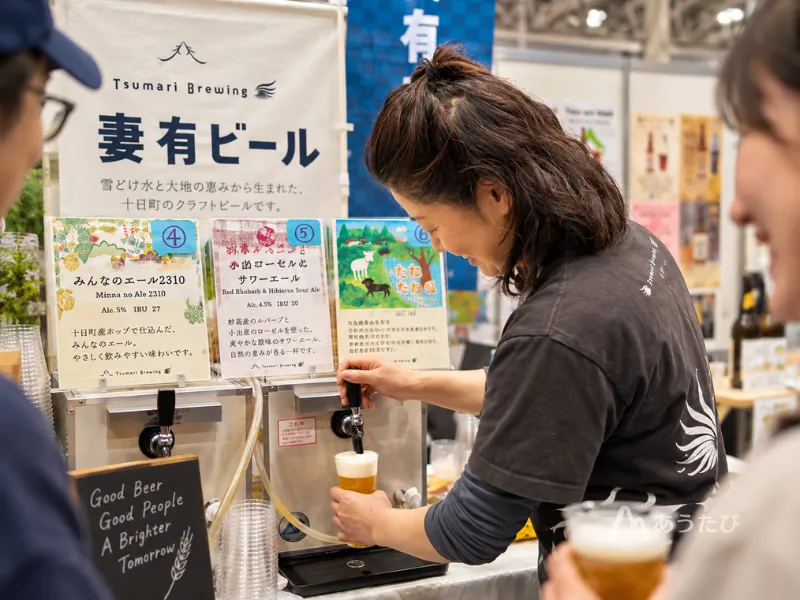
What eventually became Tsumari Beer began with a conversation at her restaurant and a simple question from a customer: “Isn’t there a beer from Tokamachi?” That question stayed with her, and eventually, she decided to find an answer.
Tokyo Felt Like Another World
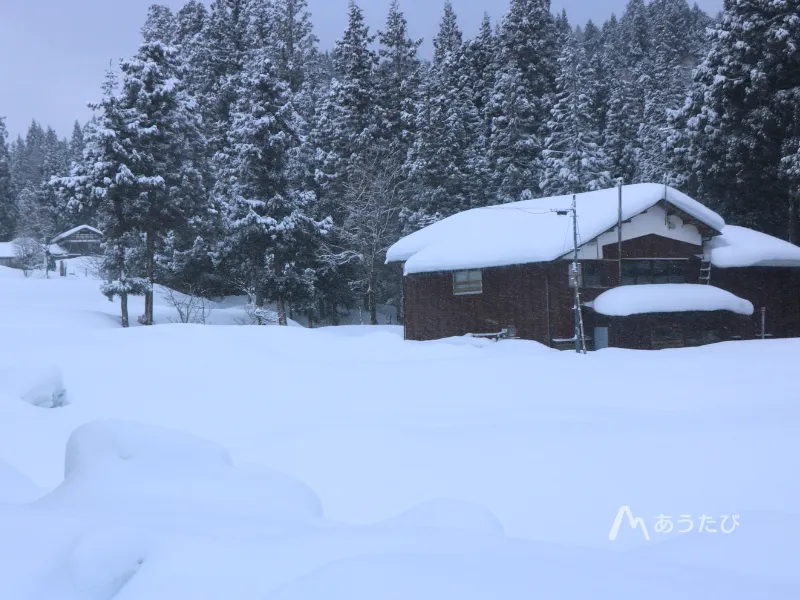
Takagi was born in Tokamachi, but because of her father’s work, her family moved several times while she was growing up, including to other parts of Niigata, Hyogo, and eventually Tokyo. Her relatives still lived in Tokamachi, and she returned from time to time.
As a child, the contrast between Tokyo and Tokamachi felt enormous. In Tokamachi, rice and vegetables could come directly from relatives or neighbors. Food did not always feel like something that had to be bought at a store. For a child growing up in the city, that everyday reality felt like another world. At the time, however, she had no particular intention of returning permanently. Tokyo was where she studied, worked, and built her adult life.
Coming Back Was Never the Plan
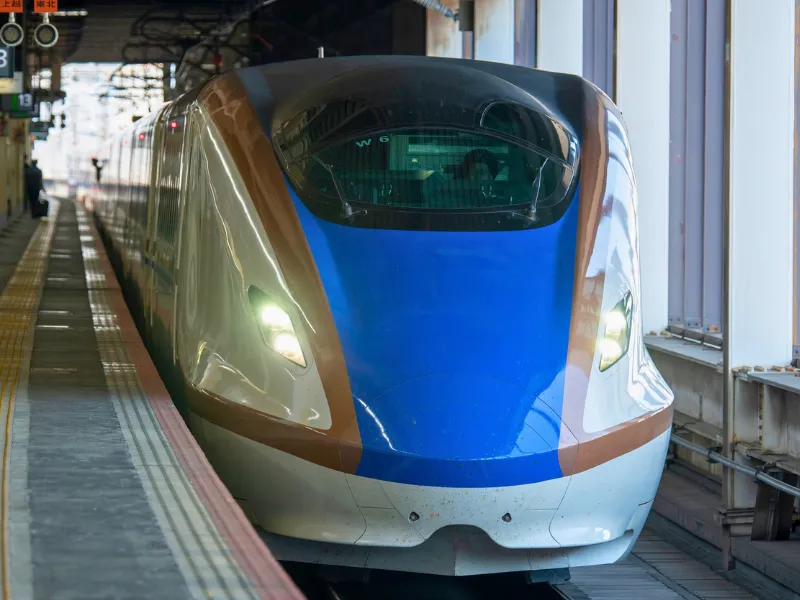
The turning point came after the Great East Japan Earthquake in 2011. Takagi was working in Tokyo at the time. She did not dislike her work. In fact, she enjoyed being involved in different industries and meeting people through her job. But the earthquake made her think more seriously about where and how she wanted to live.
Tokamachi gradually came back into the picture. She had family connections there, she knew the place, and through conversations with her father, the possibility of returning became more real. Eventually, Takagi joined Tokamachi as a member of Japan’s Community-Reactivating Cooperator Squad, a national program that brings people into rural communities to work on local projects.
Returning home was not the fulfillment of a childhood dream. It was simply the next choice that made sense at that moment. And once she returned, one connection began to lead to another.
Starting Something of Her Own
During her time in the community program, Takagi worked with local farmers, including helping collect and sell agricultural products. She began to see more clearly how much food, farming, and everyday life were connected in the region. At the same time, she had always enjoyed cooking. While living in Tokyo, she often tried to recreate dishes she had eaten at restaurants and serve them to friends at home.
So when she began thinking about what to do after the community program ended, opening a restaurant started to feel possible. A former boss in Tokyo also played an unexpected role. After Takagi left the company, he occasionally contacted her to ask what she was doing. When she told him that she wanted to run a restaurant, he asked whether she had written a business plan. She had not. His response was simple: write one before the next time they met.
So she did. With support from the local chamber of commerce and others around her, Takagi gradually turned the idea into a real business.
“Isn’t There a Beer from Tokamachi?”
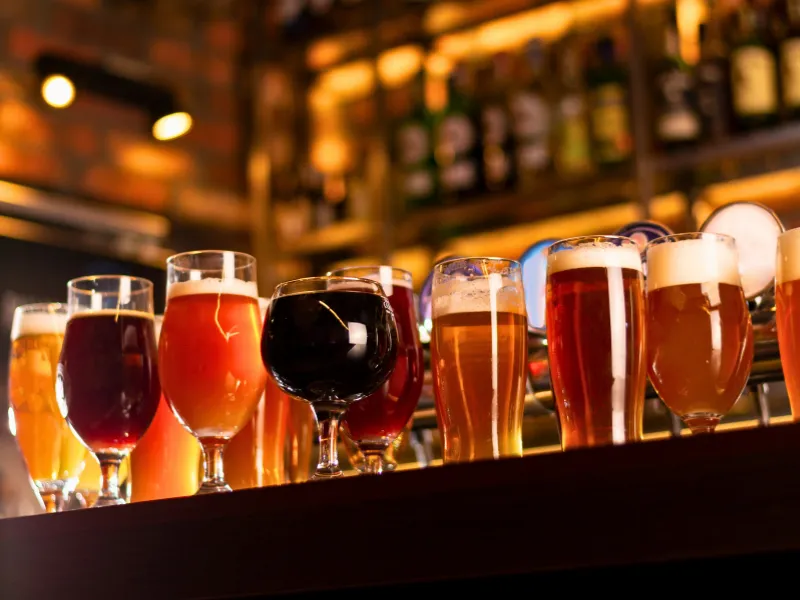
At her restaurant, Takagi served craft beer from breweries around Japan, and customers enjoyed trying beers from different regions. But one day, someone asked a question that changed the direction of her life.
“If I’ve come all the way to Niigata, why am I drinking beer from Osaka?” Then came another question: “Isn’t there a beer from Tokamachi?”
There was not. At first, Takagi did not think that meant she should make one herself. Starting a brewery required equipment, money, knowledge, and experience. It seemed far beyond what she could realistically do. Still, the question stayed with her.
She began visiting breweries she already knew through her restaurant business. She used her days off to learn how beer was made, what kind of equipment was needed, and how other small breweries had started. Little by little, something that had seemed impossible began to look more concrete. “There are ways to do this,” she realized.
Starting With What Was Possible
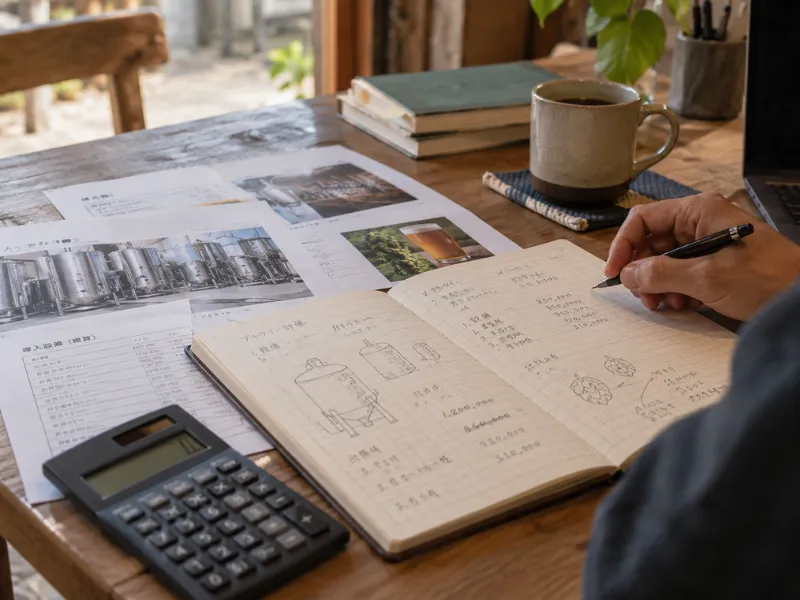
Starting a brewery still meant taking a large financial risk. Takagi spoke again with her former boss and told him what she was considering. He did not tell her it would be easy. Instead, he helped her think through the risks. If she understood them, knew what she was taking on, and still wanted to proceed, then perhaps she should begin with what she could do.
That advice helped move her forward. With support from people around her, including the local chamber of commerce, Takagi established her company in 2017. In January 2018, she brewed her first beer.
Tsumari Beer had begun. Not because Takagi had always dreamed of becoming a brewer, but because a customer asked a question, she became curious, and she kept following that question until it became something real.
“About 80 Percent of Brewing Is Cleaning”
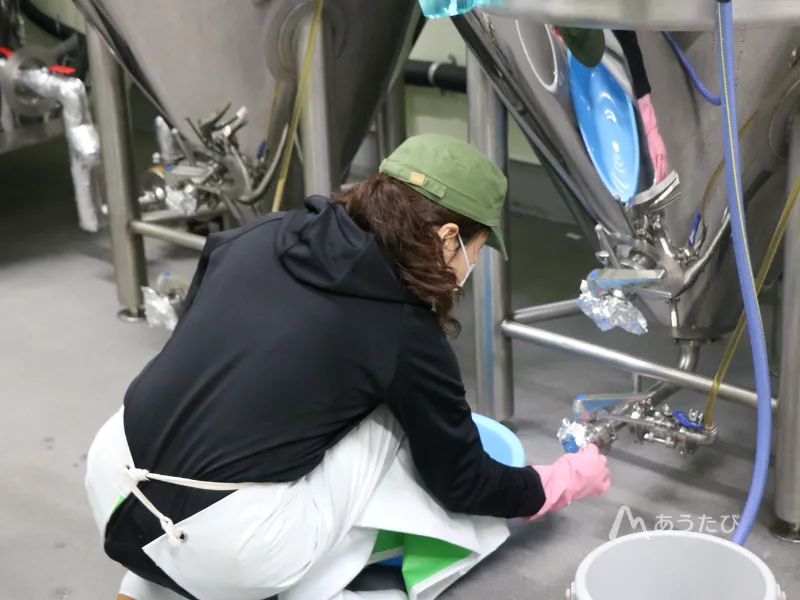
Craft beer can look like a cheerful business from the outside. There are events, conversations, full glasses, and plenty of opportunities to raise a toast. Takagi laughs at that image. “About 80 percent of the work is cleaning.”
Tanks must be washed. Equipment must be cleaned. Brewing involves long hours on your feet, repetitive work, and constant attention to hygiene. The enjoyable part of drinking beer lasts only a moment compared with the work required to make it.
And yet Takagi does not separate beer very neatly into “work” and “private life.” When she travels, she looks for local craft beer. When she encounters an unfamiliar ingredient or brewing idea, she becomes curious. For her, the things she likes and the work she does have gradually become intertwined. That is one reason she enjoys it. And when she meets customers at an event and watches them drink the beer she made, those long hours of cleaning suddenly feel connected to something much larger.
Competitors, and Also Collaborators
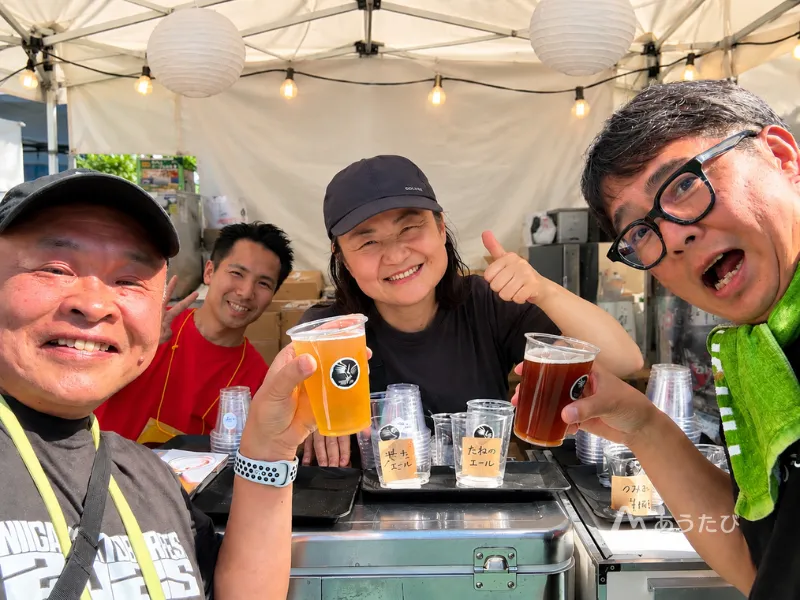
Another reason Takagi enjoys the craft beer world is the relationship between brewers. They may be competitors in the marketplace, but they also share information. When someone tries a new ingredient, encounters a problem, or discovers a better method, brewers often exchange ideas and experiences.
“What did you do in this situation?” “This worked well for us.” Those kinds of conversations happen regularly. The breweries still compete as businesses, but good beer also depends on accumulated knowledge, and that knowledge is often shared.
“They’re rivals, but they’re also collaborators,” Takagi says. She herself benefited from the advice and experience of brewers who came before her. Now she wants to pass on what she has learned when someone else asks. It is another example of how her work has grown through relationships rather than in isolation.
When Tsumari Beer Becomes Part of Tokamachi
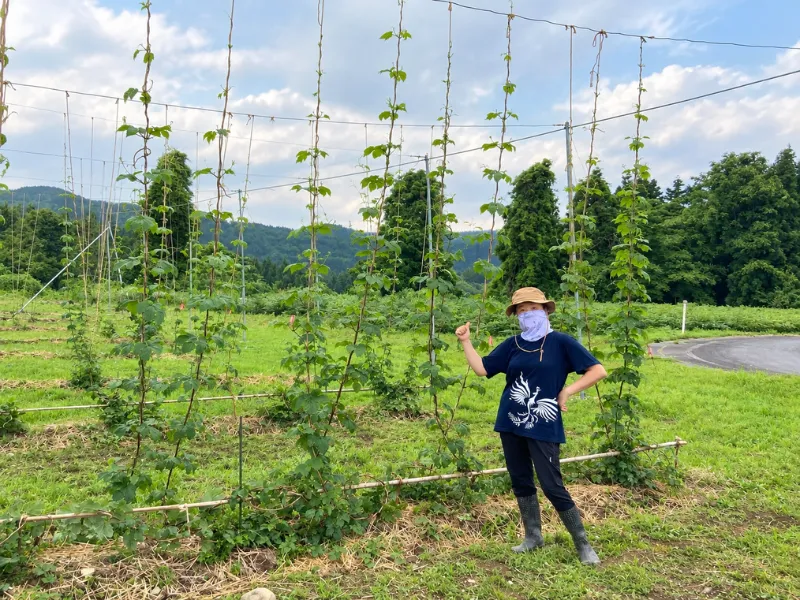
Starting the brewery was not the end of the story. A few years later, the COVID-19 pandemic brought another major challenge. Restaurants and hotels, important customers for draft beer, suddenly became difficult places to sell to. Beer, meanwhile, does not stop being beer simply because demand disappears. Once it is in the tank, the brewing process continues.
Takagi had to adapt quickly. She purchased bottling equipment that she had not previously been able to introduce and shifted more of the business toward bottles for home consumption and online sales. The experience changed the business again.
Even now, Takagi says that, in her mind, the pandemic does not feel entirely over. But the direction she wants Tsumari Beer to take has become clearer. She hopes it will become something like a jizake of Tokamachi. In Japanese, jizake usually refers to sake closely associated with a particular region. Takagi uses the idea more broadly.
She does not want Tsumari Beer to be something people drink only because they are visiting Tokamachi. She wants local people to drink it too. For someone visiting from outside the region, perhaps the most meaningful introduction would be hearing a Tokamachi resident say, “Tsumari Beer? Yes, it’s good,” and then sharing one together.
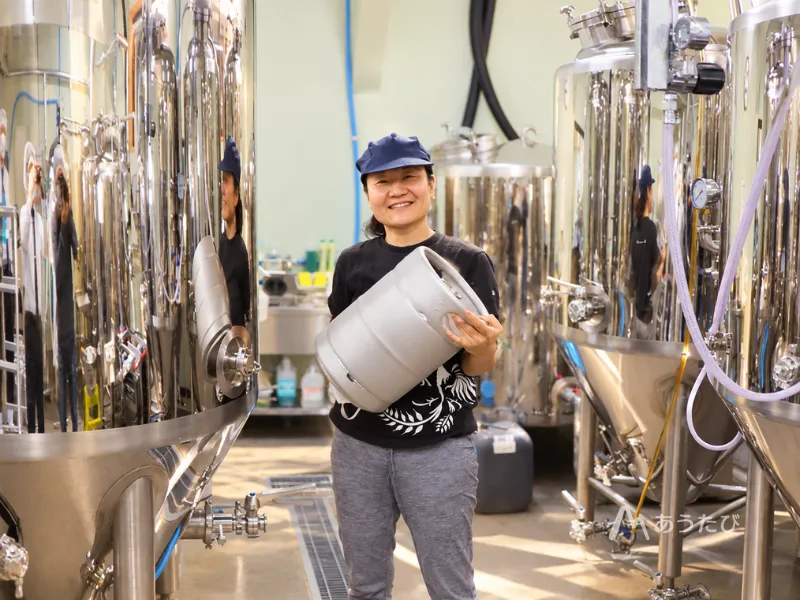
That kind of everyday acceptance matters to her. Tsumari Beer began with a customer asking, “Isn’t there a beer from Tokamachi?” Today, the answer is being brewed in Tokamachi itself. And behind every glass is the story of a woman who returned without a grand plan, listened carefully to the people around her, and kept following one conversation into the next.
Meet the Person Behind the Story
Spend time with Chiho Takagi in Tokamachi, hear the story behind Tsumari Beer, and see how one simple question grew into a brewery rooted in the local community.
→ View the Journey